Exploring Stamping Machines: Facts, Details, and Key Information to Understand Better
Stamping machines are industrial devices used to shape, cut, or form metal sheets into specific designs using pressure and specialized tools. These machines have been part of manufacturing processes for many decades and are widely used in industries such as automotive, electronics, packaging, and household appliance production. By pressing metal between a die and a punch, stamping machines create consistent shapes and patterns that would be difficult to produce manually.
The development of stamping machines began alongside the growth of modern manufacturing during the industrial era. As factories needed faster ways to produce large quantities of metal parts, mechanical and hydraulic presses became widely adopted. Over time, improvements in automation and precision allowed stamping machines to perform complex tasks with high accuracy.
Today, exploring stamping machines helps people understand how many everyday products are created. Items such as kitchen utensils, electrical connectors, metal brackets, and automobile panels are commonly produced through stamping processes. Understanding the facts and details about stamping machines also reveals how manufacturing technology has evolved to meet the demands of modern production systems.
For readers who want to understand industrial manufacturing processes, stamping machines provide a clear example of how mechanical force and engineering design work together to transform raw materials into useful components.
Importance
Stamping machines play an important role in modern manufacturing because they enable the efficient production of metal parts that appear in many daily-use products. Their ability to repeatedly create identical shapes helps manufacturers maintain consistency and accuracy in large production runs.
Several factors explain why stamping machines remain widely used in industrial environments.
• Efficiency in production – stamping machines can shape metal parts quickly, which supports large-scale manufacturing processes.
• Consistency of parts – the use of dies and punches allows each produced component to maintain the same dimensions and structure.
• Material utilization – modern stamping methods aim to reduce excess metal waste during production.
• Versatility of applications – stamping machines can work with various metals including steel, aluminum, copper, and brass.
Another reason stamping machines matter today is their role in industries that affect everyday life. The automotive sector, for example, uses stamping machines to create body panels, structural parts, and brackets. Electronics manufacturing uses stamping processes for connectors and shielding components.
Understanding the key information about stamping machines also helps readers appreciate the complexity behind manufactured products. While the final items may appear simple, the processes used to create them often involve precise engineering and specialized equipment.
Recent Updates
Manufacturing technologies related to stamping machines continue to evolve. Between 2024 and 2026, several general trends have shaped how stamping equipment is designed and used.
One noticeable development is the growing integration of automation and digital monitoring systems. Sensors and machine monitoring platforms help track performance indicators such as pressure levels, cycle times, and maintenance needs. This information helps operators maintain stable production processes and identify potential issues early.
Another trend involves improvements in energy efficiency. Some modern stamping machines incorporate servo-driven systems that allow more precise control over motion and force. These systems may help reduce unnecessary energy use during operation.
Manufacturers are also exploring advanced materials and tooling techniques. Stronger die materials and improved coatings help extend tool life and maintain accuracy over long production cycles. These changes contribute to smoother production and fewer interruptions.
Additionally, the broader manufacturing industry is adopting data-driven decision making. Production facilities increasingly rely on digital platforms that collect operational data from stamping machines. This data helps engineers analyze performance trends and improve process planning.
Although stamping machines have been used for many years, ongoing technological updates continue to refine their reliability, efficiency, and adaptability within modern production environments.
Laws or Policies
Industrial machinery, including stamping machines, is subject to various safety standards and regulations. These rules help ensure that equipment operates safely and that workers are protected from potential hazards.
Different countries establish their own workplace safety frameworks. In many manufacturing environments, safety requirements focus on machine guarding, emergency stop systems, and operator training.
Common regulatory considerations include:
• Machine guarding requirements – protective barriers or enclosures help prevent accidental contact with moving parts.
• Emergency shutdown mechanisms – stamping machines must include systems that allow rapid stopping in case of unexpected situations.
• Workplace safety guidelines – organizations often follow national occupational safety regulations when operating heavy machinery.
• Equipment inspection standards – regular inspections help confirm that machinery remains in proper operating condition.
In India, manufacturing facilities generally follow workplace safety frameworks guided by regulations such as the Factories Act and occupational safety standards that emphasize worker protection and safe machine operation.
Regulatory guidelines do not focus only on worker safety. Some policies also address environmental considerations, including noise levels and waste management practices within industrial facilities.
Understanding these regulations helps explain how stamping machines are used responsibly within structured manufacturing systems.
Tools and Resources
Various tools and digital platforms help engineers and manufacturing teams work more effectively with stamping machines. These resources assist with process planning, equipment monitoring, and production analysis.
Common categories of helpful tools include:
• Computer-Aided Design (CAD) software – used to design stamping dies and metal components before production begins.
• Computer-Aided Manufacturing (CAM) systems – assist with planning how parts will be produced using specific machines.
• Simulation software – allows engineers to test stamping processes digitally to identify potential issues before actual production.
• Machine monitoring platforms – collect operational data such as cycle times, pressure levels, and maintenance indicators.
• Maintenance scheduling tools – help track inspection routines and equipment performance over time.
The following table summarizes several types of stamping machines and their typical applications.
| Stamping Machine Type | Operating Method | Common Applications |
|---|---|---|
| Mechanical press | Uses a flywheel and crank mechanism to generate force | Automotive panels, appliance components |
| Hydraulic press | Uses hydraulic pressure to apply controlled force | Deep drawing processes, thicker metals |
| Servo press | Uses servo motors for precise motion control | High-precision electronic components |
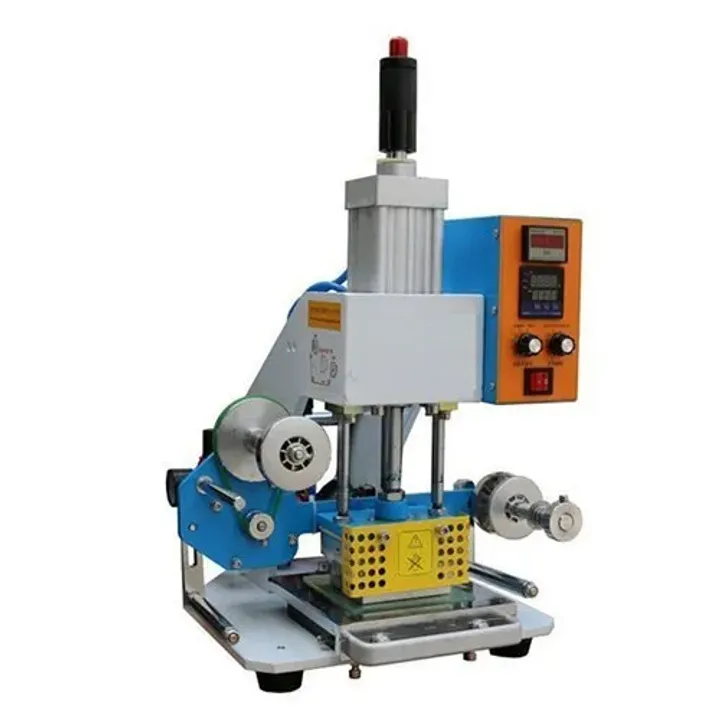
| Pneumatic press | Uses compressed air to create pressing force | Light metal parts and small components |
Educational websites, manufacturing journals, and engineering publications also provide detailed explanations of stamping processes. These resources help readers explore the subject further and understand how stamping machines operate within broader production systems.
FAQs
What is a stamping machine and how does it work?
A stamping machine is a device that shapes or cuts metal sheets by applying pressure using a punch and die. The metal sheet is placed between these tools, and the machine presses it into a specific form or pattern.
What industries commonly use stamping machines?
Stamping machines are widely used in industries such as automotive manufacturing, electronics production, packaging equipment manufacturing, and household appliance manufacturing.
What are the main types of stamping machines?
Common types include mechanical presses, hydraulic presses, servo-driven presses, and pneumatic presses. Each type uses a different method to generate force and control the stamping process.
Why are stamping machines important in manufacturing?
Stamping machines allow manufacturers to produce large quantities of metal parts with consistent shapes and dimensions. This consistency supports efficient production and standardized components.
What materials can stamping machines process?
Stamping machines commonly work with metals such as steel, aluminum, copper, and brass. The choice of material depends on the intended application and required mechanical properties.
Conclusion
Stamping machines are fundamental tools in modern manufacturing, enabling the precise shaping and cutting of metal components used in many everyday products. Their long history reflects the evolution of industrial production methods and mechanical engineering techniques.
Exploring stamping machines reveals how automation, digital monitoring, and improved tooling continue to influence manufacturing practices. Regulations and safety guidelines also play a role in ensuring responsible operation of industrial machinery.
Understanding the facts and details about stamping machines provides insight into how industrial processes transform raw materials into functional components that support many sectors of modern life.