Eye Clinic Examination Furniture: Complete Guide to Layout, Design, and Essentials
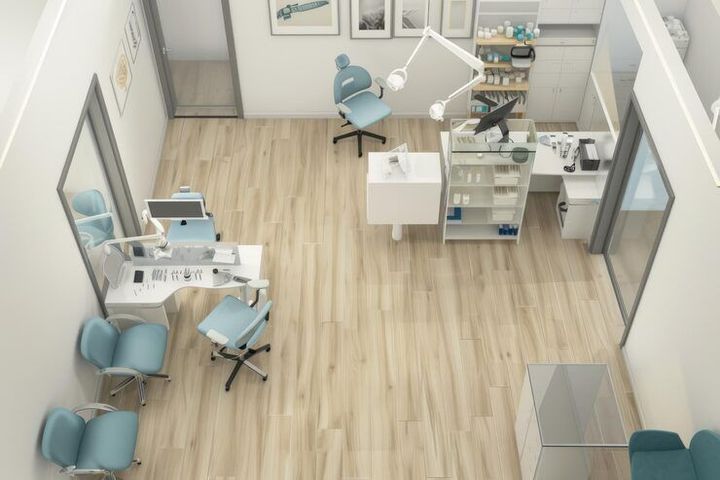
Eye clinic examination furniture includes the specialized chairs, tables, cabinets, and diagnostic equipment stations used in ophthalmology and optometry clinics. These pieces are designed to support both the patient and the medical professional during vision assessments, eye examinations, and minor procedures. From adjustable examination chairs to compact instrument tables, the furniture ensures accurate diagnosis while maintaining comfort and safety.
In a clinical environment, the right furniture reduces fatigue for practitioners and improves patient experience. It is designed to meet ergonomic standards, support various eye examination instruments, and maintain hygiene through easy-to-clean surfaces.
Well-planned examination furniture also enhances workflow efficiency. It ensures that both patients and practitioners can interact comfortably during procedures.
Why Eye Clinic Examination Furniture Matters
Proper examination furniture is essential for delivering effective and comfortable eye care. It directly impacts patient satisfaction, practitioner performance, and overall clinic efficiency.
Key Benefits
- Patient Comfort and Accessibility: Adjustable chairs and tables support patients of all ages and abilities.
- Practitioner Efficiency: Ergonomic designs reduce strain during long examination hours.
- Accuracy and Precision: Proper positioning supports tools like slit lamps, phoropters, and visual charts.
- Safety and Hygiene: Quality materials help maintain cleanliness and reduce infection risks.
- Space Optimization: Compact and modular designs maximize limited clinic space.
These factors collectively improve service quality and operational effectiveness in modern eye clinics.
Recent Updates in Eye Clinic Furniture
Recent developments (2025–2026) show a strong focus on ergonomics, technology integration, and sustainability. Clinics are adopting smarter designs to improve both care delivery and efficiency.
Key Trends
- Ergonomic Innovation: Enhanced adjustability for height and angles to suit different patients and reduce staff fatigue.
- Compact and Modular Designs: Multi-functional units combine equipment to save space and cost.
- Advanced Materials: Use of antimicrobial coatings and easy-to-clean surfaces for better infection control.
- Digital Integration: Built-in support for tablets, EMR systems, and digital diagnostic tools.
- Sustainable Manufacturing: Increased use of eco-friendly materials like recycled metals and non-toxic plastics.
These updates reflect evolving healthcare standards and patient expectations.
Regulations and Policies Affecting Eye Clinic Furniture
Eye clinic furniture must comply with healthcare regulations to ensure safety, accessibility, and proper usage. These standards vary by region but share common principles.
Key Regulations
- Medical Device Standards: Equipment supporting diagnostic tools may fall under medical device regulations.
- Ergonomic Policies: Workplace safety rules aim to reduce strain and prevent injuries for staff.
- Accessibility Laws: Furniture must accommodate wheelchair users and individuals with limited mobility.
- Infection Control Guidelines: Standards ensure proper materials and cleaning protocols to prevent contamination.
Following these regulations ensures both legal compliance and patient safety.
Tools and Resources for Planning Eye Clinic Furniture
Modern tools help clinics design efficient layouts and select appropriate furniture. These resources improve planning accuracy and operational outcomes.
Useful Tools
- Clinic Layout Software: Tools like SmartDraw and SketchUp help visualize space and workflow.
- Ergonomic Assessment Apps: Applications such as ErgoVision support proper alignment and comfort.
- Industry Guidelines: Organizations like the American Academy of Ophthalmology (AAO) provide setup recommendations.
- Online Catalogs: Manufacturers offer detailed specifications for better decision-making.
- Regulatory Portals: Websites provide updated compliance guidelines on safety and accessibility.
Using these tools ensures better planning and adherence to standards.
Key Considerations for Choosing Eye Clinic Examination Furniture
Selecting the right furniture requires evaluating multiple practical and clinical factors. These considerations ensure long-term usability and efficiency.
Sample Table: Key Selection Factors
| Factor | Considerations |
|---|---|
| Ergonomics | Adjustable height, back support, armrests, and mobility for staff |
| Patient Comfort | Adequate padding, reclining features, easy entry and exit |
| Instrument Compatibility | Space and mounts for slit lamps, phoropters, and tonometers |
| Hygiene & Safety | Non-porous surfaces, antimicrobial finishes, easy cleaning |
| Space Utilization | Modular units, compact layouts, flexible configurations |
| Durability | Resistance to wear, scratches, and chemical cleaning agents |
Incorporating these factors helps create a functional and patient-friendly clinic environment.
Frequently Asked Questions
What types of chairs are best for eye examinations?
Adjustable chairs with height control and reclining features are ideal. They allow proper positioning for different procedures and improve patient comfort.
How should exam tables be arranged for efficiency?
Tables should be placed near essential diagnostic equipment with enough space for movement. Modular setups can reduce clutter and improve workflow.
What materials are preferred for clinic furniture?
Durable and easy-to-clean materials such as stainless steel, antimicrobial plastics, and coated wood are commonly used. These materials support hygiene and longevity.
Are there standards for wheelchair accessibility?
Yes, furniture should include adjustable heights and adequate clearance space. This ensures compliance with accessibility regulations and improves patient inclusivity.
Can furniture be customized for digital equipment integration?
Modern examination units often include mounts and compartments for digital tools. This allows seamless integration without affecting ergonomics.
Conclusion
Eye clinic examination furniture plays a crucial role in ensuring efficient and high-quality eye care. It supports accurate diagnostics while maintaining comfort for both patients and practitioners.
With advancements in ergonomics, materials, and digital integration, clinics can create safer and more effective environments. By following regulations and using proper planning tools, healthcare facilities can enhance workflow, reduce risks, and improve overall patient satisfaction.