Factory Solutions Guide: Explore Automation, Equipment, Processes, Technology, and Planning Factors
Factory solutions refer to the equipment, systems, technologies, processes, and planning methods used to organize and improve manufacturing operations. A factory may combine mechanical equipment, automation systems, software, material-handling equipment, quality-control tools, energy systems, and workplace procedures to transform raw materials into finished products.
The development of factory solutions is closely connected with the history of industrial manufacturing. Early factories depended heavily on manual labor and basic mechanical equipment. Over time, electrical machinery, production lines, programmable controls, industrial computers, robotics, and connected digital systems changed how manufacturing activities were organized.
Today, a factory can contain many interconnected systems. Production equipment may communicate with monitoring software, warehouse systems can track materials, and sensors can collect information about machines and processes. The exact combination depends on the type of manufacturing, production volume, materials, workforce, facility layout, and regulatory requirements.
Main Areas of Factory Solutions
Factory solutions can generally be grouped into several areas:
- Production equipment for processing, forming, cutting, joining, assembling, or finishing materials.
- Automation systems for controlling repetitive or precise operations.
- Material-handling equipment for moving components and products.
- Industrial software for monitoring production, inventory, maintenance, and quality.
- Safety systems for protecting workers and controlling workplace hazards.
- Utility systems for electricity, compressed air, water, ventilation, heating, and cooling.
- Quality systems for inspection, measurement, testing, and process control.
These areas often work together rather than operating independently.
Importance
Modern manufacturing involves many interconnected activities, and disruptions in one area can affect several others. A machine problem can interrupt production, inadequate material handling can create delays, and inconsistent process conditions can affect product quality.
Factory solutions matter because they provide structured ways to manage these challenges. Automation can handle repetitive operations, monitoring systems can provide production information, and planned maintenance can help identify equipment conditions before they develop into larger operational problems.
Who Uses Factory Solutions?
Factory solutions are relevant to many manufacturing environments, including:
- Automotive manufacturing
- Food and beverage production
- Electronics manufacturing
- Pharmaceutical and chemical processing
- Metal fabrication
- Plastics manufacturing
- Textile production
- Packaging
- Consumer-product manufacturing
- Heavy equipment production
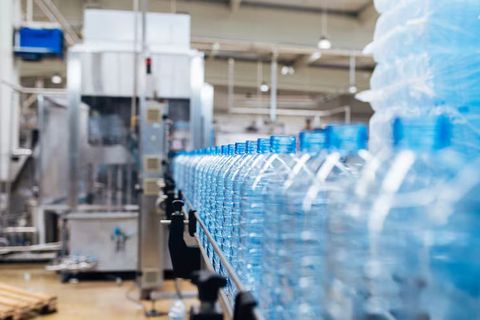
The technologies used in each environment can be very different. A food-processing facility may place greater emphasis on sanitation and temperature monitoring, while a metalworking plant may require machining equipment, extraction systems, and material-handling machinery.
Operational Problems Addressed
Factories commonly need to manage production scheduling, equipment availability, material movement, product quality, energy consumption, workplace safety, and maintenance.
A coordinated factory approach can connect these activities. For example, production planning can be linked with inventory information so that material requirements are visible before a production run begins. Machine-monitoring systems can also provide operating information that supports maintenance planning.
Recent Updates
From 2024 through 2026, manufacturing technology has continued moving toward connected equipment, industrial data platforms, robotics, artificial intelligence, and more flexible automation. Instead of treating individual machines as isolated units, many manufacturers are connecting equipment to broader production-monitoring and information systems.
Industrial Internet of Things technologies are increasingly used to collect information from machines, sensors, meters, and production systems. This data can be analyzed to identify operating patterns, monitor equipment conditions, and support production decisions.
Artificial Intelligence in Manufacturing
Artificial intelligence is becoming more visible in areas such as visual inspection, predictive analysis, production planning, anomaly detection, and process optimization. AI systems can analyze large quantities of operational data and identify patterns that may be difficult to detect through manual observation.
However, AI does not automatically replace conventional control systems. Critical production functions still depend on appropriate engineering, validated controls, human oversight, and established safety procedures.
Robotics and Flexible Automation
Industrial robots are being used for tasks such as assembly, welding, material handling, painting, packaging, and machine tending. Collaborative robots, commonly called cobots, are another area of development, particularly where humans and automated equipment operate within related work areas.
Flexible automation is also becoming relevant as manufacturers handle greater product variety. Programmable equipment can allow production processes to change between different products without requiring complete replacement of the production system.
Digital Manufacturing Systems
Manufacturing execution systems, enterprise resource planning platforms, industrial control systems, and data platforms can connect different parts of factory operations. These systems can provide information about production status, materials, equipment, quality, and other operational conditions.
Digital twins are another developing area. A digital twin can represent a physical asset, process, or facility using digital information and models. Depending on the implementation, it may be used for simulation, monitoring, analysis, or planning.
Laws or Policies
Factory operations in India are influenced by occupational safety, environmental, energy, electrical, fire, and industrial regulations. The applicable requirements depend on the type of facility, processes performed, materials handled, location, and workforce.
The Occupational Safety, Health and Working Conditions Code, 2020 provides a national framework concerning occupational safety and working conditions. Relevant provisions address areas such as employer responsibilities, workplace safety, welfare facilities, working conditions, and occupational health. Implementation and applicable rules should be checked against current central and state requirements.
Environmental requirements can also affect factories. Facilities that generate air emissions, wastewater, hazardous waste, or other regulated outputs may need to comply with applicable environmental legislation and permissions. The Central Pollution Control Board provides information and regulatory resources relating to pollution control and environmental management in India.
Electrical installations and industrial machinery can also be subject to applicable Indian Standards and safety requirements. The Bureau of Indian Standards maintains standards covering numerous areas of industrial equipment, electrical systems, machinery, safety, testing, and manufacturing.
Factories may additionally need to consider fire-safety requirements, building regulations, hazardous-material rules, and local authority requirements. Because regulatory obligations vary between facilities, the applicable requirements should be determined from the actual manufacturing process and location.
Tools and Resources
Several tools and information resources can help with factory planning and operations.
Manufacturing Planning Tools
Production planning tools can organize production schedules, material requirements, machine capacity, labor requirements, and expected output. Enterprise resource planning systems may connect production planning with inventory, procurement, finance, and other business functions.
Industrial Automation Tools
Programmable logic controllers, human-machine interfaces, supervisory control systems, industrial sensors, variable-frequency drives, and industrial networks form a common group of automation technologies.
A typical automated process may follow this sequence:
- Sensors collect information from the production environment.
- A controller processes the incoming signals.
- Control logic determines the required action.
- Actuators, motors, valves, or other equipment perform the action.
- An HMI or monitoring system displays relevant information.
- Production data may be stored for analysis and reporting.
Maintenance Tools
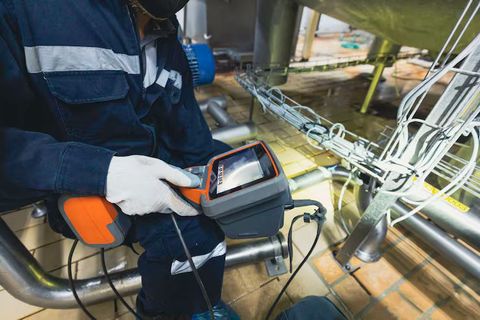
Maintenance-management systems can record equipment information, inspection schedules, maintenance activities, spare parts, and equipment history. Condition-monitoring tools can also measure vibration, temperature, pressure, electrical characteristics, or other operating parameters.
Factory Planning Resources
A factory planning exercise may consider:
| Planning factor | Key consideration |
|---|---|
| Facility layout | Equipment placement and material flow |
| Production process | Sequence of manufacturing operations |
| Equipment | Capacity, specifications, and operating requirements |
| Automation | Appropriate level of machine control |
| Material handling | Movement of raw materials and products |
| Utilities | Electricity, water, air, ventilation, and other needs |
| Quality | Inspection and process-control requirements |
| Safety | Hazards, guarding, emergency systems, and training |
| Maintenance | Inspection, repair, and equipment monitoring |
| Data systems | Production monitoring and information management |
| Environmental controls | Waste, emissions, water, and energy considerations |
| Future changes | Capacity, product, and technology changes |
This type of framework can help identify dependencies before equipment or systems are introduced.
FAQs
What are factory solutions?
Factory solutions are combinations of equipment, automation, software, processes, infrastructure, and planning methods used to organize manufacturing operations. They can cover production, material handling, quality, maintenance, safety, and data management.
What technologies are used in modern factories?
Modern factories may use industrial robots, PLCs, sensors, industrial networks, SCADA systems, manufacturing execution systems, machine-vision equipment, AI-based analytics, automated material-handling systems, and connected production equipment.
How does factory automation work?
Factory automation uses sensors, controllers, software, motors, actuators, and other equipment to perform or control manufacturing activities. The system receives information from the production process and uses programmed logic or other control methods to determine appropriate actions.
What should be considered when planning a factory?
Important planning factors include facility layout, production processes, equipment capacity, material flow, utilities, automation, worker safety, quality control, maintenance, environmental requirements, data systems, and potential future changes.
Why is technology important in factory operations?
Technology can provide greater visibility into production activities, automate repetitive processes, collect operational data, support quality monitoring, and coordinate different manufacturing systems. Its practical value depends on the specific process and how the technology is implemented.
Conclusion
Factory solutions bring together equipment, automation, software, infrastructure, and manufacturing processes to organize production activities. Modern factories increasingly use connected machines, industrial data systems, robotics, and AI-based analysis alongside established manufacturing technologies. Effective factory planning also requires attention to material flow, safety, maintenance, quality, utilities, environmental requirements, and applicable regulations. The appropriate combination of technologies depends on the factory's processes, products, scale, and operational requirements.