Agriculture involves multiple tasks that expose workers to physical hazards such as heavy machinery, chemical handling, livestock interaction, and harsh environmental conditions. Because these activities can pose safety risks, farms rely on protective gear designed to prevent injury and improve workplace safety.
Farm safety gear includes a variety of equipment used across different farming activities. These tools help reduce risks and ensure safer working environments.
Common Types of Farm Safety Equipment
-
Protective helmets and hard hats
-
Safety goggles and face shields
-
Respiratory protection equipment
-
Chemical-resistant gloves
-
Protective boots
-
High-visibility clothing
-
Hearing protection
-
Fall protection systems
In many farming operations, certain protective equipment may only be needed during specific seasons or specialized tasks. Temporary access to equipment helps farms maintain compliance while adapting to workload changes.
Modern agriculture also integrates safety technology with digital management systems. Safety monitoring, training programs, and equipment tracking now form part of broader agricultural risk management strategies.
Why Farm Safety Equipment Matters Today
Farm safety equipment plays a vital role in protecting workers and supporting sustainable agricultural practices. Farming is physically demanding and often involves long hours, heavy machinery, and environmental exposure.
The importance of safety gear has grown alongside changes in agricultural practices and awareness.
Key Reasons for Importance
-
Increased mechanization in agriculture
-
Growing use of pesticides and chemical treatments
-
Rising awareness of workplace safety standards
-
Expansion of commercial farming operations
-
Greater focus on worker health and safety training
Safety equipment helps address several common risks faced by farm workers.
Common Agricultural Risks
Machinery Hazards
Heavy equipment such as tractors and harvesters can cause injuries without proper protection. Helmets, boots, and high-visibility clothing improve worker safety.
Chemical Exposure
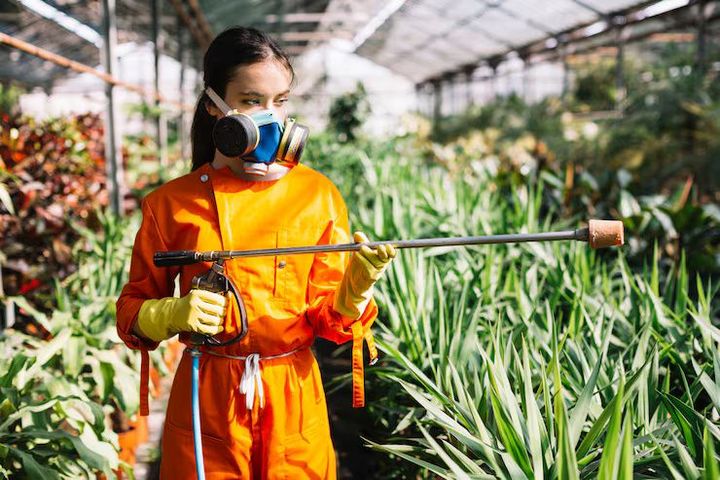
Pesticides and fertilizers can be harmful if inhaled or absorbed through the skin. Protective gloves, respirators, and suits reduce these risks.
Noise Exposure
Machinery generates high noise levels that can lead to hearing loss. Hearing protection helps prevent long-term damage.
Weather and Environmental Risks
Workers often operate in extreme conditions like heat, cold, or dust. Protective clothing and respiratory equipment help maintain safety.
Livestock Interaction
Animals can behave unpredictably, increasing injury risk. Reinforced boots and gloves provide protection.
Farm safety equipment also contributes to productivity and long-term workforce well-being by reducing workplace incidents.
Recent Updates in Agricultural Safety Practices
Agricultural safety practices continue to evolve as farming technologies advance. In 2025, several key trends have emerged that are shaping safety strategies.
One major development is the use of smart wearable safety technology. These devices monitor worker fatigue, temperature, and environmental exposure to prevent accidents.
Digital safety training platforms are also becoming more common. Online modules and simulations help workers learn equipment handling and hazard prevention effectively.
Precision agriculture technologies have improved efficiency but introduced new safety considerations. Automated machinery and robotics require updated protocols.
There is also increased focus on dust exposure monitoring in environments like grain storage. Additionally, ergonomic safety equipment is gaining attention for reducing strain injuries during repetitive tasks.
Safety awareness campaigns, such as National Farm Safety and Health Week 2025, emphasize training and hazard recognition.
Regulations and Agricultural Safety Policies
Farm safety gear is closely linked to occupational health and safety regulations worldwide. These regulations define standards for equipment use and workplace practices.
In the United States, OSHA provides guidance on agricultural safety.
Key OSHA Safety Areas
-
Hazard communication for chemicals
-
Machinery safety practices
-
Respiratory protection standards
-
Personal protective equipment (PPE) usage
The European Union also enforces safety directives covering protective equipment and chemical safety. Many governments support safety through programs and awareness initiatives.
Government Safety Initiatives
-
Safety training workshops
-
Equipment awareness campaigns
-
Farm risk assessment programs
-
Workplace inspections
In India, institutions like ICAR and agricultural extension programs provide safety training and resources. Following these regulations helps reduce risks and improve working conditions.
Helpful Tools and Resources for Farm Safety Management
Various tools support farm safety planning, risk assessment, and equipment management. These resources help farmers maintain safe and efficient operations.
Common Safety Tools
-
Farm risk assessment templates
-
Agricultural safety training platforms
-
Chemical exposure monitoring tools
-
PPE compliance checklists
-
Safety manuals
-
Digital farm management software
Safety Equipment Overview
| Safety Equipment | Primary Purpose | Typical Use Area |
|---|
| Safety Helmets | Head protection | Machinery operation |
| Respirators | Airborne hazard protection | Chemical handling |
| Safety Goggles | Eye protection | Dust environments |
| Protective Gloves | Chemical/mechanical safety | Crop treatment, machinery |
| High-Visibility Clothing | Worker visibility | Field operations |
| Hearing Protection | Noise reduction | Tractor/equipment operation |
Digital tools also play an important role in improving safety awareness.
Digital Resources
-
Agricultural safety training portals
-
Weather monitoring applications
-
Farm hazard identification guides
-
Emergency preparedness templates
Farming Risk and Safety Equipment Table
| Farming Activity | Common Risk Type | Safety Equipment Used |
|---|
| Tractor operation | Mechanical injury | Helmets, boots |
| Chemical spraying | Chemical exposure | Respirators, gloves |
| Livestock handling | Animal-related injuries | Reinforced footwear |
| Grain storage work | Dust inhalation | Respiratory protection |
| Irrigation systems | Slip hazards | Protective footwear |
Educational resources from agricultural institutions further support safe farming practices.
Frequently Asked Questions About Farm Safety Gear
What is farm safety gear?
Farm safety gear refers to protective equipment used to reduce risks in agricultural work. It protects workers from hazards like machinery accidents, chemical exposure, and environmental conditions.
Why is personal protective equipment important in agriculture?
PPE helps prevent injuries and health problems by providing protection against common farming hazards. It is essential for maintaining safe working conditions.
What types of hazards exist in agricultural environments?
Common hazards include heavy machinery, chemicals, extreme weather, dust, livestock interaction, and repetitive tasks.
How can farms improve workplace safety?
Farms can improve safety by:
-
Implementing training programs
-
Maintaining protective equipment
-
Conducting regular risk assessments
-
Following safety regulations
Are there digital tools that support agricultural safety?
Yes, digital tools such as training platforms, monitoring systems, and risk assessment templates help improve farm safety management.
Conclusion
Farm safety gear plays a crucial role in protecting workers and supporting responsible agricultural practices. As farming operations become more complex, the need for effective safety equipment continues to grow.
Protective gear reduces risks related to machinery, chemicals, environmental conditions, and livestock. Advances in wearable technology, digital training, and ergonomic equipment have strengthened modern safety strategies.
Regulations and safety programs further enhance workplace safety by setting clear standards. Understanding and using farm safety gear helps create safer and more sustainable agricultural environments.