Harbor Mobile Crane Insights: Improving Safety and Productivity at Ports
Ports play a central role in global trade by connecting manufacturers, suppliers, and consumers through maritime transportation.
Every day, large volumes of goods move through ports in containers, bulk shipments, and specialized cargo units. To handle these materials efficiently, ports rely on various types of lifting and transportation equipment.
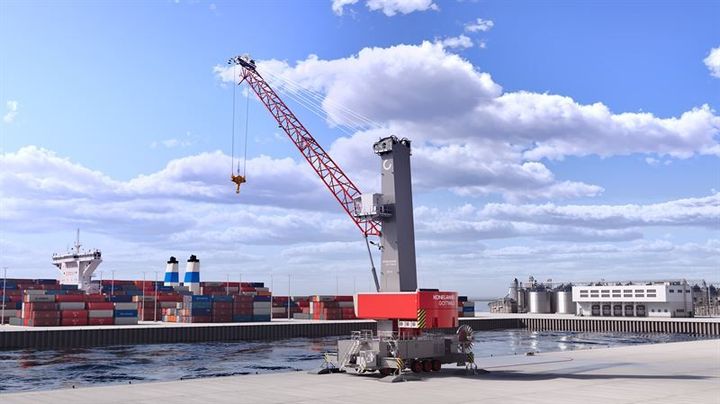
Among the most widely used machines in modern port operations is the harbor mobile crane. Unlike fixed cranes that remain in one location, a mobile harbor crane can move around the port area, allowing operators to handle different types of cargo from multiple positions. This flexibility makes it an important part of port cargo handling equipment across many regions.
As global trade continues to evolve, ports face increasing pressure to improve operational efficiency while maintaining high safety standards. Harbor lifting equipment has therefore become an important element in modern port infrastructure equipment planning. Mobile systems help ports adapt to changing cargo volumes and operational requirements without requiring extensive permanent infrastructure.
Harbor crane manufacturers have developed a variety of crane designs capable of handling containers, bulk materials, project cargo, and heavy industrial components. These machines are commonly found at commercial ports, industrial terminals, and logistics hubs where cargo movement is a daily activity.
Importance
Supporting Efficient Cargo Movement
The movement of cargo through ports affects supply chains around the world. A port mobile crane helps transfer goods between ships, storage areas, trucks, and rail systems. Faster and safer cargo handling contributes to smoother logistics operations and reduces delays.
Container handling cranes are particularly important in ports that process large numbers of shipping containers. These cranes help move cargo quickly while maintaining organized storage and transportation workflows.
Enhancing Workplace Safety
Port environments involve heavy machinery, moving vehicles, and large cargo loads. Modern harbor crane solutions often include technologies designed to improve operational safety.
Examples include:
- Load monitoring systems that help prevent overloading
- Operator assistance technologies that improve visibility
- Stability control mechanisms for safer lifting operations
- Sensor systems that detect operational risks
- Digital monitoring tools that support maintenance planning
These features help reduce operational hazards and support safer working conditions for port personnel.
Handling Diverse Cargo Types
Modern ports handle many forms of cargo, including:
| Cargo Type | Common Equipment Used |
|---|---|
| Containers | Container handling cranes |
| Coal and minerals | Bulk cargo handling cranes |
| Steel products | Heavy lifting crane solutions |
| Construction materials | Harbor lifting equipment |
| Industrial machinery | Heavy duty harbor cranes |
| Agricultural products | Port cargo handling cranes |
The ability to handle multiple cargo categories makes mobile harbor crane systems valuable for ports with diverse operational requirements.
Supporting Port Expansion
Many ports seek ways to increase productivity without extensive reconstruction projects. Mobile equipment provides operational flexibility because it can be repositioned according to changing cargo demands.
As trade volumes fluctuate, ports can adjust equipment deployment to support different terminal areas and cargo categories. This adaptability contributes to more efficient use of available space and resources.
Recent Updates
Increased Digital Integration
A significant trend in recent years has been the integration of digital technologies into port operations. Mobile harbor crane systems increasingly include monitoring software that provides real-time operational information.
These systems can track:
- Equipment performance
- Lifting activity
- Fuel or energy consumption
- Maintenance requirements
- Operational efficiency metrics
Digital reporting helps operators make informed decisions about equipment utilization and maintenance planning.
Growth of Automation Features
While fully automated crane operations remain limited in many locations, semi-automated functions are becoming more common. Harbor crane manufacturers are incorporating technologies that assist operators with load positioning, movement control, and safety monitoring.
These developments help improve consistency during cargo handling activities while supporting operational accuracy.
Focus on Energy Efficiency
Environmental considerations have become increasingly important across the maritime sector. Some harbor crane solutions now incorporate hybrid or electric-powered systems designed to reduce fuel consumption and emissions.
Ports are also evaluating equipment based on energy performance as part of broader sustainability initiatives within the shipping and logistics industries.
Infrastructure Modernization
Many port authorities continue to modernize port infrastructure equipment to accommodate larger vessels and changing cargo patterns. This trend has increased interest in flexible cargo-handling technologies that can adapt to evolving operational needs.
As shipping networks expand, demand for versatile port cargo handling equipment remains an important consideration for infrastructure planning.
Laws or Policies
Port Safety Regulations
Port operations are generally governed by workplace safety regulations that establish requirements for equipment operation, maintenance, and employee training. These rules help reduce risks associated with lifting heavy cargo and operating large machinery.
Operators of heavy duty harbor cranes are typically required to follow established safety procedures and inspection protocols.
Environmental Requirements
Many countries have introduced environmental policies affecting maritime and port activities. These regulations may address topics such as:
- Air emissions
- Noise management
- Energy efficiency
- Waste handling
- Environmental monitoring
As a result, port operators often evaluate harbor lifting equipment based on environmental performance alongside operational requirements.
Equipment Inspection Standards
Crane inspections play an important role in regulatory compliance. Regular assessments help verify that equipment remains suitable for operation and meets applicable technical standards.
Inspection programs often focus on:
- Structural integrity
- Mechanical components
- Safety systems
- Load-handling mechanisms
- Operational controls
International Maritime Guidelines
Ports involved in international trade frequently align their operations with globally recognized maritime and cargo-handling practices. These guidelines help create consistency across international shipping networks and support safe cargo movement between countries.
Tools and Resources
Several tools and resources assist port operators, planners, and researchers in understanding and managing crane operations.
Port Management Software
Port management platforms help coordinate vessel arrivals, cargo movement, equipment scheduling, and terminal operations. These systems provide visibility into daily workflows and resource allocation.
Crane Monitoring Systems
Many modern mobile harbor crane installations include digital monitoring tools that collect operational data. These systems can help track utilization, maintenance schedules, and performance indicators.
Simulation and Training Platforms
Training software allows operators to practice crane operation in virtual environments. Simulation tools can support safety education and operational familiarization before working with actual equipment.
Engineering and Infrastructure Planning Tools
Port development projects often rely on planning software that evaluates cargo volumes, terminal layouts, and equipment requirements. These tools assist in designing efficient port infrastructure equipment strategies.
Industry Publications and Technical Resources
Maritime organizations, port authorities, and engineering institutions regularly publish reports and technical guidance related to cargo handling, infrastructure development, and crane operations. These resources help stakeholders stay informed about industry developments and emerging practices.
FAQs
What is a harbor mobile crane?
A harbor mobile crane is a movable lifting machine used in ports to load, unload, and transfer cargo. Unlike fixed cranes, it can operate in different locations within a port or terminal.
How does a mobile harbor crane improve port productivity?
A mobile harbor crane improves flexibility by allowing operators to handle different cargo types from various positions. This mobility can help reduce operational bottlenecks and improve cargo flow.
What types of cargo can port cargo handling cranes manage?
Port cargo handling cranes can handle containers, bulk materials, industrial machinery, construction equipment, agricultural products, and other specialized cargo depending on their configuration.
What factors influence the selection of harbor crane solutions?
Factors often include cargo type, lifting capacity, terminal layout, vessel size, operational requirements, safety considerations, and infrastructure compatibility.
Why are heavy duty harbor cranes important for modern ports?
Heavy duty harbor cranes support the handling of large and complex cargo loads that may be difficult to move using standard equipment. They play an important role in industrial projects, infrastructure development, and large-scale cargo operations.
Conclusion
Harbor mobile cranes play an important role in modern port operations by supporting efficient cargo movement, workplace safety, and operational flexibility. As ports continue to modernize, digital technologies, automation features, and energy-efficient designs are becoming increasingly common in crane operations. Regulatory requirements and safety standards also influence how these machines are used and maintained. Together, these developments contribute to the ongoing evolution of port cargo handling equipment and port infrastructure systems worldwide.