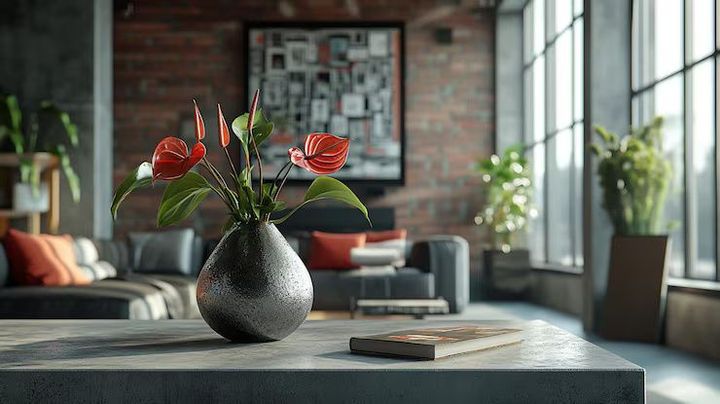
Home Interior Mood Setup Guide for Lighting, Colors and Space Harmony
Home Interior Mood Setup refers to the thoughtful arrangement of lighting, colors, textures, furniture, and decorative elements to influence how a space feels. Interior design is no longer limited to aesthetics; it now integrates mood enhancement, productivity, relaxation, and mental wellness principles. As urban living spaces evolve, homeowners increasingly look for design strategies that create comfort, focus, and emotional balance. This guide explains the fundamentals of home interior mood setup, why it matters today, current trends, regulations that may influence design decisions, practical tools, and frequently asked questions.
Home interior mood setup exists because environments directly affect human emotions and behavior. Research in environmental psychology shows that light intensity, wall colors, and room layout influence stress levels, concentration, and overall well-being.
The goal is to align interior design choices with how occupants want to feel in a space—calm, energized, focused, or socially connected.
Key Elements of Mood Setup
- Lighting design (natural and artificial)
- Color psychology in interior design
- Furniture placement and space planning
- Textures and materials
- Indoor plants and biophilic design
- Smart home automation
Why Home Interior Mood Setup Matters Today
Modern lifestyles have transformed how homes are used. Remote work, hybrid learning, and digital entertainment have turned living spaces into multi-functional environments.
This shift makes intentional interior mood planning more important for both comfort and productivity.
Who It Affects
- Remote professionals and entrepreneurs
- Families managing shared living spaces
- Students studying from home
- Urban apartment residents
- Interior design enthusiasts
Problems It Solves
- Visual clutter and space inefficiency
- Poor lighting causing fatigue
- Overstimulation from harsh colors
- Lack of relaxation zones
- Reduced productivity in home offices
Benefits of a Well-Planned Setup
- Improved mental clarity
- Better sleep cycles
- Enhanced work productivity
- Emotional comfort
- Stronger social connection within households
Key Components of an Effective Mood-Focused Interior
Lighting Strategy
Lighting strongly influences mood and functionality within a space. Combining natural light with layered artificial lighting creates flexibility throughout the day.
- Ambient lighting for overall brightness
- Task lighting for focused activities
- Accent lighting for visual interest
- Warm light for relaxation
- Cool light for concentration
Smart lighting systems can adjust brightness and tone, helping align indoor environments with natural circadian rhythms.
Color Psychology
Colors play a critical role in shaping emotional responses and atmosphere. Choosing the right palette helps define the purpose of each room.
| Color | Emotional Impact | Ideal Use Case |
|---|---|---|
| Blue | Calm, focus | Bedrooms, study rooms |
| Green | Balance, freshness | Living rooms, reading areas |
| Yellow | Energy, optimism | Kitchens, creative spaces |
| Neutral tones | Stability, simplicity | Minimalist interiors |
Soft and muted tones typically promote relaxation, while bold accents can stimulate creativity and energy.
Furniture Layout and Space Optimization
Strategic furniture placement improves movement and usability within a room. A well-planned layout enhances both functionality and visual balance.
A simple planning approach includes:
- Identify the focal point
- Maintain walking clearance
- Balance heavy and light elements
- Avoid blocking natural light
Open layouts encourage social interaction, while defined zones create privacy when needed.
Biophilic and Natural Elements
Incorporating natural elements supports both mental and physical well-being. Indoor plants, wooden textures, and organic materials create a calming atmosphere.
Exposure to greenery is linked to improved focus, reduced stress, and a better perception of indoor air quality.
Recent Updates and Design Trends
Interior design continues to evolve, with 2025 trends focusing on sustainability, technology, and wellness.
Sustainable Materials (2024–2025)
Eco-friendly materials are gaining popularity due to increased environmental awareness. Options like bamboo, recycled wood, and low-VOC paints are widely used.
These materials help reduce environmental impact while maintaining aesthetic appeal.
Smart Home Integration
Smart technologies are becoming more accessible and practical. Automated lighting, voice-controlled systems, and smart blinds allow dynamic mood adjustments.
This flexibility enables users to customize environments based on time of day or activity.
Wellness-Focused Design
Post-pandemic lifestyles continue to emphasize mental health. Dedicated relaxation zones, meditation corners, and improved natural lighting are now common features.
These elements support emotional balance and long-term well-being.
Laws and Policies Affecting Interior Design
Home interior planning may be influenced by local regulations and housing guidelines. Understanding these ensures safe and compliant design choices.
Building Codes and Safety Standards
- Electrical wiring standards for lighting fixtures
- Fire safety compliance for materials
- Ventilation and window size requirements
- Structural limitations in apartments
Energy Efficiency Regulations
Many countries promote energy-saving practices in residential spaces. These regulations often influence design decisions.
- LED lighting usage
- Insulation requirements
- Smart energy monitoring systems
In India, the Bureau of Energy Efficiency promotes reduced electricity consumption through standardized guidelines.
Housing Society Guidelines
Apartment communities may impose restrictions on certain modifications.
- Exterior lighting installations
- Balcony changes
- Structural wall alterations
Following these rules helps avoid compliance issues during renovations.
Tools and Resources for Planning
Digital tools make home interior mood setup more efficient and data-driven. They help visualize, test, and refine design ideas before implementation.
Design and Visualization Tools
- SketchUp for 3D modeling
- Planner 5D for virtual layouts
- AutoCAD for professional planning
- Canva for mood boards
Lighting Simulation
- Dialux for lighting calculations
- Smart home apps for brightness control
Color Selection Tools
- Online paint visualizers
- Color palette generators
- Digital swatch comparison tools
Productivity and Wellness Tracking
- Smart home dashboards
- Indoor air quality monitors
- Light temperature adjustment apps
These tools reduce guesswork and improve design accuracy.
Practical Planning Framework
A structured approach helps create a balanced and effective interior mood setup. It ensures consistency across all rooms.
- Define the primary function of each room
- Identify the desired emotional outcome
- Evaluate natural light availability
- Select a suitable color palette
- Add layered lighting
- Integrate textures and plants
- Test and refine over time
This method supports both functionality and aesthetic harmony.
Frequently Asked Questions
What is the main purpose of home interior mood setup?
The main purpose is to create environments that positively influence emotions, productivity, and comfort through design elements like lighting, color, layout, and materials.
How does lighting affect mood in interiors?
Lighting intensity and color temperature impact how people feel. Warm lighting promotes relaxation, while cooler lighting improves focus and alertness.
Is smart home technology necessary for mood setup?
It is not essential, but it enhances flexibility. Smart systems allow easy adjustments to lighting and ambiance based on daily routines.
Can small apartments benefit from mood-based design?
Yes, even compact spaces can improve mood through decluttering, optimized lighting, multi-functional furniture, and strategic color choices.
Are there environmental benefits to mood-focused interiors?
Yes, using energy-efficient lighting, sustainable materials, and natural ventilation reduces environmental impact while improving comfort.
Conclusion
Home interior mood setup combines design psychology, lighting strategy, color science, and smart technology to shape how spaces feel and function. As living environments evolve in 2025, the focus has shifted toward wellness, sustainability, and adaptability.
By applying core principles, following emerging trends, and using modern planning tools, individuals can create interiors that support both emotional well-being and productivity. A thoughtful approach ensures spaces are not just visually appealing but also meaningful and functional.
A well-planned home interior mood setup goes beyond decoration. It is about creating environments that enhance everyday living experiences.