Home ventilation systems are designed to manage how air enters, circulates, and exits a building. These systems help maintain indoor air quality by controlling airflow, humidity, and airborne particles. In modern buildings, ventilation plays an important role because homes are often tightly sealed to improve energy efficiency, which can reduce natural air exchange.
Understanding home ventilation systems overview helps explain how airflow design, filtration methods, and indoor comfort are connected. Ventilation systems work by moving stale indoor air out while allowing fresh air to circulate inside. This process supports a healthier indoor environment by reducing pollutants, moisture buildup, and odors.
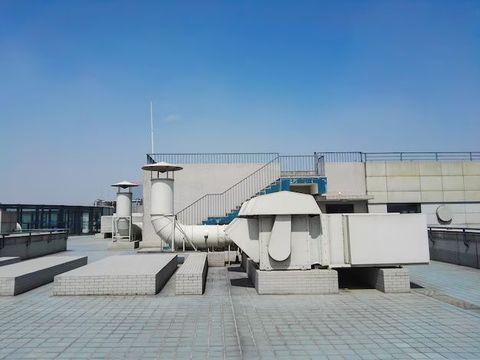
Indoor air can contain dust, pollen, cooking smoke, cleaning chemicals, and moisture. Without proper ventilation, these particles may accumulate over time. Ventilation technologies aim to maintain balanced airflow while supporting indoor comfort levels.
Airflow design and filtration methods are two central aspects of ventilation systems. Airflow design determines how air moves through ducts, vents, and openings, while filtration removes particles from the air before it circulates indoors. Together, these elements form the foundation of many residential ventilation strategies.
Importance
Ventilation systems influence indoor environments in ways many people do not immediately notice. Proper airflow can affect air freshness, humidity balance, and overall indoor comfort. Homes with limited airflow may experience issues such as lingering odors, condensation on windows, or uneven indoor temperatures.
Several factors explain why ventilation matters in modern homes:
- Indoor air quality: Ventilation helps dilute airborne contaminants such as dust, smoke, and household chemicals.
- Moisture control: Bathrooms, kitchens, and laundry areas produce humidity that needs to be removed to prevent condensation.
- Temperature balance: Air movement can distribute heated or cooled air more evenly throughout living spaces.
- Building durability: Excess moisture may affect building materials over time if airflow is insufficient.
Indoor environments have changed significantly in recent decades. Many residential buildings are constructed with insulation and sealing techniques that reduce energy loss. While these improvements support energy efficiency, they also limit natural air exchange through cracks and openings.
As a result, mechanical ventilation systems have become more common in residential construction. These systems support controlled airflow rather than relying entirely on natural air movement through windows or vents.
Understanding airflow design and filtration methods helps homeowners recognize how ventilation contributes to daily indoor comfort. Simple design elements such as vent placement, duct layout, and filtration type influence how effectively air circulates inside a home.
Recent Updates
From 2024–2026, interest in home ventilation systems has grown as indoor air quality awareness has increased. Several trends have emerged in residential ventilation design and technology.
Smart ventilation integration
New ventilation systems increasingly connect with smart home technologies. Sensors can monitor indoor air quality indicators such as humidity, carbon dioxide levels, and particulate matter. Based on these readings, ventilation systems can adjust airflow automatically.
For example, sensors may increase ventilation when humidity rises in kitchens or bathrooms. This automated response supports consistent indoor air management without requiring manual adjustments.
Improved filtration methods
Filtration technologies have evolved to capture smaller airborne particles. Many residential ventilation systems now integrate multi-layer filtration structures designed to remove dust, pollen, and other microscopic particles.
Air filtration efficiency is often categorized by ratings that describe particle capture capability. The following table provides a simplified overview of common filtration categories used in residential ventilation systems.
| Filtration Rating Range | Typical Particle Capture Capability | Common Applications |
|---|---|---|
| Low filtration levels | Captures larger dust particles | Basic air circulation systems |
| Medium filtration levels | Captures dust, pollen, and mold spores | Standard residential ventilation |
| Higher filtration levels | Captures finer particles and allergens | Enhanced indoor air quality systems |
These filtration developments help improve indoor comfort by reducing airborne particles that may circulate through ventilation systems.
Energy recovery ventilation
Energy recovery ventilation technologies have become more widely discussed in residential construction. These systems exchange indoor and outdoor air while transferring heat between air streams. This approach allows ventilation to occur while limiting large temperature differences between incoming and outgoing air.
Energy recovery ventilation supports airflow balance while maintaining energy efficiency in insulated homes.
Laws or Policies
Ventilation design is influenced by building standards and regulatory frameworks that aim to protect public health and safety. Many countries establish ventilation requirements within building codes to ensure adequate airflow in residential buildings.
In India, building guidelines related to ventilation appear within frameworks such as the Bureau of Indian Standards and the National Building Code of India. These frameworks provide recommendations for ventilation design, indoor airflow, and minimum ventilation openings in residential structures.
Some of the general principles included in building codes involve:
- Minimum ventilation openings: Residential rooms often require windows or ventilation openings to support airflow.
- Mechanical ventilation in enclosed areas: Kitchens, bathrooms, and utility spaces may require exhaust ventilation to remove humidity and odors.
- Air circulation pathways: Building layouts should allow air movement between rooms through doors, vents, or corridors.
Government initiatives related to housing development and urban planning may also incorporate ventilation guidelines to improve indoor living conditions.
These policies are designed to ensure that residential buildings maintain adequate airflow, particularly in dense urban environments where natural ventilation may be limited.
Tools and Resources
Several tools and informational resources help individuals understand airflow design and indoor air quality. These tools are often used by architects, building planners, and homeowners interested in ventilation planning.
Indoor air quality monitoring tools
Air quality monitoring devices measure indicators such as particulate matter, humidity, and carbon dioxide levels. These readings provide insight into how indoor air conditions change during daily activities.
Ventilation airflow calculators
Online calculators can estimate airflow needs based on room size, occupancy levels, and ventilation type. These tools help illustrate how airflow volume influences indoor air exchange rates.
Building design software
Architectural software platforms simulate airflow patterns inside buildings. Designers use these programs to visualize how ventilation ducts, windows, and openings affect air movement.
Informational resources and guidelines
Several organizations publish educational material about ventilation and indoor air quality, including:
- World Health Organization indoor air quality guidance
- International Energy Agency publications related to building efficiency and ventilation
- American Society of Heating, Refrigerating and Air-Conditioning Engineers technical resources on ventilation standards
These materials help explain how airflow design and filtration methods influence indoor environments.
FAQs
What are home ventilation systems?
Home ventilation systems are structures and devices that control how air moves in and out of a building. They help remove stale indoor air while allowing fresh air to circulate. This airflow process supports indoor air quality and humidity balance.
Why is airflow design important in home ventilation systems?
Airflow design determines how air travels through rooms, ducts, and vents. Proper airflow design helps distribute fresh air evenly throughout the home and removes indoor pollutants efficiently. Poor airflow design may result in stagnant air or uneven ventilation.
What filtration methods are used in home ventilation systems?
Filtration methods remove airborne particles from circulating air. Common filtration approaches include layered fiber filters, electrostatic filters, and mechanical filtration systems. These methods capture particles such as dust, pollen, and mold spores before the air recirculates indoors.
How do home ventilation systems affect indoor comfort?
Ventilation supports indoor comfort by maintaining balanced humidity, reducing airborne particles, and improving air freshness. Proper ventilation may also help maintain consistent indoor temperatures by supporting airflow between rooms.
Are ventilation systems required in residential buildings?
Many building codes include ventilation requirements to ensure indoor air circulation. Regulations often specify ventilation openings, exhaust systems, or mechanical airflow solutions depending on the building design and climate conditions.
Conclusion
Home ventilation systems play an important role in maintaining indoor air quality and supporting comfortable living environments. Airflow design determines how fresh air circulates through a building, while filtration methods remove airborne particles from the air supply. Modern residential buildings often rely on controlled ventilation because insulation and sealing limit natural air exchange. Understanding how ventilation works helps explain how indoor environments maintain balanced airflow, humidity control, and air cleanliness.