Horizontal Form Fill Seal Machines: Complete Informative Guide for Beginners
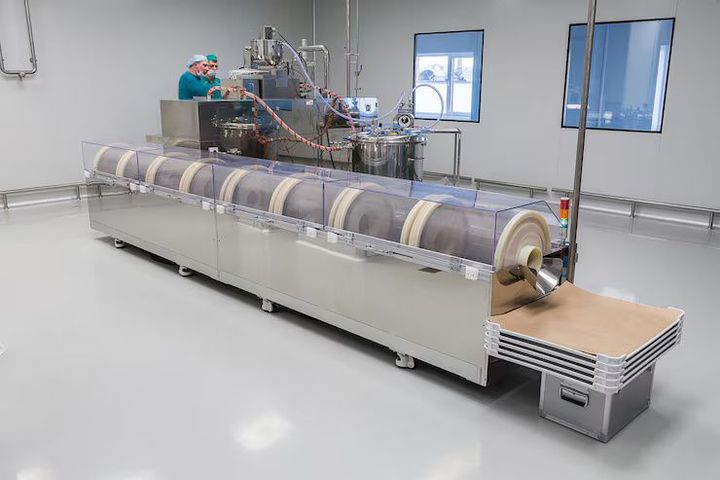
Horizontal Form Fill Seal (HFFS) machines are industrial packaging systems designed to form a package, fill it with a product, and seal it in a continuous automated process. These machines operate horizontally, meaning the packaging material moves in a flat direction through the system rather than vertically.
Horizontal Form Fill Seal (HFFS) technology was developed to improve efficiency in large-scale packaging operations. Instead of using separate machines for forming, filling, and sealing, HFFS systems integrate all steps into a single automated solution .
These machines are widely used across industries due to their ability to deliver consistent and high-speed packaging. Their automation capabilities make them essential in modern manufacturing environments.
Common Applications
HFFS machines are commonly used in:
- Food packaging (snacks, biscuits, frozen items)
- Pharmaceutical packaging (medical devices, blister packs)
- Consumer goods (personal care products, hardware items)
- Industrial components packaging
How HFFS Machines Work
The machine operates in three primary stages:
- Forming a pouch or wrapping from roll stock film
- Filling the product into the formed package
- Sealing and cutting the final package
This integrated process ensures efficiency, accuracy, and reduced material waste.
Importance of HFFS Machines
Horizontal form fill seal machines play a key role in automated manufacturing systems. As production scales increase and safety standards become stricter, businesses rely on these machines for consistent output .
Why This Technology Matters
- Rising consumer demand for packaged goods
- Strict food safety and pharmaceutical regulations
- Shift from manual labor to automation
- Need for high-speed and scalable packaging solutions
Operational Challenges Solved
HFFS systems help overcome several issues:
- Inconsistent packaging quality
- High labor dependency
- Excess material waste
- Production bottlenecks
Industries That Benefit
- Food and beverage manufacturing
- Medical device production
- Cosmetics and personal care
- Electronics and hardware packaging
Key Benefits
- Improved packaging speed
- Reduced contamination risk
- Consistent sealing quality
- Integration with digital manufacturing systems
Recent Updates (2025 Trends)
The HFFS machine industry has seen rapid technological advancements in 2025. These updates focus on automation, sustainability, and smart manufacturing integration .
Emerging Trends
- Smart sensors and IIoT for real-time monitoring
- Sustainable and biodegradable film compatibility
- Servo-driven systems for precise motion control
- Energy-efficient motors
- AI-based fault detection for predictive maintenance
- Touchscreen HMIs with multilingual support
Technology Improvements Table
| Feature Upgrade | Industry Impact Level |
|---|---|
| Smart Sensor Integration | High |
| Sustainable Film Compatibility | High |
| Energy Efficiency Systems | Moderate |
| AI Fault Monitoring | High |
These innovations reflect the shift toward Industry 4.0 and digital transformation.
Laws and Policies
HFFS machines must comply with various regulations related to safety, hygiene, and environmental standards .
Key Regulatory Bodies
- FDA (United States) for food safety and material compliance
- OSHA for workplace safety standards
- European Union regulations including CE marking and Machinery Directive
Additional Compliance Requirements
- Food contact material regulations
- Environmental sustainability directives
- Good Manufacturing Practice (GMP) for pharmaceuticals
Manufacturers must ensure machines meet both local and international standards to maintain compliance.
Tools and Resources
Various tools help manage and optimize HFFS machine operations in industrial environments .
Common Tools
- CAD software for packaging design
- PLC programming platforms
- HMI configuration software
- Production monitoring dashboards
- Preventive maintenance systems
- Statistical Process Control (SPC) software
Common File Types
- PLC ladder logic files
- Machine configuration templates
- Quality inspection reports
- Production output logs
Operational Workflow Table
| Process Stage | Primary Function |
|---|---|
| Film Feeding | Unwinds and guides packaging film |
| Forming | Shapes film into pouch or wrapper |
| Filling | Inserts product accurately |
| Sealing | Applies heat or pressure to close |
| Cutting | Separates finished package |
Learning Resources
- Technical manuals from manufacturers
- Industry webinars
- Automation certification courses
- Food safety training modules
Digital twins and simulation tools are also increasingly used to test performance before deployment.
Frequently Asked Questions
What is the difference between horizontal and vertical machines?
Horizontal machines move material sideways and are ideal for solid or irregular products. Vertical machines operate upright and are better suited for powders, liquids, and granules.
What products can HFFS machines handle?
They are suitable for snacks, bakery items, frozen foods, medical devices, cosmetics, and hardware components.
How does sealing work?
Sealing is done using heat or pressure, ensuring secure and tamper-evident packaging.
Are they compatible with sustainable materials?
Modern HFFS systems support recyclable and biodegradable films, depending on machine configuration.
What safety features are included?
- Emergency stop systems
- Protective guards
- Automatic shut-off mechanisms
- Sensor-based monitoring systems
Additional Technical Insights
Modern HFFS machines can operate at very high speeds, often producing hundreds of packages per minute .
Advanced Features
- Servo motors for precision control
- Load cells for accurate weight measurement
- Vision inspection systems for quality assurance
- Centralized production dashboards
Performance Comparison Table
| Parameter | Traditional System | Modern HFFS System |
|---|---|---|
| Automation Level | Moderate | High |
| Data Monitoring | Limited | Real-time |
| Energy Efficiency | Standard | Improved |
| Material Flexibility | Limited | Expanded |
These enhancements align with smart factory and Industry 4.0 initiatives.
Conclusion
Horizontal Form Fill Seal machines are essential in modern packaging automation. By combining forming, filling, and sealing into one system, they improve efficiency, consistency, and safety .
With advancements such as smart sensors, AI monitoring, and sustainable packaging support, HFFS technology continues to evolve. As regulations become stricter and automation demand increases, these machines remain a critical component of global manufacturing systems.