Hot Press Machines Guide: Explore Types, Components, Applications, Capacity, and Safety Factors
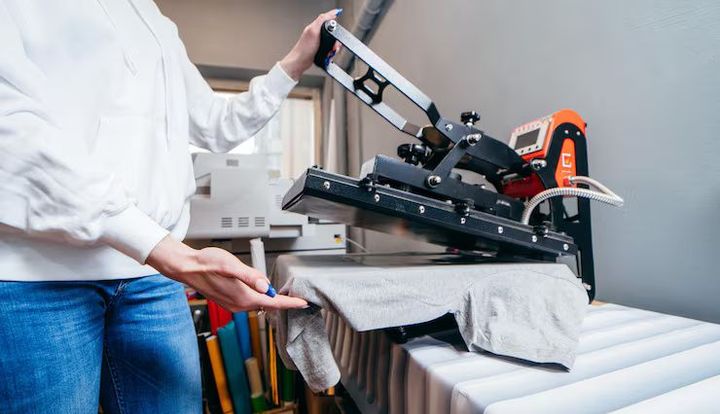
A hot press machine is industrial equipment that combines heat and pressure to shape, bond, consolidate, laminate, or form materials. Hot press machines are used with materials such as plastics, composites, rubber, ceramics, wood products, laminates, and certain advanced materials. The basic hot press machine process involves placing material between heated surfaces and applying controlled pressure for a defined period.
The concept developed from traditional pressing methods used to shape materials mechanically. As manufacturing processes became more controlled, heating systems were added to allow materials to soften, cure, consolidate, or bond while pressure was applied. Modern equipment can combine temperature controls, hydraulic or pneumatic systems, programmable controls, sensors, and safety mechanisms.
Hot press machines vary considerably in size and configuration. Some are compact laboratory systems used for material research, while larger industrial machines can process substantial panels, sheets, molded components, or composite structures.
How a Hot Press Machine Works
The basic operating sequence usually involves preparing the material, positioning it between heated plates or within a heated mold, applying pressure, maintaining the required temperature and pressure, and then cooling or releasing the finished component.
The exact cycle depends on the material. Thermoplastics may be softened by heat and shaped under pressure, while thermosetting materials may require heat and pressure to complete a curing reaction. Composite materials can also require carefully controlled temperature and pressure conditions to consolidate layers and reduce voids.
Main Types of Hot Press Machines
Hot press machines can be classified according to their heating method, pressing mechanism, construction, and intended application.
Common types include:
- Hydraulic hot presses, which use hydraulic cylinders to generate pressing force.
- Pneumatic hot presses, which use compressed air for pressing operations.
- Electric hot presses, which use electrically controlled heating and mechanical or motor-driven pressing systems.
- Laboratory hot presses, designed for controlled material research and smaller specimens.
- Vacuum hot presses, which combine heat and pressure with vacuum conditions for selected material processes.
- Multi-daylight presses, which contain multiple pressing levels for certain production applications.
- Hot press molding machines, which use heated molds to form specific shapes.
Each configuration has different operating characteristics, capacity ranges, and control requirements.
Importance
Hot press machines are important because many materials require both temperature and pressure to achieve their intended physical structure. Applying only pressure may not adequately soften, bond, cure, or consolidate certain materials, while heating without sufficient pressure may produce incomplete forming or bonding.
These machines are used in manufacturing environments where repeatable temperature and pressure conditions are important. Applications include laminated products, composite components, polymer processing, rubber products, electronic materials, ceramics, wood-based panels, and laboratory material development.
Applications of Hot Press Machines
The application depends largely on the material and machine configuration. Common areas include:
- Composite manufacturing for consolidating layered materials.
- Plastic processing for forming thermoplastic components.
- Lamination for bonding multiple layers under heat and pressure.
- Wood-panel production for pressing adhesive-coated layers.
- Rubber processing for molding and curing selected rubber compounds.
- Ceramic processing for consolidating certain powder-based materials.
- Electronics research for processing specialized materials and layered structures.
- Laboratory research for studying material behavior under controlled temperature and pressure.
Hot pressing is also used in research and development because temperature, pressure, and processing time can be adjusted to study how materials respond to different conditions.
Why Capacity Matters
Hot press capacity is not determined by a single measurement. Several specifications can affect what a machine can process, including maximum pressing force, platen dimensions, maximum temperature, working clearance, and allowable load.
For example, a machine may have sufficient pressing force for a particular material but insufficient platen area for the required component dimensions. Conversely, a large platen does not necessarily indicate that the machine can generate enough pressure for a specific process.
Recent Updates
From 2024 through 2026, hot press technology has continued to develop around automation, precise process control, energy management, and advanced materials. Manufacturers and research facilities increasingly use programmable systems that can control temperature, pressure, heating rates, holding periods, and cooling sequences.
Digital controllers and sensors can provide more detailed process information than older manual systems. Depending on the equipment, operators may monitor platen temperature, hydraulic pressure, displacement, cycle duration, and other operating parameters.
Automation and Digital Monitoring
Modern hot press machines can incorporate programmable logic controllers, touchscreen interfaces, pressure sensors, temperature sensors, and data-recording functions. These systems can help maintain defined process conditions during repeated production cycles.
Automated systems may also use alarms to identify conditions such as excessive temperature, insufficient pressure, abnormal hydraulic behavior, or unexpected movement. The available features vary by machine design.
Advanced Materials
Hot pressing continues to have applications in advanced material research, including composites, ceramics, powder-based materials, and specialized polymer systems. Research environments often require accurate control over temperature and pressure because small changes in processing conditions can affect material density, bonding, porosity, and mechanical properties.
Energy and Heating Control
Heating efficiency has also become an important design consideration. Different machines use cartridge heaters, electric heating elements, thermal-fluid systems, or other heating arrangements. Improved temperature sensing and control can help maintain the intended heating profile while reducing unnecessary heat variation.
Laws or Policies
Hot press machines used in workplaces are subject to applicable occupational safety requirements. In India, workplace machinery safety has historically been addressed under the Factories Act, 1948, which contains requirements concerning fencing of machinery, safe operation, worker protection, and precautions around hazardous equipment.
India has also introduced the Occupational Safety, Health and Working Conditions Code, 2020, which consolidates several areas of occupational safety and working conditions legislation. Applicable requirements depend on the workplace, industrial activity, workforce, and implementation framework.
Electrical components can also be subject to applicable Indian electrical safety requirements and standards. Machinery with pressure systems, hydraulic circuits, heated surfaces, or automated movement may require additional safeguards based on its design and workplace environment.
The Bureau of Indian Standards provides access to Indian Standards covering machinery, electrical equipment, workplace safety, materials, and related technical subjects. The exact standards applicable to a hot press depend on the machine type, intended use, and components involved.
Safety requirements should therefore be assessed for the specific installation rather than assuming that one rule applies to every hot press machine.
Common Safety Considerations
Hot press machines combine several hazards, including high temperatures, high mechanical forces, moving parts, hydraulic pressure, electrical energy, and potentially hazardous materials.
Important safety measures can include:
- Using suitable machine guards around moving components.
- Preventing unauthorized access to hazardous areas.
- Maintaining temperature and pressure within specified operating limits.
- Inspecting hydraulic lines, fittings, and cylinders where applicable.
- Checking electrical connections and heating elements.
- Using appropriate personal protective equipment.
- Providing suitable emergency stopping or isolation mechanisms.
- Following documented operating and maintenance procedures.
Tools and Resources
Several resources can help users understand hot press machines and evaluate their operating requirements.
Machine Specification Sheets
A technical specification sheet normally lists important information such as pressing force, platen dimensions, temperature range, heating method, operating clearance, hydraulic pressure, electrical requirements, and control features.
These specifications provide a structured way to compare the capabilities of different machine configurations.
Process Calculation Tools
Basic calculations can help relate pressing force, platen area, and pressure.
The general relationship is:
Pressure = Force ÷ Area
For example, if a press applies 100 kN over a platen area of 0.10 m², the average pressure is approximately 1 MPa, assuming the force is distributed evenly across the area.
Actual material pressure can differ because of load distribution, mold geometry, friction, material behavior, and other process factors.
Maintenance Records
A maintenance record can include:
| Item | Information to record |
|---|---|
| Machine identification | Model and equipment reference |
| Temperature system | Heater and sensor condition |
| Hydraulic system | Fluid, lines, seals, and pressure observations |
| Platen condition | Surface condition and alignment |
| Controls | Sensor and controller checks |
| Safety systems | Guard and emergency-control inspection |
| Operating cycle | Temperature, pressure, and duration |
| Maintenance | Inspection date and work performed |
Keeping consistent records can help identify changes in machine performance and support routine equipment management.
Standards and Technical References
Indian Standards, manufacturer manuals, workplace safety documents, and engineering references can provide additional information about specific machine components and operating conditions. Technical documentation should be matched to the exact equipment rather than applying generic specifications to every hot press.
FAQs
What is a hot press machine?
A hot press machine is equipment that uses heat and mechanical pressure to form, bond, cure, laminate, or consolidate materials. Its configuration varies according to the material and manufacturing process.
What are the main components of a hot press machine?
Typical components include heated platens, a pressing mechanism, hydraulic or pneumatic cylinders where applicable, heating elements, temperature sensors, pressure controls, a frame, control system, and safety devices.
What is hot press machine capacity?
Hot press machine capacity can refer to pressing force, platen size, maximum temperature, working clearance, or the amount and type of material that can be processed. The relevant capacity depends on the application.
What are the main applications of hot press machines?
Hot press machines are used for composite consolidation, plastic forming, lamination, wood-panel processing, rubber molding, ceramics, and laboratory material research. The exact application depends on the machine design and process requirements.
What are the main hot press machine safety factors?
Important safety factors include temperature control, pressure limits, machine guarding, hydraulic-system condition, electrical safety, emergency controls, operator training, and protection from hot surfaces and moving components.
Conclusion
Hot press machines combine controlled heat and pressure to process a wide range of materials. Their major components include heated platens, pressing mechanisms, temperature controls, sensors, structural frames, and safety systems. Capacity depends on factors such as pressing force, platen dimensions, temperature range, and working clearance rather than one specification alone. Recent developments have emphasized automation, digital monitoring, advanced materials processing, and more controlled heating systems.