Human Machine Interfaces HMI: AI-Powered Guide to Smart Industrial Automation
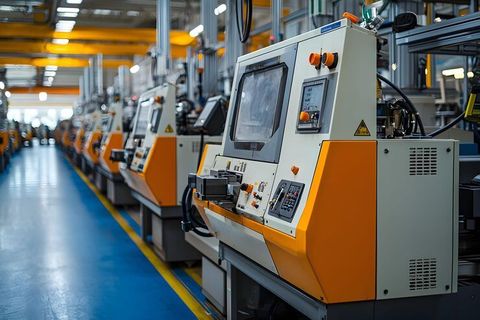
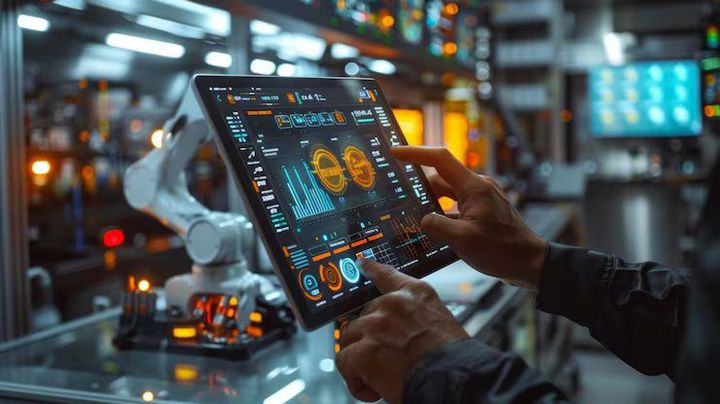
A Human-Machine Interface, commonly called HMI, is the visual and interactive layer that allows people to communicate with industrial machines, equipment, controllers, and automated processes. An HMI can display machine status, production information, alarms, temperatures, pressures, speeds, energy data, and other operating conditions.
In traditional industrial environments, operators often depended on physical buttons, indicator lights, switches, meters, and control panels. As industrial automation developed, digital screens became more important because they could present much larger amounts of information in a structured way.
Modern HMI systems are closely connected with PLC control systems, SCADA platforms, industrial control systems, sensors, robotics, manufacturing execution systems, and industrial networks.
AI is now adding another layer to HMI technology. Instead of simply displaying information, an AI-enabled interface can help identify unusual patterns, summarize machine conditions, highlight important alarms, and provide decision-support information.
The basic purpose remains the same: help people understand what an automated system is doing and respond appropriately.
How an HMI Works
An industrial HMI normally receives information from controllers, sensors, databases, and automation equipment. It then presents that information through screens designed for operators and technical personnel.
A typical structure can include:
- Sensors collecting machine or process data
- PLCs processing control information
- Industrial networks transferring data
- HMI software presenting operating information
- SCADA systems providing broader monitoring
- Databases storing historical information
- AI tools analyzing patterns and abnormalities
This creates a connection between the physical manufacturing environment and the human decision-making process.
Why HMI Matters in Modern Industrial Automation
Improving Operator Awareness
Industrial environments can generate thousands of data points. Showing every measurement on one screen can make an interface difficult to understand.
A well-designed HMI prioritizes important information. Operators can see normal conditions, abnormal conditions, alarms, trends, and equipment status without searching through unnecessary screens.
This can improve situational awareness and help people recognize developing problems earlier.
Supporting Smart Manufacturing
Smart manufacturing depends on the ability to collect, organize, analyze, and understand industrial data.
HMI technology provides an important visual layer for this process. When connected with industrial IoT, AI analytics, machine learning, and cloud or edge computing, an HMI can present information from multiple sources.
For example, an AI-powered HMI may identify that motor vibration has gradually increased over several production cycles. Instead of only showing the current vibration value, the system can highlight the trend for further investigation.
AI should be treated as decision support rather than an automatic replacement for qualified human judgment.
Improving Alarm Management
Alarm overload can make industrial control systems difficult to monitor. When too many alarms appear at the same time, important warnings may become difficult to recognize.
Modern HMI design therefore focuses on:
- Alarm priority
- Clear alarm descriptions
- Consistent visual indicators
- Historical alarm information
- Trend displays
- Appropriate acknowledgement processes
- Reduced unnecessary notifications
ISA101 specifically addresses areas such as navigation, graphics, alarm presentation, usability, and HMI lifecycle management.
Supporting Multiple Industrial Applications
HMI technology is used across many industries, including:
| Industrial Area | Typical HMI Information |
|---|---|
| Manufacturing | Production status and machine conditions |
| Automotive | Assembly and robotic cell monitoring |
| Food Processing | Temperature, flow, and process status |
| Chemicals | Pressure, temperature, and process variables |
| Energy | Equipment status and power information |
| Water Treatment | Flow, tank levels, and pump operation |
| Pharmaceuticals | Process parameters and equipment status |
| Warehousing | Automated material movement and system status |
The interface varies according to the risks, processes, equipment, and regulatory requirements of each industry.
AI-Powered HMI Trends in 2025–2026
AI-Assisted Industrial Monitoring
One of the major developments is the integration of AI analytics with industrial data. Instead of presenting only raw values, advanced systems can identify patterns and draw attention to unusual operating conditions.
Potential applications include:
- Anomaly detection
- Predictive maintenance analysis
- Production trend analysis
- Energy monitoring
- Automated data summaries
- Pattern recognition
- Equipment health visualization
The accuracy of these functions depends on data quality, system configuration, model validation, and the operating environment.
More Context-Aware Interfaces
Modern HMI design is moving toward context-aware displays. The objective is to show the right information at the right time instead of presenting every available measurement simultaneously.
For example, a normal operating screen may contain only essential information. If an abnormal condition develops, the interface can provide additional diagnostic information and relevant trends.
This approach can make complex industrial control systems easier to understand.
Web-Based and Mobile HMI
Web technologies are also influencing HMI development. Depending on the industrial architecture and security requirements, authorized users may access dashboards through computers or approved mobile devices.
However, remote access must be carefully designed. Industrial environments require strong authentication, network segmentation, access controls, monitoring, and cybersecurity practices.
Industrial Cybersecurity
As HMIs become more connected, cybersecurity becomes increasingly important. HMI systems can interact with PLCs, SCADA networks, databases, remote monitoring platforms, and enterprise systems.
The ISA/IEC 62443 family provides a widely used framework for industrial automation and control system cybersecurity, covering security requirements and lifecycle processes for industrial environments.
Laws, Standards, and Policies
International HMI Standards
HMI design is influenced by technical standards and industry practices. ANSI/ISA-101.01 provides guidance for Human-Machine Interfaces used in process automation systems and addresses the HMI lifecycle, including design, implementation, operation, and maintenance.
In August 2024, an ANSI project was initiated for a national adoption with modifications of IEC 63303:2024 concerning HMI for process automation systems.
Manufacturers and automation teams should identify which standards, electrical requirements, machinery rules, functional-safety requirements, and cybersecurity frameworks apply to their specific installation and country.
European Union AI Regulation
AI-enabled industrial HMI systems may also fall within broader AI governance requirements depending on how AI is used.
The EU AI Act became broadly applicable on 2 August 2026, with different provisions having different application dates. Certain high-risk AI provisions have extended timelines, including specific requirements connected with regulated products.
The EU also introduced the AI Omnibus Regulation in July 2026, changing parts of the implementation timeline and compliance framework.
For industrial organizations operating in regulated markets, AI functionality should therefore be evaluated according to its actual purpose, risk classification, data handling, and relationship with safety-related systems.
Tools and Resources for HMI Development
HMI Design and Engineering Tools
Useful categories of tools include:
- HMI screen design software
- PLC programming environments
- SCADA development platforms
- Industrial data historians
- Process simulation software
- Alarm-management tools
- Network monitoring tools
- Industrial cybersecurity assessment tools
- Data visualization dashboards
- AI and machine-learning analytics platforms
A practical HMI development process can begin with a screen hierarchy and operator task analysis before individual graphics are created.
Useful Calculators and Templates
Technical teams may also use:
- Production monitoring templates
- Alarm-priority matrices
- HMI screen checklists
- PLC I/O documentation templates
- Equipment status dashboards
- Risk-assessment worksheets
- Cybersecurity assessment checklists
- Machine performance calculation sheets
- Energy monitoring dashboards
These resources can help standardize documentation and reduce inconsistency between different automation systems.
Frequently Asked Questions
What Is a Human-Machine Interface?
A Human-Machine Interface is a digital or physical interface that allows people to monitor and interact with machines, equipment, and automated processes.
How Is AI Used in HMI Systems?
AI can analyze industrial data to identify patterns, detect unusual conditions, summarize information, and provide decision-support insights. AI does not automatically make every industrial decision and should be validated for the intended application.
What Is the Difference Between HMI and SCADA?
An HMI generally provides an operator interface for monitoring and interacting with equipment or a process. SCADA is a broader supervisory architecture that can collect, monitor, store, and visualize information across multiple industrial systems.
Is HMI Cybersecurity Important?
Yes. Connected HMI systems can become part of an industrial control network. Authentication, authorization, network segmentation, software maintenance, monitoring, and appropriate cybersecurity controls are important for reducing operational risk.
What Should a Good HMI Display?
A good HMI should present information that helps users understand the current process condition and respond appropriately. Important elements can include equipment status, process values, trends, alarms, operating modes, and relevant diagnostic information.
Conclusion
Human-Machine Interfaces are becoming an increasingly important part of smart industrial automation. Traditional HMI systems focused primarily on displaying machine information and providing operator controls. Modern systems are expanding this role through AI analytics, industrial IoT, advanced visualization, data historians, cybersecurity, and integration with wider manufacturing systems.