Humidity Sensor Introduction: Resources for Better Understanding
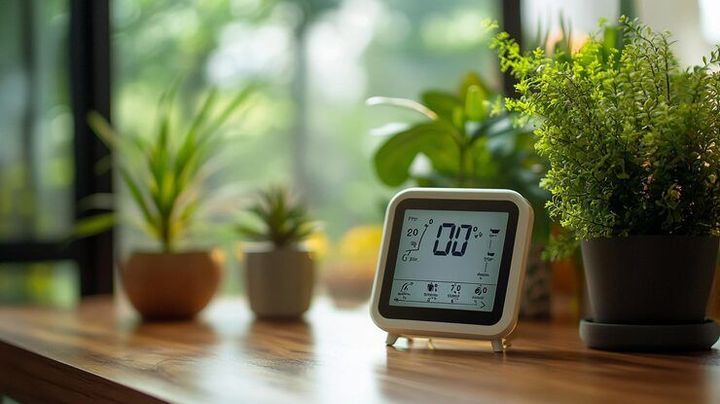
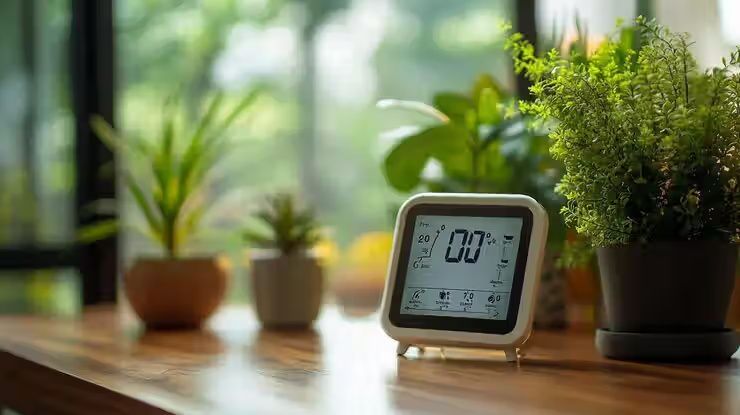
A humidity sensor is a device used to measure the amount of moisture in the air. It detects relative humidity (RH), which indicates how much water vapor is present compared to the maximum amount the air can hold at a specific temperature.
Humidity sensors are designed to measure moisture levels in the air, which directly affect human comfort, industrial processes, and environmental stability. Monitoring humidity helps prevent damage, improve air quality, and maintain safe operating conditions.
There are three primary types of humidity sensors, along with integrated systems that combine temperature and humidity measurement for improved accuracy. These sensors are widely used in HVAC systems, industrial monitoring, agriculture, and smart home environments.
Importance of Humidity Monitoring
Humidity control plays a key role in both everyday life and specialized industries.
Indoor Air Quality
Maintaining balanced humidity supports:
- Respiratory comfort
- Reduced mold growth
- Protection of furniture and electronics
HVAC systems rely on accurate sensors to regulate indoor environments effectively.
Industrial Applications
Humidity monitoring is essential in industries such as:
- Pharmaceutical manufacturing
- Food processing
- Semiconductor production
- Textile manufacturing
Improper humidity levels can lead to product damage or safety risks.
Agriculture and Storage
Greenhouses and storage facilities use humidity sensors to prevent spoilage and optimize plant growth conditions.
Data Centers and Electronics
Environmental monitoring helps prevent condensation, overheating, and equipment damage in sensitive systems.
Common Problems Solved
Humidity sensors help address:
- Mold formation
- Equipment corrosion
- Static discharge damage
- Product quality inconsistencies
Types of Humidity Sensors
Capacitive Humidity Sensor
Measures changes in electrical capacitance caused by moisture. Commonly used in HVAC and IoT systems.
Resistive Humidity Sensor
Detects changes in electrical resistance due to humidity variations. Often used in consumer devices.
Thermal Conductivity Sensor
Measures absolute humidity based on heat conductivity changes. Typically used in industrial environments.
Integrated Temperature and Humidity Sensor
Combines temperature and humidity measurements in a single unit for improved efficiency and accuracy.
Comparison of Sensor Types
| Sensor Type | Accuracy Level | Common Applications | Maintenance Needs |
|---|---|---|---|
| Capacitive Sensor | High | HVAC, IoT systems | Low to moderate |
| Resistive Sensor | Moderate | Consumer devices | Moderate |
| Thermal Conductivity | High | Industrial processes | Higher |
| Integrated Digital Sensor | High | Smart home systems | Low |
This comparison highlights differences in accuracy, usage, and maintenance.
Recent Updates and Trends (2025–2026)
Humidity sensor technology has advanced significantly in recent years.
Key Developments
- Improved IoT integration: Enhanced wireless connectivity and battery life
- Better calibration standards: Stricter industrial accuracy requirements
- Smart building expansion: Integration into energy-efficient systems
- Miniaturization: Smaller, more sensitive sensors for portable devices
These trends reflect the growing role of environmental monitoring in digital systems.
Laws and Policies
Humidity sensors are influenced by environmental, industrial, and safety regulations.
Key Regulatory Areas
- Indoor air quality standards (e.g., environmental guidelines)
- Workplace safety regulations for humidity control
- Industrial calibration compliance standards
- Energy efficiency programs for smart buildings
Compliance ensures accurate measurement, safety, and environmental protection.
Tools and Resources
Calibration Tools
- Digital hygrometers
- Calibration chambers
- Reference humidity generators
Monitoring Software
- Cloud-based IoT dashboards
- Data logging platforms
- Smart building management systems
Calculation Resources
- Dew point calculators
- Relative humidity charts
- HVAC load estimation tools
Standards and Learning Resources
- ISO technical guidelines
- Environmental compliance portals
- Engineering courses and technical documentation
These tools support proper installation, monitoring, and compliance.
Environmental Impact Overview
| Application Area | Impact of Accurate Humidity Monitoring |
|---|---|
| Healthcare Facilities | Reduces microbial growth risks |
| Food Storage | Preserves product quality |
| Electronics Industry | Prevents static discharge |
| Residential Buildings | Improves comfort and air quality |
| Agriculture | Enhances crop protection |
This table highlights how humidity monitoring supports different sectors.
Frequently Asked Questions
What does a humidity sensor measure?
It measures the amount of water vapor in the air, usually expressed as relative humidity.
Why is humidity monitoring important in HVAC systems?
It helps maintain comfort and prevents mold and condensation.
How often should sensors be calibrated?
Calibration frequency depends on usage and regulatory requirements, especially in industrial settings.
Can humidity sensors connect to IoT systems?
Yes, many modern sensors integrate with IoT monitoring platforms.
What is the difference between relative and absolute humidity?
Relative humidity compares current moisture to maximum capacity, while absolute humidity measures total water vapor content.
Conclusion
Humidity sensors are essential for maintaining environmental stability across residential, commercial, and industrial applications. They support safety, efficiency, and product quality through accurate moisture measurement.
Recent developments highlight advancements in IoT integration, calibration accuracy, and smart building technologies. Understanding sensor types, applications, and regulatory considerations helps ensure effective and reliable humidity monitoring in modern environments.