Modern buildings rely heavily on structured environmental control systems. Offices, hospitals, data centers, schools, and industrial facilities require stable indoor conditions to ensure comfort, protect equipment, and maintain operational efficiency.
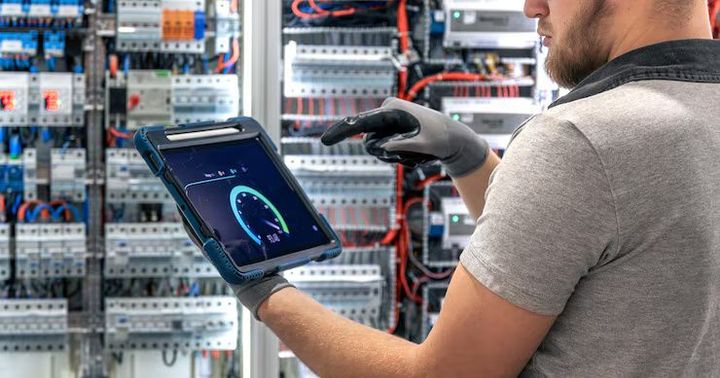
HVAC control panels are essential for coordinating mechanical components such as compressors, air handlers, chillers, thermostats, dampers, and ventilation units. These systems ensure that climate conditions remain consistent across different environments.
Traditionally, HVAC systems were manually operated or controlled using standalone thermostats. Over time, digital control panels have evolved to include programmable logic controllers (PLCs), building automation systems (BAS), and IoT-enabled smart controls.
Core Components of HVAC Control Panels
Key components typically include:
-
Programmable controllers
-
Circuit breakers and relays
-
Variable frequency drives (VFDs)
-
Temperature and humidity sensors
-
Human-machine interfaces (HMIs)
-
Communication modules for building management systems
These components work together to optimize system performance and improve efficiency.
Importance
HVAC control panels play a critical role in energy efficiency and building automation. As global energy demand increases, efficient climate control systems are becoming essential for sustainability and cost management.
Commercial buildings consume a significant portion of global energy. Efficient HVAC systems help reduce energy usage while maintaining comfort and operational standards.
Why This Topic Matters
HVAC control systems are essential because:
-
Data centers require precise cooling to avoid overheating
-
Healthcare facilities must maintain strict air quality standards
-
Industrial environments depend on stable temperatures for production
-
Offices and commercial spaces require consistent comfort levels
Without effective control panels, systems may result in:
-
Energy waste
-
Uneven temperature distribution
-
Higher carbon emissions
-
Reduced equipment lifespan
-
Increased maintenance costs
Smart HVAC systems integrate with energy management platforms to monitor usage patterns and automate adjustments, improving overall efficiency.
Recent Updates
HVAC control panel technology has advanced significantly with digital transformation trends. In 2025, systems increasingly include AI-driven capabilities and cloud integration.
Key Innovations
Recent developments include:
-
AI-driven predictive maintenance
-
Cloud-based monitoring platforms
-
Remote diagnostics capabilities
-
Integration with renewable energy systems
Open communication protocols like BACnet and Modbus are improving interoperability between HVAC, lighting, and security systems.
Cybersecurity has also become a major focus. As systems connect to cloud networks, secure communication and firmware protection are now critical requirements.
Variable frequency drives (VFDs) are increasingly used to optimize motor performance and reduce energy consumption.
Laws and Policies
HVAC control panels must comply with national and international regulations related to energy efficiency and safety. These regulations ensure reliable and environmentally responsible operation.
Key Regulatory Frameworks
United States:
-
ASHRAE energy efficiency standards
-
Department of Energy (DOE) guidelines
-
OSHA electrical safety requirements
European Union:
-
Energy Performance of Buildings Directive (EPBD)
-
Ecodesign regulations
-
CE marking standards
Sustainability Certifications
Many projects follow green building certifications such as:
-
LEED (Leadership in Energy and Environmental Design)
-
BREEAM sustainability standards
These certifications promote reduced emissions and improved energy performance.
Tools and Resources
Various tools support HVAC control panel design, monitoring, and optimization. These technologies enable better system visibility and performance management.
Common Tools
-
Building Management Systems (BMS)
-
Energy management dashboards
-
HVAC load calculation tools
-
PLC programming software
-
SCADA systems
-
Cloud-based monitoring platforms
Control Panel Integration Levels
| Control Level | Typical Application | Automation Level |
|---|
| Basic Thermostat Control | Small residential buildings | Low |
| PLC-Based Control Panel | Commercial facilities | Moderate |
| Smart Building Automation | Hospitals, data centers, large offices | High |
Monitoring Priorities
| Monitoring Parameter | Importance Level |
|---|
| Temperature Stability | High |
| Energy Usage | High |
| Humidity Control | Moderate |
| Equipment Runtime | High |
These tools help facility managers track performance and optimize system settings.
Industry Insights and Performance Considerations
Modern HVAC control panels support real-time data logging and remote access. Facility managers can monitor system performance through web-based dashboards, improving transparency and decision-making.
Key Energy Management Strategies
-
Automated zoning
-
Occupancy sensors
-
Demand-controlled ventilation
-
Carbon emission tracking
Artificial intelligence is enabling predictive maintenance by identifying early signs of equipment wear. For example, vibration data can indicate motor issues before failure occurs.
As urbanization grows, advanced HVAC systems are becoming essential for maintaining indoor environmental quality while minimizing energy consumption.
Frequently Asked Questions
What is the main function of an HVAC control panel?
An HVAC control panel regulates heating, ventilation, and air conditioning systems by managing sensors, controllers, and electrical components.
How does a smart HVAC system improve energy efficiency?
Smart systems analyze usage patterns and automatically adjust temperature, airflow, and motor speed to reduce energy waste.
Are HVAC control panels suitable for small buildings?
Yes, smaller buildings can use simplified digital panels or programmable thermostats, while larger facilities require advanced automation systems.
What role do VFDs play in HVAC systems?
Variable frequency drives adjust motor speed based on demand, reducing energy consumption and mechanical stress.
How do regulations impact HVAC control panels?
Regulations influence design by enforcing safety standards, energy efficiency requirements, and environmental compliance.
Conclusion
HVAC control panels are vital to modern building infrastructure. They ensure efficient climate control, improve energy performance, and support regulatory compliance.
Recent advancements in smart automation, cloud connectivity, and predictive analytics are transforming HVAC system management. These innovations enhance efficiency, reduce environmental impact, and improve reliability.
As sustainability initiatives continue to grow, HVAC control panels will remain central to efficient and responsible building operations.