Hydraulic Machinery Frameworks: Efficient Operations Guide
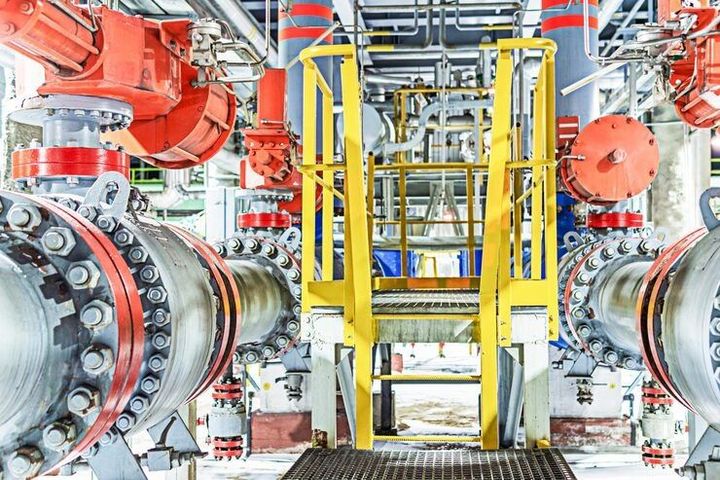
Hydraulic machinery frameworks refer to structured systems that use fluid power to perform work in industrial, construction, and manufacturing environments. These frameworks include components such as pumps, valves, cylinders, actuators, and control systems that work together to transfer energy through pressurized liquids.
Hydraulic systems exist because they provide a reliable way to generate high force with precise control. Unlike purely mechanical systems, hydraulics allow smoother motion, flexible force application, and better efficiency in heavy-duty operations. From excavators and cranes to manufacturing presses and aircraft systems, hydraulic frameworks are widely used across industries.
At the core, a hydraulic framework converts mechanical energy into fluid energy and then back into mechanical force. This controlled energy transfer makes it possible to lift heavy loads, operate complex machinery, and maintain stability under varying conditions.
A simple representation of a hydraulic system structure:
| Component | Function |
|---|---|
| Pump | Converts mechanical energy to fluid pressure |
| Valves | Control flow and direction |
| Actuators | Convert fluid energy into motion |
| Reservoir | Stores hydraulic fluid |
| Filters | Maintain fluid cleanliness |
These frameworks are essential for tasks requiring consistent force, durability, and precision.
Importance – Why Hydraulic Frameworks Matter Today
Hydraulic machinery frameworks play a critical role in modern infrastructure and industrial productivity. They impact sectors such as construction, agriculture, mining, automotive manufacturing, and energy production.
Their importance comes from several key benefits:
- High power-to-weight ratio allows machines to handle heavy loads efficiently
- Precise control improves safety and operational accuracy
- Durability ensures long-term performance in harsh environments
- Adaptability supports multiple industrial applications
Industries rely on hydraulic systems to solve problems such as:
- Lifting and transporting heavy materials
- Automating repetitive manufacturing processes
- Ensuring smooth motion in complex machinery
- Maintaining operational efficiency in large-scale systems
In today’s digital and industrial transformation era, hydraulic systems are also integrated with automation and control technologies. This integration supports predictive maintenance, reduces downtime, and enhances performance monitoring.
The growing focus on energy efficiency and sustainability has further increased the relevance of optimized hydraulic frameworks. Efficient system design reduces energy consumption and improves overall operational performance.
Recent Updates – Trends and Developments in the Past Year
Over the past year (2025–2026), several notable trends have influenced hydraulic machinery frameworks:
Smart Hydraulics and IoT Integration (2025)
Manufacturers are increasingly integrating sensors and IoT-enabled devices into hydraulic systems. These smart systems provide real-time data on pressure, temperature, and performance, allowing better monitoring and maintenance.
Energy-Efficient Hydraulic Systems (Late 2025)
New designs focus on reducing energy loss through improved pump efficiency and advanced control valves. Variable speed drives and hybrid systems are becoming more common.
Electro-Hydraulic Systems Growth (2026)
Electro-hydraulic technology combines electrical control with hydraulic power, offering better precision and automation. This trend is expanding in industries like robotics and advanced manufacturing.
Environmental Compliance Improvements (2025–2026)
There is increasing use of biodegradable hydraulic fluids and leak prevention technologies to reduce environmental impact.
Digital Twin Technology Adoption (2026)
Digital twins are virtual models of hydraulic systems used for simulation and optimization. They help engineers test system performance before implementation.
A simplified trend comparison:
| Trend | Impact on Industry |
|---|---|
| IoT Integration | Improved monitoring and diagnostics |
| Energy Efficiency | Reduced operational energy usage |
| Electro-Hydraulics | Enhanced precision and automation |
| Eco-Friendly Fluids | Lower environmental impact |
| Digital Twins | Better design and optimization |
These developments reflect a shift toward smarter, cleaner, and more efficient hydraulic frameworks.
Laws or Policies – Regulatory and Compliance Factors
Hydraulic machinery frameworks are influenced by various regulations and policies, especially in countries like India. These rules focus on safety, environmental protection, and industrial standards.
Key regulatory areas include:
Industrial Safety Standards
Organizations must comply with safety guidelines related to pressure systems, equipment handling, and worker protection. Standards often include regular inspections and maintenance requirements.
Environmental Regulations
Policies address hydraulic fluid disposal, leak prevention, and emissions control. The use of environmentally friendly fluids is encouraged in many sectors.
Energy Efficiency Guidelines
Government initiatives promote energy-efficient machinery to reduce industrial power consumption. Hydraulic systems must meet certain efficiency benchmarks.
Manufacturing Standards
Standards ensure that hydraulic components meet quality and performance requirements. This includes certifications for pumps, valves, and control systems.
Workplace Safety Laws
Employers must ensure safe operation of hydraulic equipment, including training, protective gear, and emergency procedures.
These regulations help:
- Reduce workplace accidents
- Protect the environment
- Improve system reliability
- Ensure consistent quality across industries
Compliance with these policies is essential for maintaining operational integrity and avoiding legal risks.
Tools and Resources – Useful Platforms and Technologies
Various tools and resources support the design, maintenance, and optimization of hydraulic machinery frameworks. These tools help engineers, technicians, and operators improve system performance.
Design and Simulation Tools
- CAD software for hydraulic system design
- Simulation platforms for fluid dynamics analysis
- Digital twin modeling tools
Monitoring and Diagnostics Tools
- IoT-based sensors for real-time data
- Predictive maintenance software
- Pressure and flow monitoring systems
Calculation and Analysis Resources
- Hydraulic calculators for pressure, flow, and force
- Energy efficiency assessment tools
- System performance evaluation software
Learning and Documentation Resources
- Technical manuals and guides
- Industry standards documentation
- Online training platforms for hydraulic systems
Maintenance and Inspection Tools
- Fluid analysis kits
- Leak detection devices
- Preventive maintenance checklists
Example of a basic hydraulic calculation:
| Parameter | Description |
|---|---|
| Pressure | Force applied per unit area |
| Flow Rate | Volume of fluid movement |
| Power Output | Work done by the system |
These tools help improve efficiency, reduce downtime, and ensure safe operations.
FAQs – Common Questions About Hydraulic Machinery Frameworks
What is a hydraulic machinery framework?
It is a structured system that uses pressurized fluid to generate and control mechanical power in machines.
Where are hydraulic systems commonly used?
They are used in construction equipment, manufacturing machines, aircraft systems, and agricultural machinery.
Why are hydraulic systems preferred over mechanical systems?
They offer higher force, smoother control, and better adaptability for complex operations.
How can hydraulic system efficiency be improved?
Efficiency can be improved through proper maintenance, energy-efficient components, and real-time monitoring systems.
What are common issues in hydraulic systems?
Common issues include fluid leaks, contamination, pressure loss, and component wear.
Conclusion
Hydraulic machinery frameworks form the backbone of many industrial and mechanical operations. Their ability to deliver high power, precision, and reliability makes them essential across multiple sectors.
With the integration of smart technologies, energy-efficient designs, and advanced monitoring tools, hydraulic systems are evolving rapidly. Recent trends such as IoT integration, electro-hydraulics, and digital twin technology are shaping the future of these frameworks.
At the same time, regulatory compliance and environmental considerations are becoming increasingly important. Organizations must balance performance with sustainability and safety.