Industrial Air Compressors: Essential Equipment Guide
Industrial air compressors are among the most important pieces of equipment used in modern industries. These machines convert power into compressed air, which can then be used to operate tools, machinery, and industrial processes. Compressed air is often referred to as the "fourth utility" after electricity, water, and natural gas because of its widespread use across industrial environments.
From manufacturing plants and automotive facilities to construction sites and food processing units, industrial air compressors play a critical role in supporting daily operations. Their ability to deliver consistent air pressure helps improve efficiency, productivity, and operational reliability.
As industries continue to adopt automation, energy-efficient technologies, and smart manufacturing systems, the importance of industrial air compressors continues to grow.
Understanding Industrial Air Compressors and Their Purpose
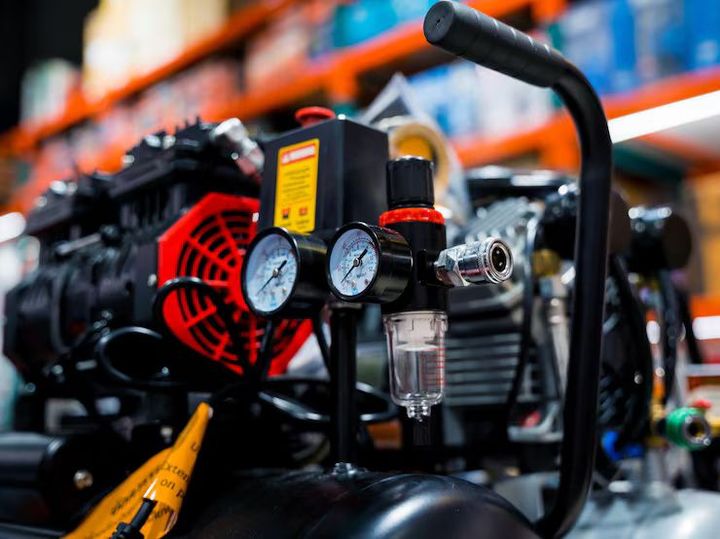
Industrial air compressors are mechanical devices designed to increase the pressure of air by reducing its volume. Once compressed, the air can be stored in tanks and distributed through pipelines to power various industrial applications.
The concept of compressed air has existed for centuries, but modern industrial compressors emerged during the Industrial Revolution when factories required reliable sources of mechanical power. Over time, compressor technology evolved to meet the growing demands of manufacturing and infrastructure development.
Common types of industrial air compressors include:
| Compressor Type | Primary Application |
|---|---|
| Reciprocating Compressors | Small and medium industrial operations |
| Rotary Screw Compressors | Continuous industrial production |
| Centrifugal Compressors | Large-scale manufacturing facilities |
| Scroll Compressors | Precision and clean-air applications |
These systems exist because industries require a dependable source of energy that is flexible, safe, and suitable for multiple applications.
Typical Uses of Compressed Air
Industrial air compressors support a wide range of functions, including:
- Operating pneumatic tools
- Powering manufacturing equipment
- Material handling systems
- Packaging processes
- Spray painting applications
- Automation systems
- Industrial cleaning operations
- Process control systems
Their versatility makes them indispensable in many sectors of the economy.
Why Industrial Air Compressors Matter Today
Industrial air compressors have become increasingly important as industries focus on efficiency, productivity, and automation.
Modern manufacturing facilities rely on compressed air to maintain uninterrupted production processes. Without reliable compressed air systems, many automated machines and production lines would struggle to operate effectively.
Supporting Industrial Productivity
Compressed air provides a consistent energy source for machinery and equipment. This helps industries maintain stable production schedules and reduce downtime.
Enabling Automation
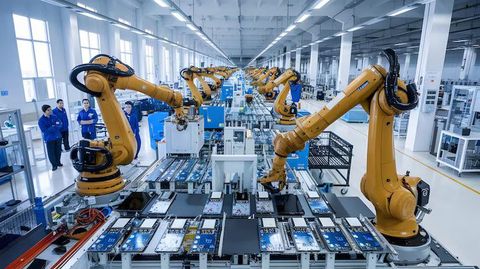
As factories adopt smart manufacturing technologies, compressed air systems continue to play a key role in powering robotic equipment and automated production systems.
Improving Workplace Operations
Compressed air helps simplify tasks such as cleaning, material movement, packaging, and equipment operation. This contributes to smoother industrial workflows.
Addressing Energy Management Challenges
Energy consumption remains a major concern for industrial facilities. Modern compressor technologies are designed to reduce energy waste and improve operational efficiency.
Industries That Depend on Air Compressors
Many sectors rely heavily on industrial air compressors:
- Manufacturing
- Construction
- Automotive production
- Food and beverage processing
- Pharmaceutical manufacturing
- Mining operations
- Textile production
- Oil and gas facilities
- Energy generation
As industrial activities expand globally, the demand for reliable compressed air systems continues to increase.
Recent Updates and Industry Trends
The industrial air compressor sector has experienced several notable developments during the past year.
Growing Focus on Energy Efficiency in 2025
Throughout 2025, manufacturers and industrial operators have increasingly emphasized energy-efficient compressor systems. Energy costs remain a significant operational concern, encouraging facilities to optimize compressed air usage.
Variable-speed drive technology has gained wider adoption because it allows compressors to adjust output based on actual demand.
Expansion of Smart Monitoring Systems
Since late 2024 and continuing into 2025, industries have accelerated the implementation of digital monitoring technologies.
Modern compressor systems now commonly include:
- Real-time performance monitoring
- Predictive maintenance alerts
- Remote diagnostics
- Energy consumption tracking
- Operational analytics
These technologies help reduce unexpected equipment failures and improve maintenance planning.
Sustainability and Environmental Goals
Environmental initiatives introduced during 2025 have encouraged industries to reduce energy consumption and improve operational efficiency.
Organizations are increasingly focusing on:
- Reduced carbon emissions
- Improved energy performance
- Lower compressed air leakage rates
- Enhanced equipment lifespan
Industrial Automation Growth
Automation investments continue to rise globally during 2025. As more facilities modernize production systems, demand for reliable compressed air infrastructure remains strong.
Industry Trend Overview
| Trend | Impact on Industry |
| Smart Monitoring | Better maintenance planning |
| Energy Efficiency | Reduced energy consumption |
| Automation Growth | Increased compressor demand |
| Predictive Maintenance | Improved equipment reliability |
| Sustainability Focus | Better environmental performance |
Laws, Regulations, and Government Frameworks
Industrial air compressors are subject to various regulations designed to promote workplace safety, energy efficiency, and environmental protection.
While specific requirements vary by country, several common regulatory areas influence compressor operations.
Workplace Safety Standards
Industrial facilities must follow occupational safety requirements related to compressed air systems.
These standards generally address:
- Equipment inspection procedures
- Pressure vessel safety
- Maintenance schedules
- Worker protection measures
- Safe operating practices
Regular inspections help ensure compressors operate safely under pressure.
Environmental Regulations
Governments increasingly encourage industries to improve energy efficiency and reduce environmental impacts.
Environmental regulations may focus on:
- Energy management practices
- Emission reduction targets
- Sustainable manufacturing initiatives
- Industrial efficiency improvements
Equipment Certification Requirements
Many regions require industrial equipment to meet recognized technical standards before installation and operation.
These certifications help verify:
- Equipment safety
- Performance reliability
- Pressure system integrity
- Manufacturing quality
Industrial Energy Efficiency Programs
Several governments have introduced programs that encourage industrial facilities to improve energy performance.
These initiatives often promote:
- Efficient equipment selection
- Energy audits
- Industrial modernization
- Resource conservation
Organizations operating compressed air systems are increasingly encouraged to monitor and optimize energy use.
Useful Tools and Resources
A variety of resources can help facility managers, engineers, technicians, and students better understand industrial air compressor systems.
Air Flow Calculators
These tools help estimate compressed air requirements based on equipment usage and operational demands.
Energy Consumption Estimators
Energy analysis tools allow organizations to evaluate compressor efficiency and identify potential improvements.
Maintenance Checklists
Structured maintenance templates help ensure regular inspection and servicing activities are completed consistently.
Pressure Conversion Tools
Pressure calculators simplify conversions between commonly used measurement units.
Learning Platforms
Educational resources provide information about:
- Compressor operation
- System design
- Maintenance practices
- Energy efficiency
- Industrial automation
Performance Monitoring Software
Digital monitoring platforms support:
- Equipment tracking
- Fault detection
- Maintenance scheduling
- Data analysis
- Operational reporting
Resource Summary
| Resource Type | Purpose |
| Air Flow Calculators | Estimate system requirements |
| Energy Estimators | Analyze efficiency |
| Maintenance Templates | Improve inspections |
| Pressure Converters | Simplify calculations |
| Learning Resources | Build technical knowledge |
| Monitoring Software | Track system performance |
Frequently Asked Questions
What is an industrial air compressor?
An industrial air compressor is a machine that compresses air and stores it under pressure for use in industrial equipment, machinery, and production processes.
Why is compressed air important in manufacturing?
Compressed air provides a reliable source of power for pneumatic tools, automation systems, material handling equipment, and various manufacturing operations.
What industries commonly use industrial air compressors?
Manufacturing, construction, automotive, food processing, pharmaceuticals, mining, textiles, and energy production are among the industries that rely on compressed air systems.
How can industries improve compressor efficiency?
Organizations can improve efficiency through regular maintenance, leak detection, proper system sizing, energy monitoring, and modern control technologies.
Are industrial air compressors affected by regulations?
Yes. Industrial air compressors are influenced by safety standards, pressure vessel requirements, environmental regulations, and energy efficiency frameworks that vary by region.
Conclusion
Industrial air compressors remain essential components of modern industrial operations. Their ability to provide reliable compressed air supports manufacturing, automation, construction, and countless other applications.