Industrial Automation Projects Guide for Modern Manufacturing Systems
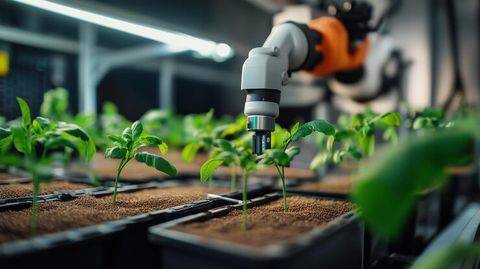
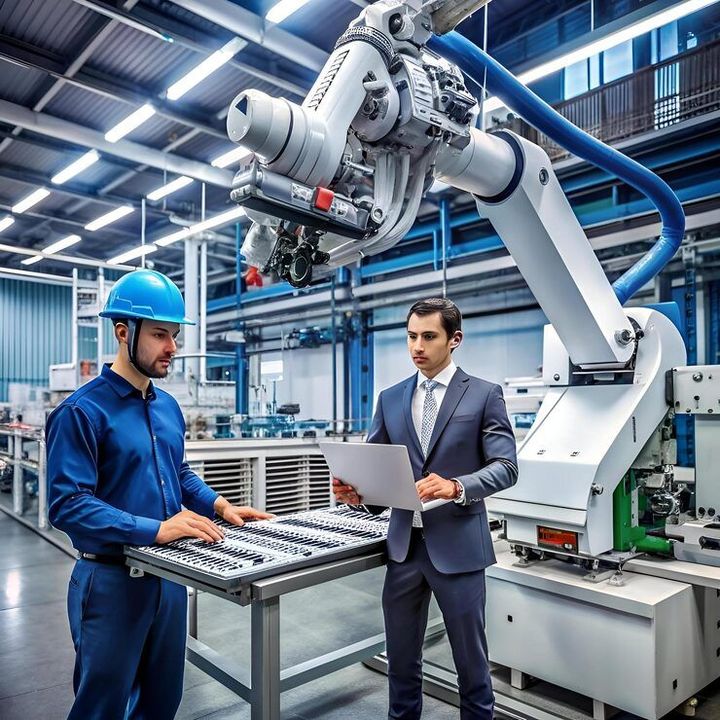
Industrial automation projects refer to the design, development, and implementation of automated systems that control machinery, processes, and production lines with minimal human intervention. These projects exist to improve efficiency, reduce errors, and enhance productivity in industries such as manufacturing, energy, logistics, and pharmaceuticals.
Industrial automation integrates technologies like programmable logic controllers (PLC), supervisory control and data acquisition (SCADA), robotics, sensors, and the industrial Internet of Things (IIoT). The goal is to create systems capable of monitoring, analyzing, and executing operations with precision and consistency.
At a basic level, automation replaces manual processes with automated equipment. At an advanced level, smart factories allow machines to communicate and make decisions based on real-time data.
Why Industrial Automation Projects Matter Today
Industrial automation is crucial in modern industries where efficiency, accuracy, and scalability are essential. Businesses face increasing demand, global competition, and the need for consistent product quality. Automation helps address these challenges effectively.
Key Reasons for Importance
- Improved productivity: Automated systems operate continuously without fatigue
- Enhanced accuracy: Reduces human error in repetitive tasks
- Safety improvements: Minimizes human involvement in hazardous environments
- Data-driven decisions: Real-time data helps optimize processes
- Scalability: Easier to expand production capacity
Industries such as automotive, electronics, food processing, and energy heavily rely on automation. Workers benefit as roles shift from manual labor to technical and supervisory positions.
Recent Updates and Trends in Industrial Automation
Industrial automation has advanced rapidly, driven by digital transformation and smart manufacturing initiatives.
Key Trends in 2024–2025
- AI integration (2025): Machine learning for predictive maintenance and quality control
- Expansion of IIoT systems (2024–2025): Real-time connectivity between machines and cloud platforms
- Collaborative robots adoption (2025): Safe human-robot collaboration on production lines
- Edge computing growth (2025): Faster processing of data at the source
- Energy-efficient automation (2024): Reduced power consumption in industrial systems
Example Comparison of Automation Trends
| Trend | Description | Impact Level |
|---|---|---|
| AI-based Automation | Machine learning for optimization | High |
| IIoT Connectivity | Real-time machine communication | High |
| Collaborative Robotics | Human-robot collaboration | Medium |
| Edge Computing | Local data processing | High |
| Energy Efficiency | Reduced energy usage | Medium |
These trends indicate a move toward intelligent, connected, and sustainable automation systems.
Laws and Policies Affecting Industrial Automation
Industrial automation projects are shaped by government policies, safety regulations, and industry standards. Compliance ensures safe and sustainable operations.
Key Policy Areas in India
- Make in India Initiative: Encourages local manufacturing and adoption of advanced technologies
- Digital India Program: Promotes digital infrastructure and smart system integration
- Industrial Safety Regulations: Ensures safe implementation of automated machinery
- Environmental Guidelines: Focus on energy efficiency and emission reduction
- Standards Compliance: ISO standards for quality, safety, and automation systems
Regulations also guide how data is collected, stored, and utilized in industrial environments.
Tools and Resources for Industrial Automation Projects
A wide range of tools supports the development, implementation, and management of automation projects.
Common Tools
- PLC Programming Software: Controls industrial machines
- SCADA Systems: Monitors and supervises operations
- HMI Design Tools: Builds user interfaces for automation systems
- Simulation Software: Tests automation processes virtually
- Data Analytics Platforms: Analyzes production data
Useful Resources
- Online learning platforms offering automation courses
- Industry documentation and technical manuals
- Engineering templates for project planning
- Open-source libraries for industrial communication protocols
Sample Automation Tool Comparison
| Tool Type | Purpose | Example Use Case |
|---|---|---|
| PLC Software | Machine control | Assembly line automation |
| SCADA System | Monitoring and control | Power plant operations |
| HMI Tools | User interface design | Operator dashboards |
| Simulation Tools | Process testing | Virtual factory modeling |
| Analytics Platforms | Data insights | Predictive maintenance |
These tools streamline project execution and improve system reliability.
FAQs
What are industrial automation projects?
Projects that design and implement automated systems to control industrial processes with minimal human intervention.
What industries use automation projects the most?
Manufacturing, automotive, energy, pharmaceuticals, and logistics industries widely use automation systems.
What skills are required for automation projects?
Key skills include programming, electrical engineering, control systems knowledge, and data analysis.
What is the role of IoT in automation?
IoT enables machines to communicate and share data, improving monitoring, efficiency, and decision-making.
Are automation projects suitable for small industries?
Yes, small industries can adopt basic automation to enhance efficiency and reduce operational errors.
Conclusion
Industrial automation projects are transforming industries by improving efficiency, safety, and productivity. Advancements in AI, IoT, and smart technologies are making automation increasingly intelligent and accessible.
Modern industries adopt automation not only to enhance performance but also to remain competitive in a rapidly evolving global market. Supported by government initiatives and technological innovation, automation projects play a vital role in shaping the future of manufacturing and industrial systems.
Understanding automation fundamentals, tools, and trends helps individuals and organizations make informed decisions and adapt to the changing industrial landscape.