Industrial Automation Sensors: Essential Guide to Modern Smart Manufacturing Systems
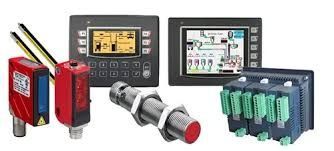
Industrial automation sensors are devices used in manufacturing environments to detect physical changes such as temperature, pressure, motion, distance, or light. These sensors convert physical signals into digital or electrical data that machines and control systems can interpret.
Industrial automation sensors enable machines and systems to monitor physical conditions and respond without constant human intervention. These sensors are integrated with programmable logic controllers (PLCs), industrial networks, and smart manufacturing platforms.
They are essential in modern factories where precision, safety, and efficiency are critical. Without sensors, automated systems would not be able to detect environmental changes or adjust operations effectively.
What Are Industrial Automation Sensors?
Industrial automation sensors are devices that detect physical changes such as temperature, pressure, motion, or proximity. They convert these changes into signals that control systems can process.
These sensors are widely used across industries including robotics, packaging, automotive manufacturing, and semiconductor production. They form the backbone of smart factories and Industry 4.0 systems.
Common Types of Sensors
- Proximity sensors for object detection
- Temperature sensors for heat monitoring
- Pressure sensors for hydraulic and pneumatic systems
- Optical sensors for visual inspection
- Motion sensors for tracking movement
- Level sensors for monitoring materials in tanks and silos
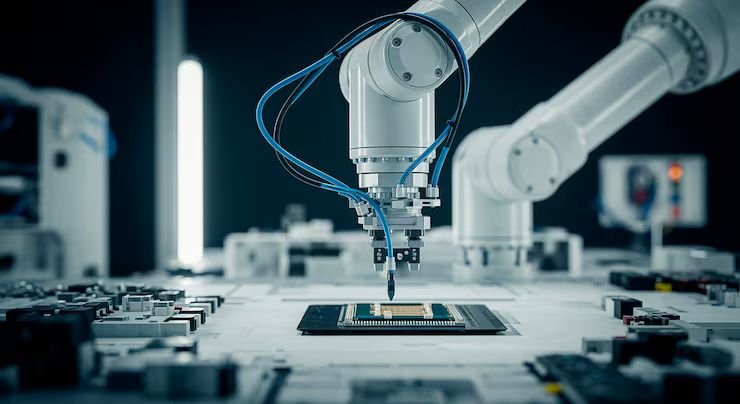
Why Industrial Automation Sensors Matter Today
Industrial automation sensors play a key role in today’s digital and data-driven manufacturing environment. They allow machines to collect real-time data and make automated decisions.
Modern industries depend on sensors to maintain product quality, improve efficiency, and reduce risks. Sensors act as the “eyes and ears” of automated systems.
Key Industry Applications
- Automotive manufacturing for robotic assembly
- Pharmaceutical production for controlled environments
- Semiconductor fabrication for precision processes
- Food processing for hygiene and quality control
- Energy systems for monitoring turbines and pipelines
Benefits of Automation Sensors
- Reduce human error in production
- Detect machine faults early
- Improve workplace safety
- Increase operational efficiency
- Support predictive maintenance and analytics
Recent Updates in Industrial Automation Sensors
Recent advancements in 2025 have significantly improved sensor capabilities and integration. Industrial Internet of Things (IIoT) sensors are now widely used to transmit real-time data across connected systems.
Artificial intelligence is also being integrated into sensor platforms. This enables systems to analyze patterns and predict equipment issues before failures occur.
Key Trends in 2025
- Growth of edge computing sensors for local data processing
- Increased use of machine vision sensors
- Expansion of wireless sensor networks
- Development of energy-efficient sensor technologies
Advancements in Robotics
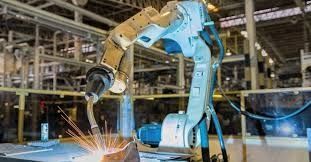
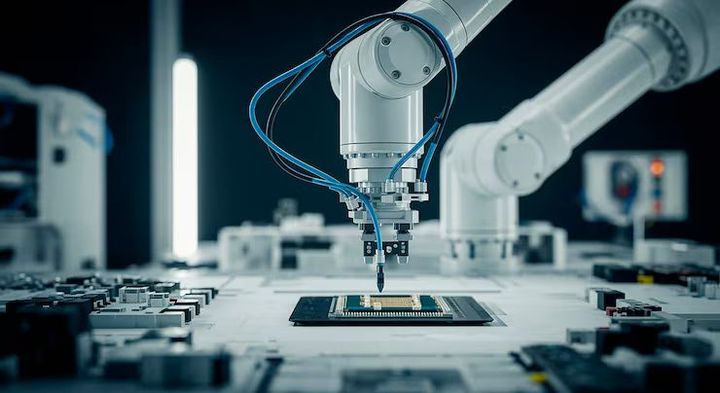
Modern robotic systems now use multiple sensors such as force, vision, and position sensors. This improves precision and flexibility in automated tasks.
Manufacturers are also investing more in smart factory infrastructure to enhance digital production and supply chain resilience.
Regulations and Policies Affecting Sensors
Industrial automation sensors must comply with global safety and quality standards. These regulations ensure safe operation and environmental compliance in manufacturing environments.
Different countries follow specific frameworks to regulate industrial automation systems. These rules help protect workers and maintain consistent production quality.
Key Regulatory Standards
- ISO 9001 for quality management
- IEC standards for industrial safety
- Occupational safety regulations
- Environmental monitoring guidelines
Global Policy Examples
- European Union machinery safety directives
- United States workplace safety regulations
- Asian smart manufacturing initiatives
Tools and Resources for Sensor Systems
Engineers use various tools to design and manage industrial sensor systems. These tools help monitor performance and optimize production processes.
Digital communication standards also enable seamless interaction between sensors and control systems.
Common Engineering Tools
- PLC programming platforms
- Industrial IoT dashboards
- Sensor configuration software
- Machine monitoring systems
- Digital twin simulation tools
- Predictive maintenance platforms
Communication Protocols
- OPC UA
- Industrial Ethernet
- Modbus
- Fieldbus systems
Sensor Types and Applications
| Sensor Type | Function | Common Industrial Application |
|---|---|---|
| Proximity Sensor | Detects objects without contact | Assembly line automation |
| Temperature Sensor | Measures heat levels | Chemical processing plants |
| Pressure Sensor | Monitors pressure levels | Hydraulic systems |
| Optical Sensor | Detects visual changes | Quality inspection systems |
| Level Sensor | Measures material levels | Tanks and silos |
This table highlights how different sensors are applied across industries to support automation and monitoring.
Sensor Data Flow in Smart Factories
Industrial sensor systems operate within layered architectures that manage data flow efficiently. Each layer plays a role in collecting, processing, and optimizing production data.
System Layers
| System Layer | Function |
|---|---|
| Sensor Layer | Collects physical data |
| Control Layer | Processes data using PLCs |
| Data Layer | Stores and analyzes information |
| Decision Layer | Optimizes production processes |
This structure allows factories to respond quickly to changing conditions and maintain efficient operations.
Frequently Asked Questions
What are industrial automation sensors used for?
Industrial automation sensors detect physical conditions and provide data for automated systems. This enables machines to operate with minimal human intervention.
What industries rely on industrial sensors?
Industries such as automotive, electronics, pharmaceuticals, food processing, energy, and logistics rely heavily on sensors. These sectors require accurate and continuous monitoring.
How do sensors support smart manufacturing?
Sensors provide real-time data that helps systems adjust operations and improve efficiency. They also enable predictive maintenance and performance tracking.
What is the difference between industrial and consumer sensors?
Industrial sensors are designed for harsh environments and continuous use. They are more durable and precise compared to consumer-grade sensors.
Are automation sensors part of IIoT?
Yes, many modern sensors are connected to Industrial Internet of Things systems. They transmit data to cloud platforms and analytics tools.
Key Insights on Sensor Technology
Industrial automation sensors have evolved beyond simple monitoring devices. They now support advanced technologies such as AI, machine learning, and predictive maintenance.
Modern factories deploy thousands of sensors to ensure efficient and safe operations. These systems enable data-driven decision-making and continuous improvement.
Key Advantages
- Maintain consistent product quality
- Improve operational efficiency
- Enhance workplace safety
- Reduce downtime
- Enable smart manufacturing strategies
Conclusion
Industrial automation sensors are essential components of modern manufacturing systems. They provide real-time data that enables automation, efficiency, and safety.
With advancements in IIoT, AI, and edge computing, sensor technology continues to evolve rapidly. These innovations will play a critical role in shaping the future of smart factories and digital manufacturing.