Industrial Carding Machines Guide: How They Work, Types, Benefits, and Textile Applications
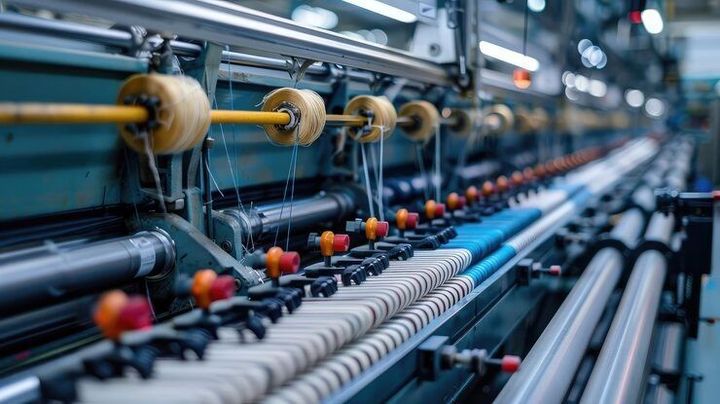
Industrial carding machines are textile processing machines designed to separate tangled fibers into individual fibers while removing impurities and arranging them in a parallel direction. This preparation improves the quality of yarn produced during spinning.
The carding process has been an essential part of textile manufacturing for centuries. Modern industrial machines perform this process automatically with high precision and consistency, helping textile manufacturers maintain product quality across large production volumes.
Why Were They Developed?
Raw fibers collected from natural or synthetic sources often contain dirt, short fibers, knots, and irregularities. These materials cannot move directly into spinning.
Industrial carding machines were developed to:
- Clean raw fibers.
- Separate tangled fiber bundles.
- Align fibers uniformly.
- Remove impurities.
- Prepare fibers for spinning.
Without proper carding, yarn quality becomes inconsistent, reducing fabric performance and durability.
Basic Working Principle
The machine uses several rotating cylinders covered with fine metallic wire clothing.
The process generally includes:
- Feeding raw fibers into the machine.
- Opening compressed fiber masses.
- Removing dust and unwanted particles.
- Separating individual fibers.
- Aligning fibers into a thin web.
- Delivering a continuous sliver for the next production stage.
Modern automation allows this process to operate with consistent speed and improved accuracy.
Importance – Why Industrial Carding Machines Matter Today
The textile industry continues to expand as demand grows for clothing, technical textiles, medical fabrics, automotive materials, filtration products, and sustainable fiber solutions.
Industrial carding machines help manufacturers achieve:
- Better fiber alignment.
- Improved yarn strength.
- Consistent fabric quality.
- Reduced fiber waste.
- Higher production efficiency.
- Better processing of blended fibers.
Industries That Depend on Carding Machines
Industrial carding machines are widely used in:
- Cotton textile manufacturing
- Wool processing
- Nonwoven fabric production
- Medical textile manufacturing
- Automotive textile production
- Home furnishing textiles
- Technical textiles
- Recycling fiber industries
Benefits of Modern Carding Technology
| Benefit | Description |
|---|---|
| Better Fiber Quality | Removes impurities before spinning |
| Uniform Sliver | Creates consistent fiber alignment |
| Higher Productivity | Continuous automated operation |
| Reduced Waste | Improves raw material utilization |
| Improved Yarn Quality | Supports stronger and smoother yarn |
| Flexible Processing | Handles natural and synthetic fibers |
These advantages make industrial carding machines one of the most valuable technologies in textile manufacturing.
Recent Updates – Trends in Industrial Carding Machines
The textile machinery sector has experienced several technological improvements during 2025 and 2026.
Greater Automation
Manufacturers increasingly use intelligent monitoring systems that automatically adjust machine settings according to fiber characteristics, reducing manual intervention.
Energy-Efficient Equipment
New machine designs focus on reducing electricity consumption while maintaining production efficiency. Improved motor technologies and optimized airflow systems contribute to lower energy usage.
Digital Production Monitoring
Many modern carding systems now integrate with factory monitoring platforms that collect operational data, helping operators identify maintenance needs and improve production planning.
Growth of Recycled Fiber Processing
As sustainability continues to influence textile manufacturing throughout 2025, more carding machines are being optimized for recycled cotton, recycled polyester, and blended fibers.
Improved Fiber Cleaning Technology
Recent innovations include enhanced cleaning units capable of removing fine contaminants while minimizing fiber damage.
Smart Maintenance Features
Predictive maintenance technologies use sensors to detect wear on machine components before performance declines, helping reduce unexpected downtime.
Laws or Policies Affecting Industrial Carding Machines
Industrial carding machines operate within broader manufacturing and workplace regulations that vary by country.
Workplace Safety Regulations
Textile factories generally follow occupational safety requirements covering:
- Machine guarding
- Emergency stop systems
- Worker training
- Personal protective equipment
- Safe maintenance procedures
These measures help reduce workplace risks.
Environmental Regulations
Many countries encourage manufacturers to reduce:
- Airborne fiber emissions
- Dust generation
- Industrial waste
- Energy consumption
- Noise pollution
Modern machinery often incorporates dust extraction and energy-saving technologies to support environmental compliance.
Quality Standards
Textile manufacturers commonly follow internationally recognized quality management systems to maintain consistent production and product reliability.
Sustainability Programs
Many governments continue encouraging:
- Recycling initiatives
- Circular textile manufacturing
- Reduced environmental impact
- Efficient resource utilization
These programs support the adoption of cleaner textile production methods.
Tools and Resources for Industrial Carding Machines
Several resources help professionals understand, monitor, and improve carding operations.
Production Monitoring Tools
Useful manufacturing software may include:
- Machine performance dashboards
- Production tracking systems
- Equipment monitoring platforms
- Digital maintenance records
Maintenance Planning Templates
Factories often use:
- Preventive maintenance schedules
- Daily inspection checklists
- Lubrication records
- Component replacement logs
Quality Measurement Resources
Helpful quality control tools include:
- Fiber testing equipment
- Yarn quality analyzers
- Moisture measurement devices
- Production reporting templates
Educational Learning Resources
People interested in textile manufacturing can benefit from:
- Textile engineering textbooks
- Manufacturing training materials
- Technical industry publications
- Industrial safety manuals
- Engineering learning platforms
Operational Calculators
Common production calculators help estimate:
- Machine efficiency
- Production output
- Fiber utilization
- Maintenance intervals
- Energy consumption
These resources support better planning and continuous improvement in textile production.
Frequently Asked Questions
What is the main purpose of an industrial carding machine?
The primary purpose is to clean, separate, align, and prepare fibers before spinning. This improves yarn consistency and overall textile quality.
Which fibers can industrial carding machines process?
They can process many materials, including cotton, wool, polyester, viscose, recycled fibers, and various blended textile fibers.
Why is fiber alignment important?
Aligned fibers create stronger, smoother, and more uniform yarn, resulting in better-quality fabrics with improved durability.
Are industrial carding machines fully automated?
Many modern systems include advanced automation features such as automatic feeding, digital monitoring, sensor-based adjustments, and predictive maintenance technologies.
How does carding improve textile production?
Carding removes impurities, reduces fiber irregularities, improves fiber orientation, increases production consistency, and prepares fibers for efficient spinning.
Conclusion
Industrial carding machines remain one of the most important technologies in modern textile manufacturing. By cleaning, separating, and aligning fibers before spinning, they create the foundation for producing consistent, high-quality yarn and fabric.