Industrial Cleaning Equipment Insights: Explore Advanced Solutions for Large Facilities
Industrial cleaning equipment refers to specialized machines and tools designed to maintain cleanliness, hygiene, and safety in large facilities such as factories, warehouses, airports, hospitals, and manufacturing plants. Unlike household cleaning tools, industrial systems are engineered to handle large floor areas, heavy debris, chemical residues, and strict sanitation requirements.
Modern industries rely on advanced cleaning machines because large operational spaces accumulate dust, oils, industrial waste, and contaminants. Manual cleaning methods are often inefficient for such environments. Industrial cleaning equipment ensures systematic and consistent cleaning across large areas.
Common categories of industrial cleaning equipment include:
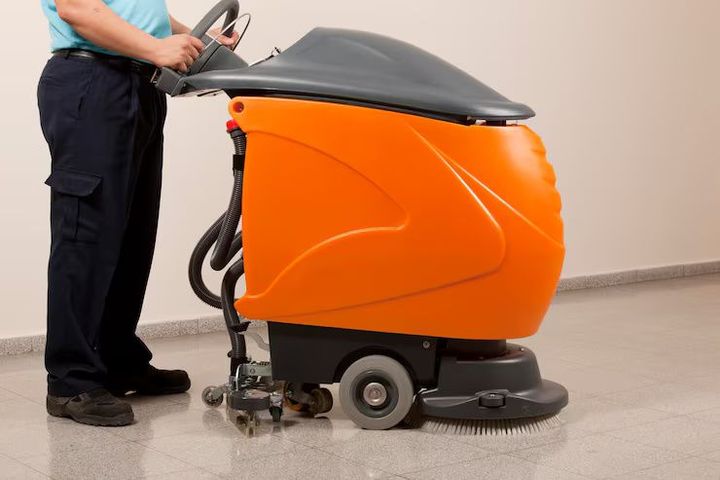
- Industrial floor scrubbers
- Ride-on sweepers
- High-pressure cleaning machines
- Industrial vacuum systems
- Steam cleaning equipment
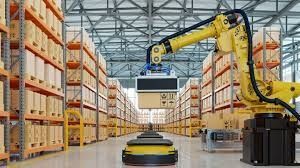
- Automated floor cleaning robots
These machines are widely used in sectors such as logistics, healthcare, automotive manufacturing, food processing, and commercial infrastructure. They are typically integrated into facility maintenance programs to maintain hygiene standards and support safety compliance.
Why Industrial Cleaning Equipment Matters in Modern Facilities
Maintaining cleanliness in industrial facilities goes beyond appearance. It directly impacts operational safety, employee health, and equipment performance. Contaminants such as chemicals, dust, and oil spills can create serious risks if not properly managed.
Industrial cleaning equipment helps address key challenges:
- Reducing workplace hazards like slippery floors and dust exposure
- Maintaining hygiene in regulated industries
- Preventing damage to machinery caused by debris
- Improving indoor air quality
- Supporting efficiency in high-traffic environments
Industry Applications of Cleaning Equipment
Different industries require specialized cleaning approaches based on their operational needs. Large facilities often operate continuously, making efficient cleaning systems essential.
| Industry Sector | Cleaning Requirement |
|---|---|
| Manufacturing Plants | Removal of metal dust, oils, and debris |
| Warehouses & Logistics Centers | Large surface floor cleaning |
| Food Processing Facilities | Sanitation and contamination control |
| Hospitals & Healthcare Centers | Infection prevention |
| Airports & Transportation Hubs | Continuous maintenance of floors |
Automated equipment allows cleaning tasks to be performed during off-peak hours or alongside daily operations. This minimizes disruptions and improves productivity.
Recent Developments in Industrial Cleaning Technology
Industrial cleaning technology has advanced significantly in recent years. Innovations in 2024 and 2025 have focused on automation, efficiency, and sustainability.
Key Technology Trends
Modern facilities are adopting smart and automated solutions to improve cleaning operations:
- AI-enabled robotic floor scrubbers with autonomous navigation
- Industrial IoT systems for performance monitoring
- Water recycling systems in pressure cleaning machines
- Battery-powered machines replacing fuel-based equipment
- UV sanitation systems in healthcare and laboratories
Technology Evolution Comparison
| Feature | Traditional Systems | Modern Systems |
|---|---|---|
| Power Source | Fuel-based | Lithium battery |
| Monitoring | Manual inspection | IoT-based monitoring |
| Navigation | Operator-controlled | Autonomous navigation |
| Water Usage | High consumption | Optimized recycling systems |
These developments improve efficiency while supporting environmental sustainability. They also reduce risks associated with manual cleaning processes.
Regulations and Policies Influencing Industrial Cleaning
Industrial cleaning practices are governed by safety and environmental regulations. These regulations ensure safe working conditions and responsible resource usage.
Key Regulatory Frameworks
Different regions have specific regulatory bodies that influence cleaning practices:
- United States: OSHA guidelines for workplace safety
- European Union: REACH and RoHS regulations for chemicals and materials
- India: Factories Act and Central Pollution Control Board (CPCB) standards
Regulatory Focus Areas
- Safe handling and storage of chemicals
- Industrial waste management
- Control of airborne dust and particles
- Equipment safety standards
- Environmental impact reduction
Compliance with these standards protects both workers and the environment while ensuring operational reliability.
Helpful Tools and Resources for Facility Maintenance
Efficient cleaning in large facilities requires proper planning and monitoring. Digital tools play a key role in managing cleaning operations effectively.
Common Maintenance Tools
- Facility management software
- Cleaning schedule planning tools
- Asset maintenance tracking systems
- Environmental monitoring dashboards
- Energy consumption tracking systems
Digital Solutions Used in Facilities
- Computerized Maintenance Management Systems (CMMS)
- Industrial equipment monitoring software
- Building Management Systems (BMS)
- Workplace safety compliance platforms
Example Cleaning Schedule Template
| Task | Frequency | Equipment Type |
|---|---|---|
| Warehouse floor cleaning | Daily | Ride-on floor scrubber |
| Dust removal from production lines | Weekly | Industrial vacuum |
| Oil spill cleanup | As needed | Pressure cleaning machine |
| Sanitation of food processing areas | Multiple times daily | Steam cleaning equipment |
Facilities also use sensor-based systems to monitor air quality and environmental conditions. These insights help determine cleaning schedules more effectively.
Frequently Asked Questions
What is industrial cleaning equipment used for?
Industrial cleaning equipment is used to remove debris, dust, contaminants, and spills in large facilities such as factories, warehouses, hospitals, and transportation hubs.
How is industrial cleaning different from regular cleaning?
Industrial cleaning focuses on large-scale environments and uses specialized machines designed for heavy-duty tasks and strict hygiene requirements.
What types of machines are commonly used?
Common machines include floor scrubbers, industrial vacuums, pressure washers, ride-on sweepers, and steam cleaning equipment.
Why is automation important in cleaning equipment?
Automation improves efficiency, reduces manual labor, and allows cleaning operations to continue without disrupting facility activities.
How do regulations affect cleaning practices?
Regulations ensure safe chemical usage, proper waste management, and adherence to workplace hygiene and environmental standards.
Additional Insights into Industrial Cleaning Operations
Facility maintenance teams often rely on performance metrics to evaluate cleaning effectiveness. These metrics help identify areas for improvement and optimize resource usage.
Key Performance Indicators
- Floor cleanliness rating scores
- Equipment downtime tracking
- Water consumption levels
- Energy usage monitoring
Cleaning Priority Levels
| Cleaning Priority | Impact Level |
|---|---|
| Safety hazard removal | High |
| Hygiene and sanitation | High |
| Dust and air quality control | Medium |
| Appearance and presentation | Medium |
Priorities vary depending on the industry and operational requirements. Sectors like healthcare and food processing maintain stricter sanitation standards.
Conclusion
Industrial cleaning equipment plays a critical role in maintaining safe and efficient work environments. These machines help organizations meet hygiene standards, improve productivity, and reduce risks.
Technological advancements such as automation, smart monitoring, and energy-efficient systems are transforming cleaning operations. These innovations support sustainability while improving performance.
As industries continue to grow, industrial cleaning technology will remain essential for maintaining safety, compliance, and operational excellence.