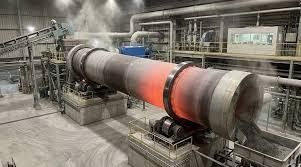
Modern industries depend on electrical frameworks to operate machinery, maintain safety standards, distribute power efficiently, and support automated production systems. Without organized electrical structures, industrial operations would face interruptions, equipment failures, and increased safety risks.
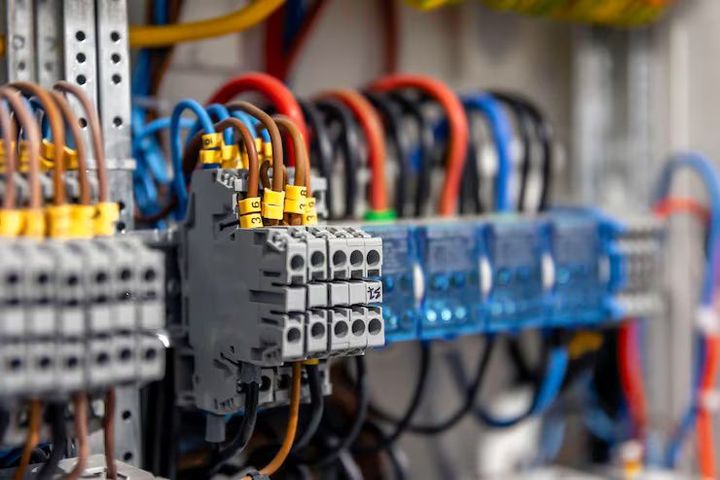
Industrial electrical frameworks include several connected components such as:
-
Power distribution systems
-
Control panels
-
Circuit protection devices
-
Industrial automation equipment
-
Sensors and monitoring systems
-
Backup power systems
-
Electrical grounding systems
The development of industrial electrical systems has evolved rapidly due to the growth of automation, renewable energy integration, and smart factory technologies.
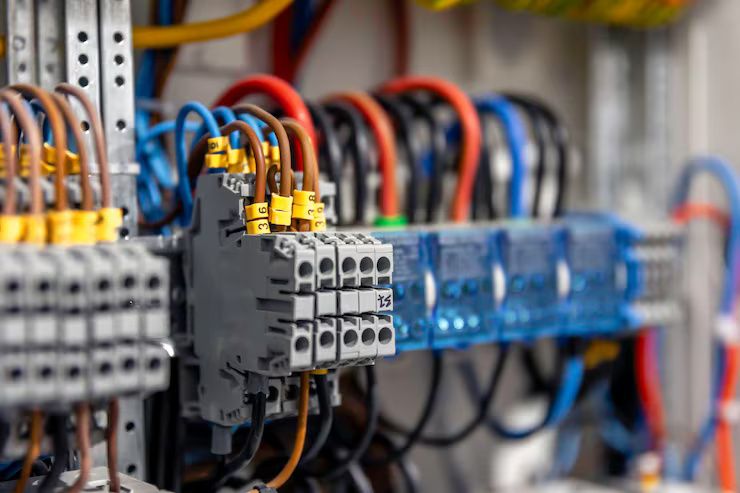
Why Industrial Electrical Frameworks Matter Today
Industrial electrical systems are important because industries rely heavily on uninterrupted electrical operations. From manufacturing to logistics, modern infrastructure depends on efficient electrical management.
Key Benefits of Industrial Electrical Frameworks
| Area | Importance |
|---|
| Safety | Reduces electrical hazards and operational risks |
| Productivity | Supports continuous machine operations |
| Energy Efficiency | Helps optimize power consumption |
| Automation | Enables smart manufacturing technologies |
| Monitoring | Allows real-time system diagnostics |
| Reliability | Minimizes downtime and equipment failure |
Industries using advanced electrical frameworks often achieve better operational stability and improved energy management. Smart electrical systems also help organizations track performance data and identify maintenance requirements before failures occur.
In sectors such as automotive manufacturing, pharmaceuticals, mining, and food processing, electrical reliability directly impacts production efficiency and workplace safety.
Industrial Automation and Smart Infrastructure Trends
Industrial electrical frameworks are changing due to rapid digital transformation. In recent years, industries have increasingly adopted smart technologies to improve performance and sustainability.
Major Trends in 2025
Smart Grid Integration
Factories are increasingly connecting with smart grid technologies to improve electricity management. Smart grids allow facilities to monitor energy consumption in real time and reduce unnecessary power usage.
Industrial Internet of Things (IIoT)
IIoT devices help industrial systems communicate through connected sensors and monitoring equipment. These systems provide predictive maintenance alerts and equipment performance insights.
Renewable Energy Integration
Many industrial facilities are integrating solar power systems and energy storage technologies into electrical frameworks. This trend has increased due to sustainability goals and rising energy demand.
AI-Based Monitoring Systems
Artificial intelligence is now used for detecting electrical anomalies, improving energy efficiency, and reducing equipment downtime.
Cybersecurity for Industrial Control Systems
As industrial systems become more connected, cybersecurity has become a major priority. Electrical control systems now include advanced network protection measures.
Recent Updates in Industrial Electrical Systems
The industrial electrical sector has experienced several important developments during 2025.
Energy Efficiency Regulations Expanded
In early 2025, multiple countries introduced updated industrial energy efficiency standards focused on reducing industrial electricity waste and improving sustainability reporting.
Growth of Smart Manufacturing
According to manufacturing technology reports published in 2025, smart factories using connected electrical frameworks continue to increase globally, especially in Asia-Pacific and Europe.
Increased Investment in Grid Modernization
Governments and infrastructure organizations expanded investments in grid modernization programs during 2024–2025 to improve industrial power reliability and renewable energy compatibility.
Rising Adoption of Digital Twin Technology
Industrial operators increasingly use digital twins to simulate electrical systems virtually before implementing infrastructure changes.
Industrial Electrical Components Explained
Industrial electrical frameworks consist of several interconnected systems that work together to maintain operations.
Power Distribution Units
Power distribution systems transfer electricity from the main supply source to machinery and operational equipment.
Motor Control Centers
Motor control centers manage industrial motors, pumps, conveyors, and automated systems.
Programmable Logic Controllers (PLCs)
PLCs are computer-based controllers that automate industrial processes.
Circuit Protection Equipment
Protective devices such as breakers and relays help prevent overloads and electrical faults.
Industrial Sensors
Sensors monitor temperature, voltage, pressure, and machine performance across industrial facilities.
Safety and Risk Management in Electrical Frameworks
Safety remains one of the most important aspects of industrial electrical systems. Electrical hazards can cause operational damage, fire risks, and workplace injuries.
Common Safety Measures
-
Proper grounding systems
-
Arc flash protection
-
Electrical insulation monitoring
-
Emergency shutdown systems
-
Routine maintenance inspections
-
Thermal imaging inspections
Industries often implement preventive maintenance strategies to reduce electrical system failures and improve equipment lifespan.
Government Rules and Industrial Electrical Policies
Industrial electrical frameworks are heavily influenced by regulations and compliance standards. Governments and international organizations establish safety and operational guidelines to protect workers and infrastructure.
Common Regulatory Areas
Electrical Safety Standards
Countries often follow electrical standards developed by organizations such as:
-
International Electrotechnical Commission (IEC)
-
National Fire Protection Association (NFPA)
-
Occupational Safety and Health Administration (OSHA)
-
International Organization for Standardization (ISO)
Energy Efficiency Policies
Many governments now require industries to improve energy efficiency and reduce carbon emissions through updated infrastructure planning.
Environmental Compliance
Industrial facilities may need to comply with environmental reporting regulations related to energy usage and emissions.
Smart Infrastructure Programs
Some governments provide infrastructure modernization initiatives encouraging digital monitoring and automation adoption.
Helpful Tools and Resources for Industrial Electrical Systems
Many digital tools help engineers, facility managers, and industrial operators monitor and maintain electrical systems effectively.
Monitoring and Diagnostic Tools
-
SCADA systems
-
Energy monitoring dashboards
-
Thermal imaging equipment
-
Electrical load analyzers
Design and Planning Software
-
AutoCAD Electrical
-
ETAP
-
MATLAB Simulink
-
SolidWorks Electrical
Educational Resources
-
IEEE educational materials
-
Industrial safety manuals
-
Government electrical code documentation
-
Technical engineering journals
Mobile Applications
Some industrial maintenance applications help technicians inspect systems, monitor alerts, and track equipment conditions remotely.
Industrial Electrical Framework Challenges
Despite technological progress, industries still face several challenges in maintaining modern electrical frameworks.
Aging Infrastructure
Older facilities may operate with outdated electrical systems that require modernization.
Increasing Energy Demand
Industrial operations continue to consume more electricity due to automation growth and data-intensive processes.
Skilled Workforce Gaps
Many regions experience shortages of qualified electrical engineers and industrial maintenance specialists.
Cybersecurity Risks
Connected industrial systems face increasing cybersecurity threats targeting operational technology networks.
Future of Industrial Electrical Frameworks
The future of industrial electrical systems will likely focus on automation, sustainability, and intelligent monitoring technologies.
Emerging technologies expected to shape future frameworks include:
-
AI-driven predictive maintenance
-
Advanced energy storage systems
-
Hydrogen-based industrial power solutions
-
Smart microgrids
-
Edge computing for industrial operations
-
Autonomous industrial monitoring systems
As industries continue modernizing, electrical frameworks will become more data-driven and energy-efficient.
Frequently Asked Questions
What is an industrial electrical framework?
An industrial electrical framework is a structured system used to manage electricity, automation, safety equipment, and power distribution in industrial facilities.
Why are industrial electrical systems important?
They support operational reliability, workplace safety, automation, and efficient energy management in industries.
What industries use industrial electrical frameworks?
Manufacturing, mining, logistics, oil and gas, pharmaceuticals, automotive production, and food processing industries all rely on industrial electrical systems.
What are PLCs in industrial systems?
Programmable Logic Controllers (PLCs) are digital controllers used to automate industrial machinery and operational processes.
How do smart technologies improve industrial electrical systems?
Smart technologies provide real-time monitoring, predictive maintenance, energy optimization, and automated system control.
Conclusion
Industrial electrical frameworks form the foundation of modern industrial operations. These systems support automation, power management, safety, and infrastructure reliability across multiple industries.
As technology evolves, industrial electrical systems are becoming smarter, more efficient, and increasingly connected through digital monitoring and automation tools. Recent developments in renewable energy integration, AI-driven diagnostics, and smart infrastructure continue transforming how industries manage electrical operations.
Understanding industrial electrical frameworks helps businesses, engineers, and infrastructure planners improve operational performance while adapting to changing industrial and environmental requirements.