Industrial Electrical Machines Knowledge: Electromagnetic Theory in Practice
Industrial electrical machines are devices that convert electrical energy into mechanical energy, mechanical energy into electrical energy, or transform electrical power from one form to another. Common examples include motors, generators, and transformers. These machines exist because modern industries depend on efficient energy conversion to operate equipment, transport materials, and supply power.
Industrial electrical machines are built on the principles of electromagnetic theory, which explains how electric currents and magnetic fields interact. These interactions enable machines to generate motion, produce electricity, and regulate power.
Over time, industries shifted from mechanical power sources like steam and water to electrically driven systems. This transition improved efficiency, control, and scalability, making electrical machines essential in modern infrastructure.
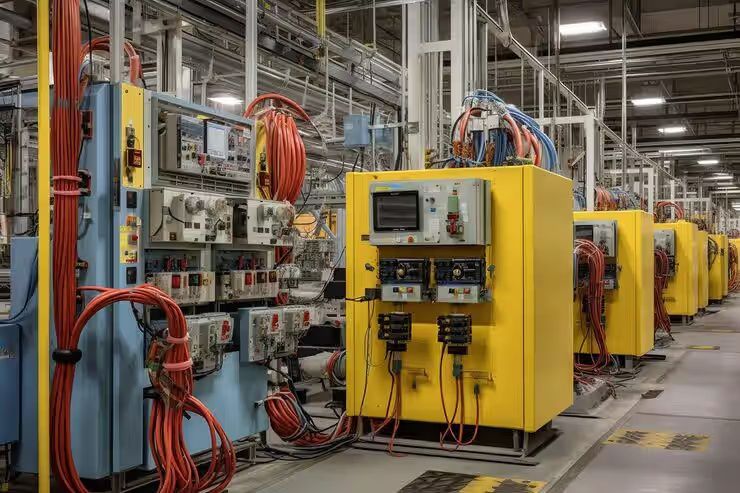
Importance: Why Electromagnetic Theory Matters in Practice
Role in Modern Industry
Electromagnetic theory is not just theoretical; it directly influences how machines operate in real-world environments. Proper application ensures reliable and efficient performance.
Who This Topic Affects
- Engineers designing electrical systems
- Technicians working with motors and generators
- Students learning engineering fundamentals
- Industries relying on automation and power systems
Problems It Helps Solve
- Efficient energy conversion with minimal losses
- Controlled motion and torque generation
- Stable power generation and distribution
- Reduction of overheating and mechanical stress
Incorrect application can lead to inefficiency, vibration, and early equipment failure.
Core Principles of Electromagnetic Theory
Key Concepts Explained
- Magnetic fields: Produced when electric current flows through conductors
- Electromagnetic induction: Voltage generated by changing magnetic fields
- Lorentz force: Force acting on a conductor in a magnetic field
These principles form the foundation of motors, generators, and transformers.
How Machines Use These Principles
- Motors convert electrical energy into mechanical motion
- Generators convert mechanical motion into electrical energy
- Transformers transfer energy between circuits using magnetic fields
Common Electrical Machines and Their Functions
| Machine Type | Main Function | Typical Application |
|---|---|---|
| Electric motor | Electrical to mechanical energy | Manufacturing equipment |
| Generator | Mechanical to electrical energy | Power generation systems |
| Transformer | Adjusts voltage and current levels | Power transmission networks |
| Induction machine | Motion through magnetic fields | Industrial drives |
| Synchronous machine | Constant speed operation | Grid-connected systems |
These machines apply electromagnetic theory to perform essential industrial tasks.
From Theory to Practice
Design Considerations
Applying electromagnetic principles requires careful engineering:
- Selection of core materials to reduce energy losses
- Proper winding arrangements for field control
- Efficient cooling systems to manage heat
These factors ensure reliable and efficient machine performance.
Recent Developments (2024–2025)
Efficiency Improvements
New motor designs focus on reducing electromagnetic losses through advanced materials.
Simulation Technologies
Electromagnetic modeling tools are widely used to predict machine behavior before manufacturing.
Condition Monitoring
Sensors now track parameters such as temperature, vibration, and magnetic flux for predictive maintenance.
Energy Transition Alignment
Electrical machines are increasingly optimized for renewable energy systems and modern power grids.
Laws, Regulations, and Standards
Key Regulatory Areas
- Electrical safety and insulation standards
- Energy efficiency requirements
- Noise and vibration limits
- Compliance testing and documentation
Governing Bodies
- International Organization for Standardization (ISO)
- Occupational Safety and Health Administration (USA)
These standards ensure safe and reliable machine operation.
Tools and Resources
Practical Tools
- Electromagnetic simulation software
- Multimeters and power analyzers
- Technical reference guides
- Laboratory training systems
These resources help bridge theoretical concepts with real-world applications.
FAQs
What is the role of electromagnetic theory?
It explains how electrical and magnetic interactions produce motion and electricity in machines.
Are motors and generators based on the same principle?
Yes, both use electromagnetic induction but perform opposite energy conversions.
Why do machines generate heat?
Heat is produced due to electrical resistance and magnetic losses.
Do all machines use AC?
Many use alternating current, but some applications require direct current.
How does theory improve reliability?
It helps optimize design and prevent conditions that cause failure or inefficiency.
Conclusion
Industrial electrical machines are practical applications of electromagnetic theory that power modern industries and infrastructure. Motors, generators, and transformers rely on controlled interactions between electric currents and magnetic fields.
Recent advancements in efficiency, simulation, and monitoring demonstrate ongoing innovation in this field. Regulatory standards ensure safe and effective implementation.
Understanding how electromagnetic theory translates into real-world machines provides valuable insight into the systems that support production, energy, and transportation worldwide.