Industrial Furnaces: Types, Uses, Benefits and Industry Trends
Industrial furnaces are specialized heating systems used in manufacturing and processing industries to generate extremely high temperatures. These systems are designed to heat, melt, harden, dry, or treat various materials such as metals, ceramics, glass, and chemicals.
The history of industrial furnaces dates back centuries when simple kilns and furnaces were used for metalworking. As industries evolved, the need for more precise temperature control, energy efficiency, and large-scale production led to the development of advanced furnace technologies.
Today, industrial furnaces play a critical role in modern manufacturing. They are used in industries ranging from automotive and aerospace to construction, mining, and electronics. Their primary purpose is to ensure materials achieve specific physical and chemical properties required for production processes.
Common Types of Industrial Furnaces
Industrial furnaces come in various designs depending on the application and heating requirements.
| Furnace Type | Primary Application | Temperature Range |
|---|---|---|
| Batch Furnace | Heat treatment of metals | Medium to High |
| Continuous Furnace | Mass production processes | Medium to Very High |
| Electric Furnace | Precision heating operations | Medium to High |
| Gas-Fired Furnace | Large industrial heating | High |
| Induction Furnace | Metal melting and refining | Very High |
| Vacuum Furnace | Aerospace and specialty metals | High |
| Rotary Furnace | Recycling and material processing | Medium to High |
Batch furnaces process materials in separate loads, while continuous furnaces allow products to move through the heating chamber without interruption.
Electric furnaces provide accurate temperature control and are widely used where precision is essential. Gas-fired furnaces remain popular in heavy manufacturing due to their ability to generate high temperatures efficiently.
Vacuum furnaces operate in oxygen-free environments, reducing contamination and improving product quality. Induction furnaces use electromagnetic energy to heat metals rapidly and efficiently.
Key Applications Across Industries
Industrial furnaces support a wide range of manufacturing operations.
In the metal industry, furnaces are used for melting, forging, annealing, tempering, and heat treatment. These processes improve material strength, hardness, and durability.
The automotive sector relies on industrial heating systems to manufacture engine components, gears, bearings, and structural parts.
Glass manufacturers use furnaces to melt raw materials and shape glass products. Ceramic industries depend on high-temperature kilns and furnaces to strengthen products and achieve desired finishes.
Chemical processing facilities use furnaces for thermal reactions, material drying, and production processes requiring controlled heat.
The aerospace industry utilizes advanced furnace technologies for producing high-performance components capable of withstanding extreme operating conditions.
Why Industrial Furnaces Matter Today
Industrial furnaces remain one of the most important technologies in global manufacturing. Without them, many products used in daily life would be impossible to produce.
Their importance extends beyond production alone. Modern furnace systems contribute to:
- Improved manufacturing efficiency
- Better product quality
- Consistent material properties
- Reduced production waste
- Enhanced process control
- Greater operational reliability
As industries face increasing demands for sustainability and efficiency, furnace technology continues to evolve.
Energy consumption remains a major concern for manufacturers. Advanced industrial heating systems are helping organizations reduce energy usage while maintaining productivity.
The impact of industrial furnaces can be seen across infrastructure development, transportation, renewable energy production, electronics manufacturing, and industrial automation.
Benefits of Modern Industrial Furnace Technology
Modern industrial furnaces offer numerous advantages compared to older heating systems.
One major benefit is temperature accuracy. Advanced control systems allow operators to maintain precise heating conditions throughout the production process.
Automation is another significant advantage. Many furnace systems now feature digital monitoring, remote controls, and data-driven process management.
The following chart illustrates the key areas where modern furnace technologies deliver improvements:
| Performance Area | Typical Improvement |
| Energy Efficiency | High |
| Temperature Control | Very High |
| Process Consistency | High |
| Product Quality | High |
| Emission Reduction | Moderate to High |
| Operational Monitoring | Very High |
Improved insulation materials and heat recovery technologies also help reduce energy losses.
These advancements support more sustainable manufacturing practices while improving production performance.
Recent Industry Trends and Developments
The industrial furnace sector has experienced several important developments over the past year.
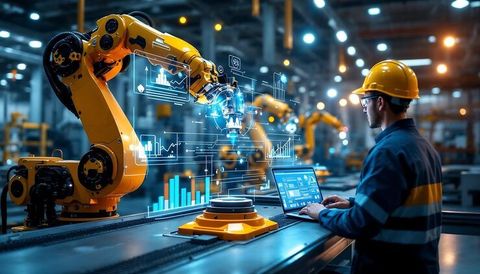
During 2025 and early 2026, manufacturers increasingly adopted smart furnace technologies that use sensors, automation systems, and data analytics to optimize performance.
Artificial intelligence and predictive maintenance have become growing trends. These technologies help identify potential equipment issues before failures occur, reducing downtime and improving reliability.
Another significant trend is electrification. Many industries are exploring electric furnace solutions as part of broader efforts to reduce carbon emissions and support sustainability objectives.
Hydrogen-based heating technologies also gained attention throughout 2025. Research and pilot projects are investigating how hydrogen can be integrated into industrial heating applications to reduce environmental impact.
Digital twin technology has emerged as another innovation. Manufacturers can create virtual models of furnace systems to simulate operations, improve efficiency, and test process changes before implementation.
Energy recovery systems continue to receive increased investment as organizations seek to maximize efficiency and lower energy consumption.
These developments reflect a broader industry shift toward intelligent, connected, and environmentally responsible manufacturing technologies.
Regulations and Policy Considerations
Industrial furnace operations are influenced by various regulations related to environmental protection, workplace safety, and energy efficiency.
Many countries have established emissions standards that limit pollutants generated during industrial heating processes. These standards encourage manufacturers to adopt cleaner technologies and improve combustion efficiency.
Environmental regulations often focus on reducing greenhouse gas emissions and improving air quality.
Workplace safety regulations require proper furnace installation, operator training, maintenance procedures, and emergency response systems.
Energy efficiency frameworks also influence furnace design and operation. Governments increasingly promote technologies that reduce energy consumption and support sustainable manufacturing.
In many regions, industrial facilities must monitor and report environmental performance data related to energy use and emissions.
Companies operating industrial furnaces typically follow industry standards covering:
- Equipment safety
- Environmental compliance
- Emissions management
- Energy performance
- Operational reliability
- Worker protection
As sustainability goals continue to expand globally, regulatory requirements are expected to evolve further.
Helpful Tools and Resources
Several tools and resources support professionals working with industrial furnaces.
Energy consumption calculators help estimate heating requirements and identify efficiency opportunities.
Temperature monitoring software assists operators in maintaining precise process conditions.
Maintenance management platforms support inspection schedules and equipment performance tracking.
Technical design templates can help with process planning and operational documentation.
Engineering simulation tools allow manufacturers to model heat transfer, airflow, and furnace performance before implementing changes.
Useful resource categories include:
- Industrial engineering publications
- Manufacturing technology guides
- Energy efficiency assessment tools
- Thermal process calculators
- Safety compliance checklists
- Equipment maintenance templates
- Process optimization software
- Technical training materials
These resources help improve understanding, operational efficiency, and compliance.
Frequently Asked Questions
What is an industrial furnace?
An industrial furnace is a high-temperature heating system used to process materials such as metals, ceramics, glass, and chemicals during manufacturing operations.
What industries use industrial furnaces?
Industrial furnaces are commonly used in automotive, aerospace, construction, mining, metal processing, electronics, ceramics, and chemical manufacturing industries.
How do electric furnaces differ from gas-fired furnaces?
Electric furnaces use electrical energy to generate heat, while gas-fired furnaces rely on fuel combustion. Electric systems often provide greater temperature precision, while gas-fired systems are commonly used for large-scale heating applications.
Why is energy efficiency important in industrial furnaces?
Energy-efficient furnaces reduce energy consumption, lower emissions, improve operational performance, and support sustainability goals.
What are the latest innovations in furnace technology?
Recent innovations include smart monitoring systems, artificial intelligence, predictive maintenance, digital twins, advanced insulation materials, and hydrogen-based heating technologies.
Conclusion
Industrial furnaces remain essential to modern manufacturing and industrial development. From metal processing and heat treatment to chemical production and advanced materials engineering, these systems support countless industrial activities worldwide.