Industrial Instrumentation: Types, Applications, Benefits, and Latest Industry Trends
Industrial instrumentation refers to the collection of devices and systems used to measure, monitor, and control industrial processes. These instruments help industries maintain accuracy, efficiency, quality, and safety during production and operational activities.
The concept of instrumentation emerged as industries sought better ways to manage complex manufacturing processes. Early industrial operations relied heavily on manual monitoring, which often led to errors and inconsistencies. As technology evolved, specialized instruments were developed to collect data and automate process control.
Today, industrial instrumentation forms the backbone of many sectors, including manufacturing, energy, chemical processing, pharmaceuticals, food processing, water treatment, mining, and oil and gas operations.
Common industrial instruments measure variables such as:
- Temperature
- Pressure
- Flow rate
- Liquid level
- Humidity
- Speed
- Vibration
- Electrical parameters
These measurements help operators understand process conditions and make informed decisions to maintain smooth operations.
Why Industrial Instrumentation Matters Today
Industrial instrumentation has become increasingly important as industries focus on productivity, safety, sustainability, and digital transformation.
Modern production environments involve highly complex systems that require continuous monitoring. Even minor variations in temperature, pressure, or flow can affect product quality, equipment performance, and operational safety.
Key Benefits of Industrial Instrumentation
Improved Process Accuracy
Accurate measurements help maintain consistent production standards. This is especially important in industries where small deviations can impact final product quality.
Enhanced Safety
Instrumentation systems can detect abnormal operating conditions and trigger alerts when parameters move beyond acceptable limits. This helps reduce operational risks and prevent accidents.
Better Energy Efficiency
Monitoring equipment performance allows organizations to identify inefficiencies and optimize energy consumption.
Reduced Downtime
Continuous monitoring helps detect potential equipment issues before failures occur, supporting predictive maintenance strategies.
Regulatory Compliance
Many industries must comply with safety and environmental regulations. Instrumentation systems provide the data needed to demonstrate compliance.
Industries That Depend on Instrumentation
| Industry | Primary Use |
|---|---|
| Manufacturing | Process control and quality monitoring |
| Oil and Gas | Pressure, flow, and safety monitoring |
| Pharmaceuticals | Precise environmental control |
| Food Processing | Temperature and hygiene monitoring |
| Water Treatment | Flow and quality measurement |
| Energy Production | Performance and efficiency monitoring |
Without industrial instrumentation, maintaining reliable and efficient operations would be significantly more challenging.
Types of Industrial Instrumentation
Industrial instrumentation includes a wide range of devices designed for different measurement and control functions.
Temperature Instruments
These devices monitor heat levels within industrial systems and processes.
Examples include:
- Temperature sensors
- Thermocouples
- Resistance temperature detectors
- Infrared temperature measurement devices
Pressure Instruments
Pressure measurement is essential for maintaining safe operating conditions.
Common examples include:
- Pressure gauges
- Pressure transmitters
- Differential pressure instruments
Flow Instruments
Flow measurement helps determine the movement of liquids, gases, or steam through pipelines and systems.
Examples include:
- Flow meters
- Mass flow measurement devices
- Ultrasonic flow instruments
Level Instruments
Level measurement devices monitor the amount of material inside tanks, vessels, or containers.
Common options include:
- Float-based instruments
- Radar level measurement systems
- Ultrasonic level devices
Analytical Instruments
These instruments evaluate chemical or physical properties within industrial processes.
Examples include:
- Gas analyzers
- Moisture analyzers
- pH measurement systems
Control Instruments
Control devices use collected data to regulate industrial processes automatically.
Examples include:
- Controllers
- Actuators
- Control valves
- Distributed control systems
Applications of Industrial Instrumentation
Industrial instrumentation supports countless applications across modern industries.
Manufacturing Automation
Production facilities use instrumentation to maintain consistent quality and monitor equipment performance.
Process Industries
Chemical and pharmaceutical plants rely on precise measurements to ensure product consistency and operational safety.
Water and Wastewater Management
Instrumentation helps monitor water flow, treatment effectiveness, and environmental performance.
Energy and Utilities
Power generation facilities use instrumentation to track operational efficiency and equipment conditions.
Environmental Monitoring
Industrial facilities monitor emissions, air quality, and environmental parameters to support sustainability goals.
Smart Industrial Operations
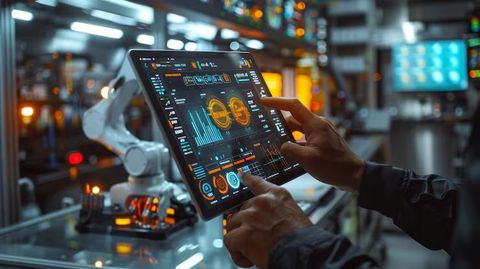
Modern industrial facilities increasingly use instrumentation as part of connected monitoring systems that provide real-time operational insights.
Latest Industry Trends and Recent Updates
The industrial instrumentation sector continues to evolve rapidly as organizations adopt digital technologies and advanced automation solutions.
Growth of Smart Sensors in 2025
Throughout 2025, industries have accelerated the adoption of smart sensors capable of transmitting real-time operational data. These sensors support improved visibility across industrial processes and enable more informed decision-making.
Expansion of Industrial Internet of Things (IIoT)
The Industrial Internet of Things continues to expand across manufacturing and infrastructure sectors. Connected instrumentation devices provide continuous monitoring and remote access to operational information.
Predictive Maintenance Adoption
During 2024 and 2025, predictive maintenance strategies gained significant attention. Industrial instrumentation now plays a central role in identifying early signs of equipment wear and performance degradation.
Increased Focus on Cybersecurity
As industrial systems become more connected, organizations are strengthening cybersecurity measures to protect operational technology environments from digital threats.
Artificial Intelligence Integration
Artificial intelligence tools are increasingly being used to analyze instrumentation data and identify patterns that may improve operational efficiency.
Sustainability Initiatives
Industries worldwide are using instrumentation systems to monitor energy usage, emissions, and resource consumption to support environmental objectives.
Industry Trend Overview
| Trend | Impact on Industry |
| Smart Sensors | Enhanced real-time monitoring |
| IIoT Integration | Greater connectivity |
| Predictive Maintenance | Reduced unexpected downtime |
| AI Analytics | Improved decision-making |
| Cybersecurity Improvements | Better system protection |
| Sustainability Monitoring | Stronger environmental performance |
Laws and Policies Affecting Industrial Instrumentation
Industrial instrumentation is influenced by various regulations and standards designed to ensure safety, environmental protection, and operational reliability.
Industrial Safety Regulations
Many countries require industrial facilities to maintain accurate monitoring systems for critical process variables. Instrumentation helps organizations comply with workplace safety requirements.
Environmental Compliance Frameworks
Environmental regulations often require continuous monitoring of emissions, wastewater discharge, and resource consumption. Instrumentation systems provide the data necessary for reporting and compliance.
Calibration and Quality Standards
Organizations frequently follow established quality management frameworks that emphasize measurement accuracy and regular calibration practices.
Digital Infrastructure Policies
Governments are increasingly supporting industrial modernization initiatives that encourage the adoption of advanced automation and digital monitoring technologies.
Energy Efficiency Programs
Many industrial sectors participate in energy management programs that depend on accurate instrumentation data to track performance improvements.
While specific requirements vary by country and industry, reliable measurement and monitoring remain central to regulatory compliance.
Helpful Tools and Resources
Professionals and organizations can use a variety of resources to improve their understanding of industrial instrumentation.
Learning Resources
- Technical training materials
- Engineering handbooks
- Industrial process guides
- Instrumentation reference manuals
Simulation and Design Tools
- Process simulation software
- Control system design platforms
- Instrument selection calculators
- Engineering documentation templates
Monitoring Resources
- Data visualization dashboards
- Performance tracking systems
- Equipment monitoring platforms
- Maintenance planning tools
Educational Resources
- Industry publications
- Technical webinars
- Professional certification programs
- Engineering research papers
These resources help individuals stay informed about evolving technologies and best practices.
Frequently Asked Questions
What is industrial instrumentation?
Industrial instrumentation refers to devices and systems used to measure, monitor, and control industrial processes such as temperature, pressure, flow, and level.
Why is industrial instrumentation important?
It helps improve operational efficiency, maintain product quality, enhance safety, reduce downtime, and support regulatory compliance.
Which industries use industrial instrumentation?
Industries including manufacturing, pharmaceuticals, energy, food processing, water treatment, mining, and oil and gas depend heavily on instrumentation systems.
What is the difference between measurement and control instruments?
Measurement instruments collect process data, while control instruments use that data to automatically regulate process conditions.
What are the latest trends in industrial instrumentation?
Major trends include smart sensors, Industrial Internet of Things integration, predictive maintenance, artificial intelligence analytics, cybersecurity improvements, and sustainability monitoring.
Conclusion
Industrial instrumentation plays a vital role in modern industrial operations by enabling accurate measurement, continuous monitoring, and efficient process control. As industries become increasingly automated and data-driven, instrumentation systems are becoming more sophisticated and interconnected.