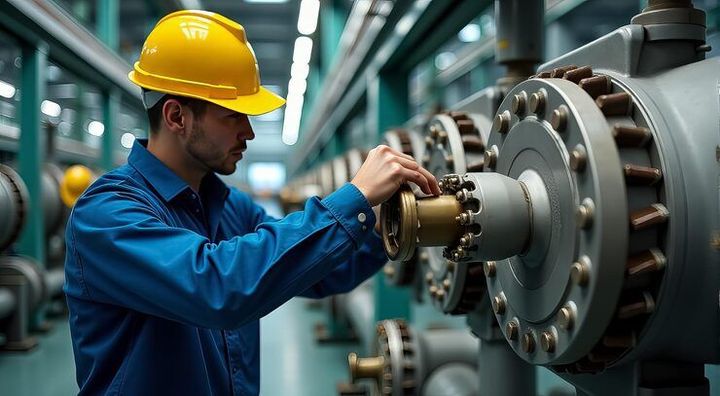
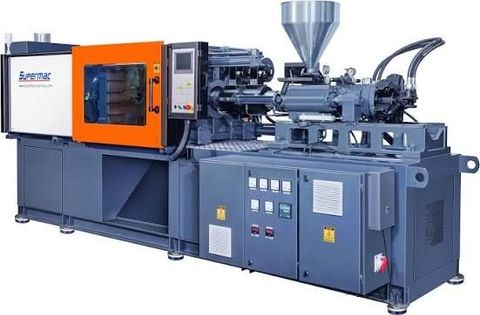
Industrial machinery maintenance focuses on keeping equipment operating safely and efficiently while minimizing downtime. It plays a critical role in modern industries where automated systems and advanced machinery are widely used.
Over time, machine components such as motors, bearings, belts, and hydraulic systems experience wear and tear. Maintenance programs help monitor these changes and ensure machines continue functioning within safe limits.
Common Maintenance Strategies
Organizations use different maintenance approaches depending on operational needs:
-
Preventive maintenance
-
Predictive maintenance
-
Condition-based monitoring
-
Reliability-centered maintenance
-
Corrective maintenance
These strategies help extend equipment lifespan and improve overall performance.
Why Industrial Machinery Maintenance Matters
Industrial maintenance is essential for maintaining productivity and safety in modern operations. Industries rely on consistent machine performance to meet production demands and avoid disruptions.
Neglecting maintenance can lead to serious operational challenges, including:
-
Unexpected equipment failure
-
Production interruptions
-
Safety risks for workers
-
Reduced energy efficiency
-
Shorter machinery lifespan
Effective maintenance helps reduce these risks and ensures smooth operations.
Industries That Depend on Maintenance
Many sectors rely heavily on machinery maintenance:
-
Manufacturing and production facilities
-
Automotive plants
-
Energy and power generation
-
Oil and gas processing
-
Food and beverage production
-
Logistics and warehousing
With Industry 4.0 technologies, maintenance is shifting toward predictive and data-driven approaches.
Recent Updates and Industry Trends
Industrial maintenance has evolved significantly between 2024 and 2025. Advanced technologies are improving how machines are monitored and maintained.
One major trend is the use of artificial intelligence in predictive maintenance. AI systems analyze sensor data to detect early signs of mechanical issues before failures occur.
Key Trends in Industrial Maintenance
-
Growth of cloud-based monitoring platforms
-
Integration of AI-driven diagnostics
-
Adoption of digital twin technology
-
Energy-efficient machinery management systems
-
Robotic inspection tools
Digital twin technology allows engineers to simulate machine performance and identify potential issues in advance.
Maintenance Approaches Overview
| Maintenance Approach | Description | Typical Use |
|---|
| Preventive Maintenance | Scheduled inspections and replacements | Manufacturing equipment |
| Predictive Maintenance | Sensor-based data monitoring | High-value machinery |
| Condition-Based Monitoring | Maintenance based on performance data | Automation systems |
| Corrective Maintenance | Repairs after failure | Non-critical machinery |
Regulations and Industrial Compliance
Industrial machinery maintenance is guided by safety regulations and compliance standards. These rules ensure machines operate safely and do not pose risks to workers or the environment.
Organizations must follow various regulatory requirements, including:
-
Occupational safety regulations
-
Environmental standards
-
Electrical safety compliance
-
Equipment inspection protocols
-
Energy efficiency guidelines
In the United States, OSHA sets safety standards for machinery. In the European Union, machinery must comply with CE certification and the Machinery Directive.
Proper maintenance supports compliance by reducing energy waste and preventing equipment-related hazards.
Tools and Resources for Machinery Maintenance
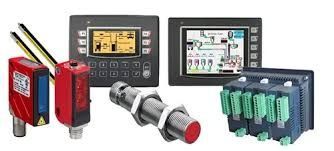
Modern maintenance relies on digital tools and monitoring systems to track equipment performance. These tools help identify issues early and improve maintenance planning.
Common Maintenance Tools
-
CMMS software platforms
-
Predictive analytics systems
-
Vibration analysis tools
-
Thermal imaging cameras
-
Lubrication monitoring systems
-
Industrial IoT sensors
-
Performance dashboards
These tools enable maintenance teams to make data-driven decisions and improve efficiency.
Digital Maintenance Tools Overview
| Tool Type | Function | Industry Application |
|---|
| CMMS Software | Scheduling and asset tracking | Manufacturing |
| Vibration Monitoring | Detects imbalance | Rotating equipment |
| Thermal Imaging | Identifies overheating | Electrical systems |
| Predictive Analytics | Failure prediction | Industrial automation |
| Digital Maintenance Logs | Tracks inspection history | Compliance management |
Common Machinery Components Requiring Maintenance
Certain components require regular monitoring because they are critical to machine performance. Proper maintenance helps prevent unexpected failures and improves reliability.
Key Components
-
Electric motors
-
Hydraulic pumps
-
Gearboxes
-
Bearings
-
Conveyor belts
-
Cooling systems
-
Control panels
Regular lubrication, alignment checks, and monitoring reduce wear and extend equipment life.
Common Failure Causes
| Failure Cause | Percentage Contribution |
|---|
| Lack of lubrication | 30% |
| Mechanical wear | 25% |
| Misalignment | 20% |
| Electrical issues | 15% |
| Environmental factors | 10% |
Frequently Asked Questions
What is the purpose of industrial machinery maintenance?
The main purpose is to ensure machines operate safely and efficiently while minimizing downtime. It also helps extend equipment lifespan and maintain productivity.
What is predictive maintenance?
Predictive maintenance uses sensor data and analytics to detect potential failures before they occur. This allows maintenance teams to take action early and prevent breakdowns.
How often should machines be inspected?
Inspection frequency depends on machine type, workload, and operating conditions. Critical machines may require continuous monitoring systems.
Which industries benefit most?
Industries such as manufacturing, energy, logistics, construction, and chemical processing rely heavily on maintenance programs.
How does technology improve maintenance?
Digital tools like IoT sensors, CMMS software, and predictive analytics provide real-time insights. These technologies help improve decision-making and reduce downtime.
Conclusion
Industrial machinery maintenance is essential for ensuring safe and efficient operations in modern industries. As systems become more advanced, maintenance strategies are shifting toward predictive and data-driven approaches.
Technologies such as AI diagnostics, IIoT monitoring, and digital twins are transforming maintenance practices. These innovations help detect issues early and improve overall efficiency.
By combining proper planning, modern tools, and regulatory compliance, organizations can maintain reliable equipment performance and support long-term sustainability.