Industrial Paper Plate Manufacturing: Machines, Materials & Production Process
Industrial paper plate manufacturing is the process of producing disposable paper plates using specialized machinery and paper-based raw materials. These plates are widely used for serving food during events, restaurants, cafeterias, educational institutions, hospitals, and outdoor gatherings because they are lightweight, convenient, and easy to handle.
The manufacturing process has evolved significantly over the years. Earlier, production relied heavily on manual work and simple pressing tools. Today, automated machines help produce large quantities of paper plates with consistent quality while reducing material waste and improving production efficiency.
Paper plates are generally manufactured using food-grade paper sheets that may include protective coatings to improve durability and moisture resistance. The growing awareness of environmental sustainability has encouraged manufacturers to explore recyclable and biodegradable materials, making paper plate manufacturing an important part of the eco-friendly packaging industry.
Why Industrial Paper Plate Manufacturing Matters
Industrial paper plate manufacturing supports multiple industries that require hygienic and convenient food-serving solutions. The increasing preference for disposable tableware has made this manufacturing sector an essential part of modern food packaging.
Some important reasons why this industry matters include:
- Supports hygienic food serving in public places.
- Reduces dependence on traditional reusable utensils in large gatherings.
- Encourages the use of paper-based alternatives instead of certain plastic products.
- Helps improve manufacturing efficiency through automation.
- Supports sustainable packaging initiatives in many regions.
The industry also contributes to responsible material usage by encouraging recyclable and biodegradable alternatives whenever possible. As environmental awareness continues to grow, manufacturers are focusing on reducing waste throughout the production process.
Main Materials Used in Paper Plate Manufacturing
The quality of a paper plate depends largely on the raw materials used during production.
| Material | Purpose |
|---|---|
| Food-grade paper sheets | Primary material used for plate production |
| Laminated paper | Provides additional moisture resistance |
| Biodegradable coating | Improves environmental compatibility |
| Printing ink | Used for decorative designs when required |
| Packaging materials | Protect finished products during storage and transportation |
Manufacturers carefully select materials based on product application, durability requirements, and environmental standards.
Industrial Paper Plate Manufacturing Process
The production process follows several organized stages that ensure consistency and quality.
Raw Material Preparation
Food-grade paper rolls or pre-cut sheets are inspected before entering production. The paper thickness, quality, and moisture level are checked to ensure reliable manufacturing.
Sheet Cutting
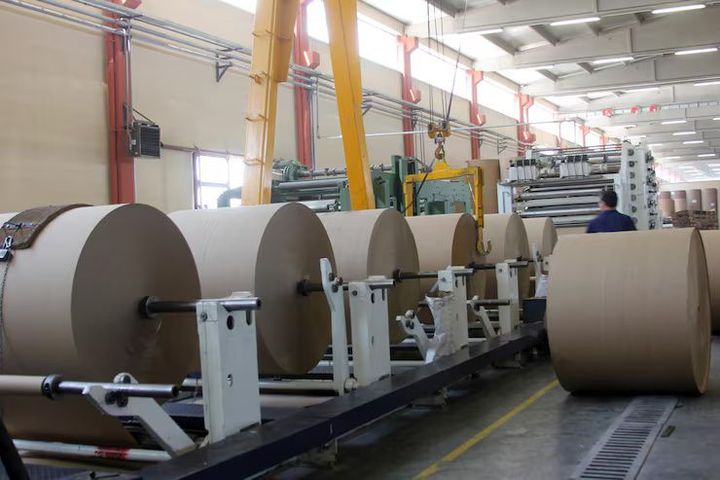
Large paper rolls are cut into suitable sizes that match the plate dimensions required by the manufacturing machine.
Plate Forming
Hydraulic, pneumatic, or automatic pressing machines use specially designed dies to shape the paper into plates under controlled pressure and temperature.
Edge Finishing
After forming, excess material is removed and plate edges are trimmed for a clean appearance.
Quality Inspection
Finished plates are inspected for:
- Proper shape
- Uniform thickness
- Clean edges
- Surface quality
- Moisture resistance
Packaging
Approved paper plates are counted, stacked, and packed for storage and distribution.
Common Types of Paper Plate Manufacturing Machines
Different production requirements use different machine technologies.
| Machine Type | Typical Application |
| Manual machine | Small-scale production |
| Semi-automatic machine | Medium-volume manufacturing |
| Fully automatic machine | Large-scale continuous production |
| Hydraulic machine | Heavy-duty pressing applications |
| Pneumatic machine | Faster production with air pressure systems |
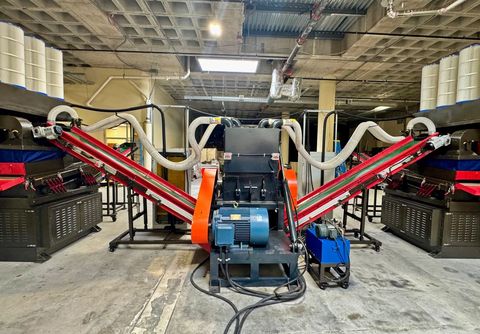
Automation has significantly improved production speed while maintaining consistent product quality.
Recent Developments in the Industry
Industrial paper plate manufacturing has experienced several notable developments during the past year.
During 2025 and early 2026, manufacturers continued adopting energy-efficient equipment designed to reduce electricity consumption and improve operational efficiency. Many production facilities also increased the use of recyclable and biodegradable paper materials as sustainability became a higher priority.
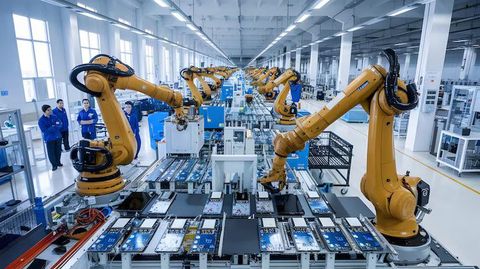
Automation technologies have expanded across manufacturing plants, allowing better monitoring of production quality and reducing manual intervention. Smart sensors and digital control systems are increasingly being integrated into production equipment for improved consistency.
Research into compostable coatings and environmentally friendly barrier materials has also progressed, helping manufacturers reduce dependence on traditional plastic-based coatings while maintaining product performance.
These developments reflect broader industry trends toward sustainable manufacturing, efficient production processes, and responsible resource management.
Laws and Policies Affecting Paper Plate Manufacturing
Industrial paper plate manufacturing is influenced by regulations that promote product safety, environmental protection, and responsible manufacturing practices.
Important regulatory areas include:
- Food-contact material safety standards.
- Environmental regulations governing industrial waste.
- Manufacturing quality management requirements.
- Workplace health and safety guidelines.
- Recycling and waste management policies.
- Packaging compliance requirements.
Many countries continue introducing regulations that encourage reduced plastic usage while promoting environmentally responsible alternatives. Manufacturers are expected to comply with applicable food safety and environmental standards before products reach consumers.
Government sustainability initiatives in several regions also encourage increased adoption of recyclable and biodegradable packaging materials.
Useful Tools and Resources
Several general resources help improve knowledge and efficiency in paper plate manufacturing.
Useful resources include:
- Production planning templates
- Manufacturing efficiency calculators
- Material consumption worksheets
- Maintenance scheduling tools
- Quality inspection checklists
- Environmental compliance guides
- Industrial safety documentation
- Equipment maintenance records
- Packaging specification templates
- Inventory management software
These resources assist manufacturers in maintaining organized production processes while improving quality control and operational efficiency.
Industry Trends Shaping the Future
Several long-term trends continue influencing industrial paper plate manufacturing.
Increasing environmental awareness encourages the use of sustainable raw materials and improved recycling practices. Manufacturers are investing in automation that minimizes production waste and improves consistency.
Digital monitoring systems are becoming more common in manufacturing facilities, allowing real-time tracking of production performance. Predictive maintenance technologies also help reduce machine downtime and improve equipment reliability.
Another important trend is the growing demand for customized plate sizes, shapes, and printed designs while maintaining efficient production methods.
Innovation in biodegradable coatings and recyclable materials is expected to remain an important focus for future development.
Frequently Asked Questions
What is industrial paper plate manufacturing?
Industrial paper plate manufacturing is the process of producing disposable paper plates using specialized machines, food-grade paper materials, and controlled forming techniques.
Which materials are commonly used?
Food-grade paper, laminated paper, biodegradable coatings, printing materials, and packaging supplies are commonly used during production.
What types of machines are available?
Manufacturers use manual, semi-automatic, fully automatic, hydraulic, and pneumatic machines depending on production requirements.
Why are paper plates becoming more popular?
Paper plates provide convenience, improved hygiene for food service, and support the growing demand for paper-based disposable products in many industries.
How does automation improve production?
Automation increases production consistency, improves efficiency, reduces manual labor, minimizes waste, and helps maintain quality throughout the manufacturing process.
Conclusion
Industrial paper plate manufacturing continues to evolve through advancements in machinery, sustainable materials, and efficient production methods. As environmental awareness increases and industries seek practical food-serving solutions, manufacturers are adopting automation and responsible manufacturing practices to improve product quality while reducing waste.