Industrial Recycling Machines Guide for Modern Material Processing Systems
Industrial recycling machines are systems designed to process discarded materials into reusable raw materials.
These machines are commonly used in manufacturing plants, waste management facilities, and recycling centers to sort, shred, clean, compress, or transform different types of waste. Over time, the demand for industrial recycling equipment has increased as industries and communities look for ways to reduce landfill waste and recover valuable materials.
Modern recycling systems include many types of equipment. Plastic recycling machines process plastic bottles, films, and containers into reusable pellets. Metal recycling machines separate and compact metals such as aluminum, steel, and copper. Paper recycling machines handle cardboard, newspapers, and office paper for pulp recovery. Tire recycling machines break down used tires into rubber granules, while e waste recycling machines process electronic items such as computers and mobile devices.
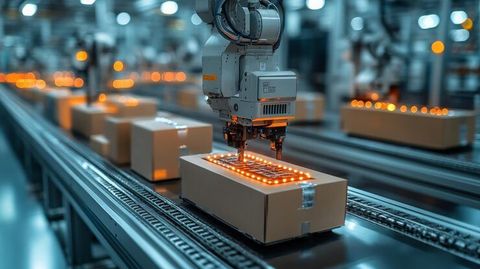
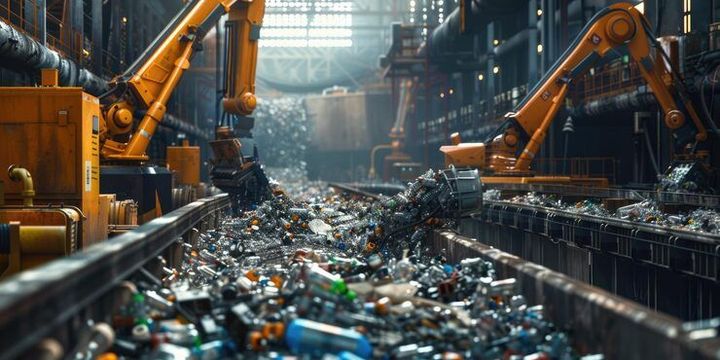
Industrial shredder recycling machines are an important part of many recycling lines. They reduce large waste materials into smaller pieces that are easier to sort and process. In many facilities, automatic recycling machines use sensors, robotics, and software to improve sorting accuracy and material recovery.
Industrial recycling plant machinery is often designed to handle large volumes of waste continuously. High efficiency recycling machines are becoming more common because industries are focusing on reducing energy use and improving material recovery rates.
Types of Industrial Recycling Machines
Different recycling systems are built for different materials and operational needs. Common machine categories include:
- Plastic shredders, washers, and pelletizers
- Metal crushers and balers
- Paper pulping and sorting systems
- Glass crushing equipment
- Tire shredders and granulators
- Electronic waste separation systems
- Conveyor and sorting lines
- Compacting and baling equipment
The combination of machines depends on the type of material being processed and the scale of the operation.
Common Materials Processed
Industrial recycling equipment handles a wide variety of materials, including:
| Material Type | Common Recycling Equipment | Typical Output |
|---|---|---|
| Plastic | Plastic recycling machines | Plastic pellets |
| Metal | Metal recycling machines | Metal scrap bundles |
| Paper | Paper recycling machines | Recycled paper pulp |
| Tires | Tire recycling machines | Rubber granules |
| Electronics | E waste recycling machines | Separated metals and plastics |
| Mixed Waste | Industrial shredder recycling machines | Smaller recyclable fractions |
Importance
Recycling systems play a significant role in reducing industrial and household waste. As populations grow and consumption increases, waste generation continues to rise. Industrial recycling machines help manage these materials by supporting material recovery and reducing the volume of waste sent to landfills.
Environmental Impact
One of the main reasons recycling systems matter is their effect on natural resource conservation. Recycling metals, plastics, and paper reduces the need for raw material extraction. This can lower energy use in manufacturing and decrease pollution associated with mining, logging, and petroleum processing.
For example, paper recycling machines help reduce the demand for fresh wood pulp. Plastic recycling machines reduce the amount of discarded plastic entering waterways and landfills. Metal recycling machines support the reuse of materials that would otherwise require energy-intensive mining processes.
Industrial Waste Management
Factories and processing plants generate large amounts of scrap materials during production. Industrial recycling equipment helps manufacturers manage leftover materials more efficiently. Some facilities process waste internally, while others transport materials to dedicated recycling centers.
Industrial shredder recycling machines are often used to reduce the size of bulky waste before transportation or further treatment. This improves storage efficiency and simplifies sorting operations.
Resource Recovery and Circular Economy
Many governments and industries now support circular economy practices. This approach focuses on reusing materials instead of discarding them after one use. Automatic recycling machines and high efficiency recycling machines support this goal by improving the quality and speed of material recovery.
Recovered metals, plastics, and paper can re-enter manufacturing systems as secondary raw materials. This reduces pressure on natural resources and encourages long-term material reuse.
Recent Updates
From 2024 to 2026, recycling technology has continued to evolve in response to environmental concerns, rising waste volumes, and stricter material recovery targets.
Growth of Automation
Automatic recycling machines are becoming more common in material recovery facilities. Many systems now use artificial intelligence, optical scanners, and robotic sorting arms to identify different materials more accurately.
These technologies help separate plastics by resin type, distinguish metals, and remove contamination from recycling streams. Automation also supports faster processing speeds and more consistent sorting outcomes.
Focus on E-Waste Processing
The increase in discarded electronic devices has expanded interest in e waste recycling machines. Modern systems can separate circuit boards, batteries, plastics, and valuable metals more effectively than earlier methods.
Some recycling facilities now use advanced sensor-based systems to identify components containing copper, gold, or lithium. This reflects growing attention to battery recycling and electronic waste management.
Energy-Efficient Equipment
High efficiency recycling machines are receiving more attention because industries are trying to reduce energy consumption and emissions. Manufacturers are developing systems with improved motors, variable speed controls, and optimized cutting mechanisms.
Many industrial recycling plant machinery systems now include monitoring software that tracks power usage, machine performance, and maintenance needs in real time.
Expansion of Tire and Plastic Recycling
Tire recycling machines are increasingly used to process worn tires into rubber materials for construction surfaces, playground flooring, and industrial products. Plastic recycling machines are also adapting to process flexible plastics and mixed plastic waste that were previously difficult to recycle.
Chemical recycling technologies are also being explored alongside traditional mechanical recycling systems. These methods aim to break plastics into chemical components that can be reused in manufacturing.
Laws or Policies
Recycling operations are influenced by environmental regulations, waste handling rules, and industrial safety requirements. Policies vary by country, but many governments have introduced regulations that encourage recycling and waste reduction.
Waste Management Regulations
Many countries require industries to separate recyclable materials from general waste streams. Industrial recycling equipment helps facilities comply with these regulations by processing materials for reuse or recovery.
Environmental agencies often establish standards for air emissions, water discharge, and material storage at recycling plants. Operators may also need permits for handling hazardous or electronic waste.
Extended Producer Responsibility Programs
Some regions have introduced Extended Producer Responsibility (EPR) programs. Under these policies, manufacturers may share responsibility for managing products after disposal. This has affected the growth of plastic recycling machines, e waste recycling machines, and paper recycling machines.
EPR systems often apply to packaging, electronics, batteries, and tires. These programs encourage industries to improve recycling systems and material recovery practices.
Worker Safety Standards
Industrial recycling plant machinery can involve heavy equipment, cutting systems, and moving conveyors. Workplace safety regulations typically require:
- Protective equipment for workers
- Emergency shutdown systems
- Dust and noise control measures
- Machine guarding and safety barriers
- Regular equipment inspections
Industrial shredder recycling machines and metal recycling machines often operate under strict safety procedures because of their mechanical force and high processing capacity.
International Recycling Policies
Global agreements related to waste exports and hazardous materials also affect recycling industries. Some countries limit the import or export of mixed waste materials, encouraging local recycling infrastructure development instead.
Tools and Resources
Several digital tools and informational platforms help industries and researchers understand recycling systems and waste management practices.
Material Tracking Software
Many facilities use software platforms to monitor incoming waste, machine performance, and recycling output volumes. These systems help operators manage inventory and track processing efficiency.
Government Environmental Websites
Environmental agency websites often provide guidance documents related to industrial recycling equipment, waste classification, and recycling regulations. These resources may include reporting templates and compliance information.
Industry Associations
Recycling associations publish technical guides, research papers, and operational standards related to recycling machine manufacturers and industrial recycling plant machinery. These publications help explain processing methods and material recovery trends.
Monitoring and Maintenance Systems
Modern automatic recycling machines frequently include digital dashboards that monitor:
- Equipment temperature
- Motor performance
- Energy consumption
- Throughput volume
- Maintenance schedules
These tools support operational planning and equipment reliability.
FAQs
What are industrial recycling machines used for?
Industrial recycling machines process waste materials into reusable forms. They are used for shredding, sorting, cleaning, compacting, and separating materials such as plastic, paper, metal, tires, and electronics.
How do plastic recycling machines work?
Plastic recycling machines typically shred plastic waste, wash contaminants, melt the material, and convert it into pellets or flakes for reuse in manufacturing processes.
What materials can industrial shredder recycling machines process?
Industrial shredder recycling machines can process plastic, cardboard, wood, tires, metal scrap, and mixed industrial waste. The material type determines the shredder design and cutting mechanism used.
Why are e waste recycling machines important?
E waste recycling machines help recover valuable materials from discarded electronics while reducing environmental risks linked to improper disposal of batteries and electronic components.
What is the role of automatic recycling machines in modern facilities?
Automatic recycling machines improve sorting speed and material identification through sensors, robotics, and computer systems. They help reduce contamination and improve recycling consistency.
Conclusion
Industrial recycling machines support modern waste management and material recovery systems across many industries. Different types of industrial recycling equipment are designed to process plastics, metals, paper, tires, and electronic waste efficiently. Recent developments in automation, energy efficiency, and material sorting technologies continue to shape recycling operations worldwide. Regulations and environmental policies also influence how industrial recycling plant machinery is designed and operated. As waste volumes continue to grow, recycling systems remain an important part of resource management and environmental protection.