Industrial Robotics Frameworks Guide to Modern Automation Systems and Integration
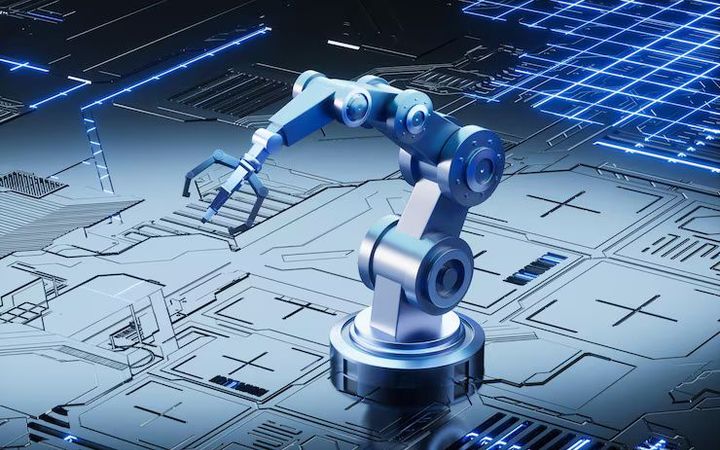
Industrial robotics frameworks are structured systems that define how robotic hardware and software interact in automated environments. These frameworks provide a foundation for programming, controlling, and integrating robots into industrial processes such as manufacturing, assembly, inspection, and packaging.
At their core, industrial robotics frameworks simplify the complexity of robotics by providing reusable components, communication protocols, and standardized architectures. They help engineers and developers manage tasks like motion control, sensor integration, and real-time data processing.
As industries move toward smarter operations, these frameworks act as the backbone of automation, enabling machines to operate efficiently, safely, and consistently across different environments.
Why Industrial Robotics Frameworks Matter Today
Industrial robotics frameworks are increasingly important due to advancements in automation, artificial intelligence, and digital transformation. They are widely used in sectors such as automotive, electronics, logistics, and healthcare manufacturing.
Key Benefits
- Improved Productivity: Reduces manual effort and increases output consistency.
- Scalability: Enables easy expansion of robotic systems without redesigning infrastructure.
- Flexibility: Robots can be reprogrammed for different tasks using the same framework.
- Data Integration: Supports real-time monitoring and analytics for better decision-making.
- Workplace Safety: Minimizes human involvement in hazardous environments.
These frameworks help address challenges like labor shortages, production inefficiencies, and quality control issues, making them essential in modern industrial ecosystems.
Recent Updates and Trends in Industrial Robotics Frameworks
Over the past year (2025–2026), several developments have shaped the evolution of industrial robotics frameworks:
- AI Integration (2025): Incorporates machine learning for adaptive decision-making and predictive maintenance.
- Edge Computing Growth (2025): Real-time data processing at the edge reduces latency in robotic operations.
- Collaborative Robots Expansion (2025–2026): Supports human-robot collaboration with enhanced safety features.
- Open-Source Framework Adoption (2026): Industries increasingly use flexible, community-driven platforms.
- Digital Twin Technology (2026): Allows simulation-based virtual testing before physical deployment.
Trend Comparison Table
| Trend | Key Benefit | Impact Area |
|---|---|---|
| AI Integration | Smarter automation | Manufacturing efficiency |
| Edge Computing | Faster response time | Real-time control |
| Collaborative Robotics | Safer human interaction | Workplace safety |
| Open-Source Platforms | Greater flexibility | Development speed |
| Digital Twin Technology | Reduced deployment risks | System design |
These updates reflect a shift toward intelligent, connected, and adaptable robotic systems.
Laws and Policies Affecting Robotics Frameworks
Industrial robotics frameworks are influenced by regulations and policies, particularly in countries like India and other industrial economies.
Key Regulatory Areas
- Safety Standards: Ensures safe robot operation in shared environments.
- Data Protection Rules: Frameworks handling operational data must align with privacy regulations.
- Automation Policies: Government initiatives promoting Industry 4.0 encourage robotics adoption.
- Import and Technology Regulations: Policies affect access to advanced robotics components and software.
In India, digital manufacturing and smart factory programs support the adoption of robotics frameworks, aiming to improve industrial competitiveness while maintaining safety and compliance.
Tools and Resources for Industrial Robotics Frameworks
Several tools and platforms support the development and deployment of industrial robotics frameworks. These resources help engineers design, simulate, and manage robotic systems effectively.
Common Tools and Platforms
- Robot Operating System (ROS): Flexible framework for robot software development.
- Gazebo Simulator: Used for testing robotic models in virtual environments.
- MATLAB Robotics Toolbox: Supports algorithm development and simulation.
- Python Libraries: Widely used for automation scripting and AI integration.
- PLC Programming Software: Enables communication between robots and industrial systems.
Resource Table
| Tool/Platform | Purpose | Usage Area |
|---|---|---|
| ROS | Robot software development | Automation systems |
| Gazebo | Simulation and testing | Design validation |
| MATLAB Toolbox | Algorithm modeling | Research and development |
| Python | Scripting and AI integration | Flexible automation |
| PLC Software | Industrial control systems | Factory operations |
These tools provide the foundation for building robust and scalable robotics frameworks.
Frequently Asked Questions About Industrial Robotics Frameworks
What is an industrial robotics framework?
It is a structured system that provides tools, libraries, and protocols to develop and manage robotic applications in industrial environments.
How do these frameworks improve efficiency?
They streamline programming, enable automation, and allow real-time monitoring, leading to faster and more consistent operations.
Are industrial robotics frameworks customizable?
Yes, many frameworks are designed to be flexible, allowing users to modify components based on specific industrial needs.
What industries use these frameworks the most?
Automotive, electronics, logistics, and manufacturing sectors rely heavily on robotics frameworks for automation.
Do these frameworks support AI technologies?
Modern frameworks increasingly integrate artificial intelligence for tasks like predictive maintenance and adaptive control.
Conclusion
Industrial robotics frameworks play a critical role in shaping the future of automation. By providing structured and scalable solutions, they enable industries to integrate robotics efficiently into their operations.
With advancements in AI, edge computing, and simulation technologies, these frameworks are improving productivity while redefining industrial operations. Understanding them is essential for anyone involved in modern manufacturing and automation environments.