Industrial Safety Helmets Guide: Protection Features, Standards, and Workplace Use
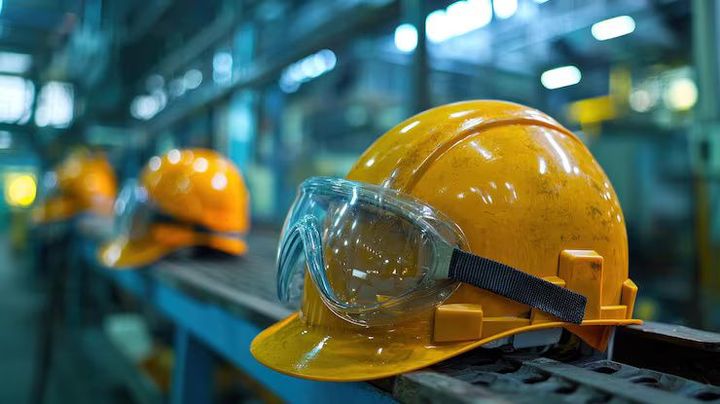
Industrial safety helmets are protective headgear designed to reduce the risk of head injuries in hazardous environments such as construction sites, factories, mining zones, and heavy industrial workplaces. These helmets are engineered to absorb impact, resist penetration, and provide insulation against electrical hazards depending on their classification.
The primary purpose of industrial safety helmets is to protect workers from falling objects, accidental impacts, and environmental hazards. They are usually made from high-density polyethylene (HDPE), fiberglass, or thermoplastics, with internal suspension systems that distribute force across the head.
Modern helmets go beyond basic protection. Many include features like ventilation, face shields, communication integration, and ergonomic designs, enhancing comfort during long work hours. These developments reflect advancements in occupational safety and engineering design.
Why Industrial Safety Helmets Matter in Modern Work Environments
Industrial safety helmets are crucial for reducing workplace injuries and fatalities. Head injuries are often among the most severe workplace accidents, leading to long-term consequences or loss of life. Helmets act as the first line of defense in these situations.
Key Occupations Requiring Helmets
- Construction workers exposed to falling debris
- Electrical technicians working near live circuits
- Manufacturing staff operating heavy machinery
- Mining personnel in confined and unstable environments
Common Problems Addressed by Helmets
- Impact injuries from falling or swinging objects
- Penetration injuries from sharp materials
- Electrical shock hazards
- Heat and environmental exposure
By minimizing these risks, helmets promote safer workplaces and allow workers to operate with confidence and reduced fear of injury.
Recent Developments and Trends in Safety Helmet Technology
In 2024–2025, helmet innovation has focused on smart technology and improved comfort. Manufacturers aim to integrate safety management with real-time monitoring and ergonomic design.
Key Trends
- Smart Helmets: Sensors track worker health, fatigue, and environmental conditions
- IoT Connectivity: Helmets linked to centralized safety compliance systems
- Improved Materials: Lightweight, strong composites for durability
- Ergonomic Enhancements: Adjustable fittings and better ventilation for comfort
Comparison of Traditional vs Modern Helmets
| Feature | Traditional Helmets | Modern Helmets |
|---|---|---|
| Material | Basic plastic | Advanced composites |
| Weight | Moderate | Lightweight |
| Technology Integration | None | Sensors, communication tools |
| Comfort Features | Limited | Enhanced padding, airflow |
| Safety Monitoring | Manual | Real-time tracking |
These updates show a shift toward proactive safety management, identifying and mitigating risks before incidents occur.
Regulations and Safety Standards Affecting Helmet Usage
Industrial helmets must comply with strict standards to ensure effectiveness. In India, the Bureau of Indian Standards (BIS) governs these regulations.
Key Regulatory Frameworks
- IS 2925 Standard: Specifies impact resistance and penetration protection
- Factories Act, 1948: Mandates protective equipment in hazardous workplaces
- Occupational Safety, Health and Working Conditions Code, 2020: Consolidates safety regulations
Globally Recognized Standards
- ANSI Z89.1 (United States)
- EN 397 (Europe)
Standards classify helmets based on impact protection, electrical insulation, and temperature resistance. Compliance ensures reliable protection, and employers must provide certified helmets suitable for specific tasks.
Useful Tools and Resources for Safety Helmet Awareness
Several tools help organizations maintain helmet safety standards and ensure proper usage.
Helpful Resources
- Safety compliance checklists
- Risk assessment platforms
- Online training modules on occupational safety
- Helmet inspection guides
- Mobile apps for safety tracking
Example: Simple Helmet Inspection Checklist
| Inspection Area | What to Check |
|---|---|
| Outer Shell | Cracks, dents, discoloration |
| Suspension System | Loose straps, wear and tear |
| Fit Adjustment | Proper sizing and stability |
| Cleanliness | Dirt or chemical residue |
| Expiry Date | Manufacturer’s recommended lifespan |
Using these tools helps maintain helmet effectiveness and ensures consistent safety practices.
Frequently Asked Questions About Industrial Safety Helmets
What is the lifespan of an industrial safety helmet?
Most helmets last 3–5 years, depending on usage and manufacturer guidelines. Regular inspections are necessary.
How do I know if a helmet meets safety standards?
Certified helmets display markings indicating compliance with IS 2925, ANSI, or EN standards.
Can helmets protect against electrical hazards?
Some helmets have electrical insulation properties and are classified specifically for electrical work.
What factors should be considered when choosing a helmet?
Impact resistance, comfort, fit, ventilation, and compatibility with other protective gear.
Is it necessary to replace a helmet after an impact?
Yes. Even without visible damage, a helmet should be replaced after a significant impact.
Conclusion
Industrial safety helmets are a fundamental component of workplace safety. Their importance has grown with industrial complexity, making them essential for worker protection.
Technological advancements have transformed helmets into smart devices capable of real-time safety monitoring. Compliance with regulations ensures they meet minimum safety requirements.
By understanding their purpose, keeping up with trends, and using available tools, organizations can improve safety outcomes. Consistent use and proper maintenance create a safer and more efficient working environment for all.