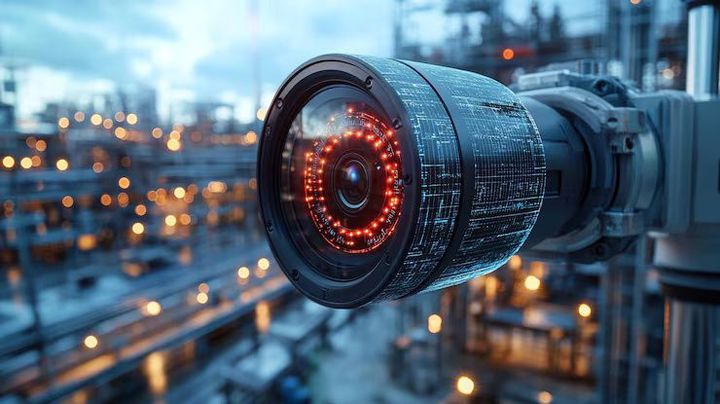
Industrial safety sensors are essential components in modern workplaces where machines and humans operate together. They are designed to detect unsafe conditions and prevent accidents before they occur.
These sensors act as an early warning system by identifying risks such as human presence in restricted zones, abnormal machine behavior, or environmental hazards. They play a critical role in ensuring both worker safety and equipment protection.
Types of Industrial Safety Sensors
There are several types of industrial safety sensors, each designed for specific safety applications. These sensors help monitor different aspects of industrial environments.
Common Sensor Types
-
Light curtains that detect interruptions in a beam of light
-
Proximity sensors that identify nearby objects without contact
-
Pressure-sensitive mats that respond to weight or movement
-
Safety laser scanners for monitoring large areas
-
Emergency stop sensors integrated into machinery
These sensors are often connected to programmable logic controllers (PLCs), which allow machines to stop or adjust operations automatically when risks are detected.
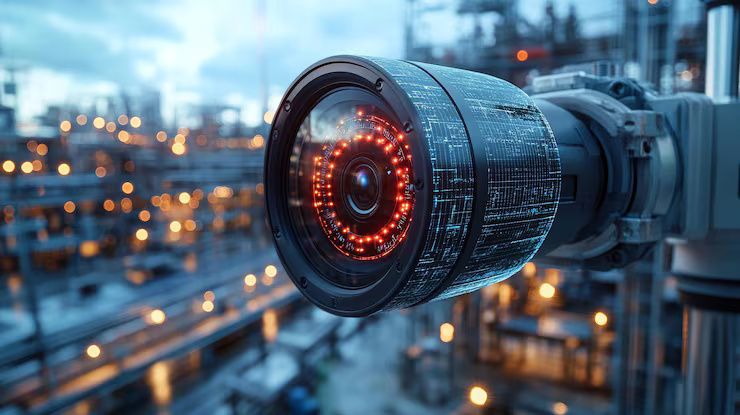
Why Industrial Safety Sensors Matter Today
Industrial safety sensors are becoming increasingly important due to the rise of automation and smart manufacturing. While automation improves productivity, it also introduces new safety challenges.
Key Benefits
-
Worker safety by reducing the risk of injuries
-
Equipment protection by preventing machine damage
-
Operational continuity by minimizing downtime
-
Regulatory compliance with safety standards
Industries That Use Safety Sensors
-
Manufacturing and assembly lines
-
Automotive production
-
Food processing facilities
-
Logistics and warehousing
-
Energy and utilities
Without proper safety sensors, organizations may face accidents, equipment failures, production delays, and compliance issues.
Recent Trends and Developments in 2025
Industrial safety sensor technology has evolved rapidly with Industry 4.0 and digital transformation. These advancements are making safety systems more intelligent and efficient.
Key Trends
-
Integration with Industrial IoT (IIoT) for real-time monitoring
-
AI-powered systems for predictive hazard detection
-
Wireless sensors for flexible installation
-
Enhanced precision for detecting small or fast objects
-
Improved cybersecurity for connected systems
Collaborative robots (cobots) are also using advanced sensors to safely work alongside humans. These systems adjust movements based on real-time sensor data.
Emerging Trends and Impact
| Trend | Impact on Industry |
|---|
| AI-based hazard detection | Improved predictive safety |
| Wireless sensor systems | Easier installation and scaling |
| IIoT integration | Real-time monitoring |
| Smart factories | Data-driven safety management |
Laws, Regulations, and Safety Standards
Industrial safety sensors are regulated by national and international standards to ensure workplace safety. These regulations require industries to implement proper safety measures.
Indian Regulations
-
Factories Act, 1948 – Covers worker health and safety
-
Occupational Safety, Health and Working Conditions Code, 2020
-
Bureau of Indian Standards (BIS) guidelines
Global Standards
-
ISO 13849 – Safety-related control systems
-
IEC 61508 – Functional safety standards
-
IEC 62061 – Machinery safety systems
Required Safety Measures
-
Conduct risk assessments before operations
-
Install appropriate safety devices
-
Perform regular inspections and maintenance
-
Maintain proper documentation
Tools and Resources for Industrial Safety Sensors
Various tools help industries implement and manage safety sensor systems effectively. These tools support configuration, monitoring, and compliance.
Common Tools
-
PLC programming software
-
Safety configuration tools
-
Simulation software for testing
-
Industrial IoT dashboards
-
Risk assessment templates
Additional Resources
-
CAD software for machine design
-
Data logging systems
-
Predictive maintenance platforms
-
Compliance checklists
Sensor Comparison Table
| Sensor Type | Function | Typical Application |
|---|
| Light Curtain | Detects object interruption | Machine guarding |
| Proximity Sensor | Detects nearby objects | Assembly lines |
| Laser Scanner | Monitors large areas | Robotics and automation |
| Pressure Mat | Detects weight or presence | Restricted zones |
Basic Implementation Workflow
-
Identify potential hazards
-
Select appropriate sensors
-
Integrate with control systems
-
Test and validate functionality
-
Monitor performance continuously
Frequently Asked Questions
What are industrial safety sensors used for?
Industrial safety sensors detect hazards such as human presence or machine faults and trigger actions to prevent accidents.
How do safety sensors improve workplace safety?
They provide real-time monitoring and automatically stop or adjust machinery when risks are detected.
What is the difference between safety sensors and regular sensors?
Safety sensors meet strict safety standards and focus on protecting people and equipment, while regular sensors focus on measurement and control.
Are safety sensors required by law?
In many industries, safety sensors are necessary for compliance with workplace safety regulations.
Can safety sensors be integrated with smart factory systems?
Yes, modern safety sensors can connect with Industrial IoT platforms for real-time monitoring and predictive safety management.
Conclusion
Industrial safety sensors are a critical part of modern industrial systems. They help prevent accidents, protect equipment, and ensure smooth operations in automated environments.
With advancements in AI and IoT, these sensors are becoming smarter and more connected. This enables predictive safety, improved efficiency, and better compliance with regulations.
Understanding their role, benefits, and implementation helps organizations create safer and more sustainable workplaces.