Industrial Spare Parts : Explore Essential Machine Components
Industrial machines depend on reliable replacement components. Industrial spare parts are individual components used to maintain, repair, or restore machinery across different industries. These parts support manufacturing operations, material handling, processing systems, packaging equipment, and many other industrial applications.
Every machine contains several components that work together to perform specific functions. Over time, regular operation, friction, environmental conditions, and mechanical stress can affect their condition. Replacing worn or damaged components helps maintain equipment functionality and supports consistent production activities.
Machinery companies and machinery manufacturers work with different component categories depending on their equipment designs. These may include bearings, gears, belts, shafts, motors, seals, valves, filters, and electrical components.
Understanding these parts helps equipment operators identify their purposes and recognize why correct component selection matters.
What Are Industrial Spare Parts?
Industrial spare parts are replacement components designed for use in machinery and industrial systems. They may be standard components available in different sizes or specialized parts developed for particular machine models.
Common examples include:
Bearings that support rotating shafts and reduce friction.
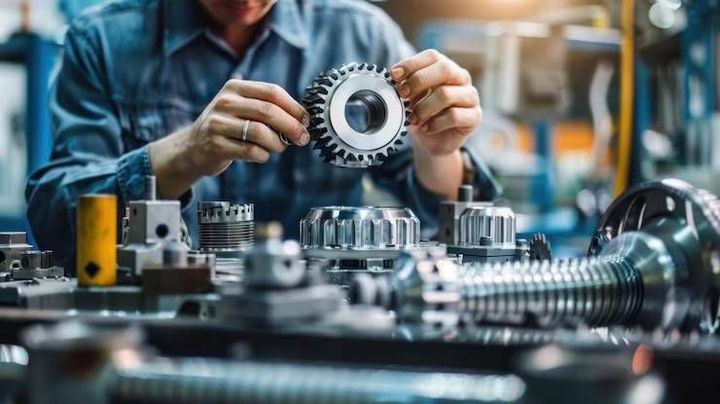
Gears that transfer motion and mechanical power.
Belts that connect rotating components and transmit movement.
Seals that help prevent unwanted fluid or air leakage.
Filters that remove unwanted particles from operating systems.
Motors that provide mechanical energy for equipment.
Valves that regulate liquid or gas flow.
Each component has a specific function, and its suitability depends on the machine's operating requirements.
Why Industrial Spare Parts Matter
Industrial spare parts play an important role in equipment maintenance and operational planning. Manufacturing facilities often depend on machines that perform repeated tasks throughout production cycles. A damaged component can interrupt connected processes and create additional maintenance requirements.
Having a clear understanding of replacement components helps organizations plan maintenance activities and identify suitable alternatives when necessary.
Supporting Equipment Reliability
Machines contain components that experience different levels of mechanical stress. Bearings, gears, and belts may gradually wear because of friction, repeated movement, temperature changes, or insufficient lubrication.
Replacing components when necessary helps maintain the intended operating condition of equipment. Regular inspections also help identify unusual vibration, noise, overheating, or visible damage before a component develops more serious problems.
Reducing Unexpected Interruptions
Unexpected equipment problems can affect production schedules and material movement. Identifying commonly required spare parts allows maintenance teams to plan replacement activities more effectively.
For example, a manufacturing facility using conveyor systems may keep suitable belts, rollers, bearings, and related components in its maintenance inventory. This preparation can help simplify routine repair activities.
Improving Maintenance Planning
Spare parts management involves identifying components, recording their specifications, monitoring inventory, and planning replacements. Proper documentation helps maintenance teams understand which parts are compatible with particular machines.
It also supports communication between equipment operators, maintenance professionals, suppliers, and machinery manufacturers.
Essential Types of Industrial Machine Components
Industrial equipment contains mechanical, electrical, hydraulic, and pneumatic components. Their designs and functions vary according to machine applications and operating environments.
Bearings and Bearing Supply
Bearings are important machine components that support rotating or moving parts. They help reduce friction between surfaces and allow shafts or other components to move smoothly.
Common bearing types include:
Ball bearings: Use rolling balls to support movement and reduce friction.
Roller bearings: Use cylindrical or tapered rollers to support different loads.
Needle bearings: Use thin cylindrical rollers in compact applications.
Thrust bearings: Support forces acting along a shaft's axis.
The best bearings online may differ according to dimensions, load capacity, speed requirements, material, and operating temperature. Understanding these specifications is important when evaluating bearing supply options.
Gears, Belts, and Shafts
Gears transfer mechanical movement between connected components. Their tooth arrangements determine how motion and rotational speed are transferred within a machine.
Belts connect pulleys and help transmit movement between different machine sections. Shafts support rotating components and transfer mechanical power through equipment systems.
These parts are commonly found in conveyors, industrial mixers, processing machines, and manufacturing equipment.
Motors and Electrical Components
Electric motors convert electrical energy into mechanical movement. They are used in pumps, compressors, production lines, conveyor systems, and automated equipment.
Other electrical components include sensors, switches, connectors, controllers, and circuit protection devices. Together, these components help machines operate according to their intended functions.
Hydraulic and Pneumatic Components
Hydraulic systems use pressurized liquids to produce movement or force. Pneumatic systems use compressed air for similar purposes.
Common components include pumps, cylinders, hoses, valves, regulators, and filters. These systems are widely used in industrial presses, lifting equipment, packaging machinery, and automated production environments.
Understanding Spare Part Selection
Selecting suitable replacement components requires attention to machine specifications and operating conditions. A component that looks similar to the original may not necessarily have the correct dimensions, material, or performance characteristics.
Important Selection Factors
Before identifying replacement parts, consider the following:
Compatibility: Check the machine model and component specifications.
Dimensions: Verify length, diameter, thickness, and fitting measurements.
Material: Consider environmental exposure, temperature, and operating conditions.
Load capacity: Understand the mechanical forces the component must support.
Operating speed: Check whether the part suits the required movement or rotation.
Documentation: Review technical drawings, identification numbers, and manufacturer information.
Industrial equipment for sale may include different configurations and component arrangements. Therefore, comparing specifications is more useful than relying only on product appearance.
Comparing Common Component Categories
| Component | Main Function | Common Application |
|---|---|---|
| Bearings | Support rotating movement | Motors and conveyors |
| Gears | Transfer mechanical power | Gearboxes |
| Belts | Transmit movement | Conveyor systems |
| Seals | Prevent leakage | Pumps and hydraulic systems |
| Motors | Generate movement | Manufacturing machinery |
| Filters | Remove unwanted particles | Fluid systems |
Recent Developments in Industrial Spare Parts
Industrial maintenance practices continue to evolve alongside manufacturing technology. Digital monitoring, automation, and improved inventory management are influencing how organizations identify and manage replacement components.
Predictive Maintenance Technology
Predictive maintenance uses equipment condition information to help identify potential mechanical problems. Sensors can monitor vibration, temperature, pressure, and other operating conditions.
Maintenance teams can use these observations to investigate unusual equipment behavior and plan inspections. However, monitoring systems require appropriate installation, reliable information, and suitable technical interpretation.
Digital Spare Parts Management
Digital inventory systems help organizations record component specifications, quantities, equipment references, and replacement histories.
Some facilities also use barcode identification and digital equipment records to improve component tracking. These methods can make inventory information easier to organize and access.
Advanced Manufacturing Methods
Computer-controlled manufacturing, precision machining, and additive manufacturing are changing how certain industrial components are produced. These technologies support different approaches to component design, measurement, and production.
Their suitability depends on material requirements, component geometry, manufacturing standards, and intended applications.
Laws, Standards, and Quality Considerations
Industrial spare parts may be subject to different technical requirements depending on their type, industry, and country of use. Organizations should understand the applicable regulations before selecting or installing replacement components.
International Quality Standards
ISO standards provide internationally recognized frameworks for quality management and other technical activities. ISO 9001, for example, addresses quality management systems rather than guaranteeing the performance of every individual component.
Other relevant standards may cover dimensions, materials, testing methods, and machinery safety.
Workplace and Machinery Safety
Equipment operators and maintenance teams should follow applicable workplace safety requirements. Replacement activities may involve electrical isolation, pressure release, moving machinery, or handling heavy components.
Following equipment manuals, approved procedures, and relevant national regulations helps support safer maintenance practices.
Tools and Resources for Spare Parts Management
Several practical resources can help maintenance teams understand and organize industrial components.
Useful resources include:
Equipment manuals for original component specifications and maintenance instructions.
Technical drawings for identifying dimensions and assembly arrangements.
Parts catalogues for checking component numbers and machine compatibility.
Digital inventory platforms for recording quantities and replacement histories.
Inspection tools for measuring dimensions and identifying visible wear.
Maintenance checklists for organizing routine equipment inspections.
When evaluating machinery companies or machinery manufacturers, reviewing technical documentation and component identification information can help clarify equipment requirements.
Frequently Asked Questions
What Are the Most Common Industrial Spare Parts?
Common industrial spare parts include bearings, gears, belts, motors, seals, filters, shafts, valves, and electrical components. Their applications depend on the machinery design.
How Can I Identify the Best Bearings Online?
Compare bearing dimensions, load capacity, speed ratings, materials, and manufacturer specifications. Confirm compatibility with the intended machine before selecting a replacement.
Why Is Bearing Supply Important for Manufacturing?
Bearing supply supports the availability of components used in rotating equipment. Suitable bearings help machinery operate according to its intended mechanical design.
What Should I Check Before Selecting Industrial Equipment for Sale?
Review equipment specifications, operating capacity, component compatibility, safety features, maintenance requirements, and available technical documentation.
How Do Machinery Manufacturers Support Spare Parts Identification?
Machinery manufacturers may provide technical drawings, parts catalogues, identification numbers, and equipment manuals to help users identify compatible components.
Conclusion
Industrial spare parts are essential elements of modern manufacturing and equipment maintenance. Bearings, gears, motors, belts, seals, and other components perform specific functions within industrial machinery.