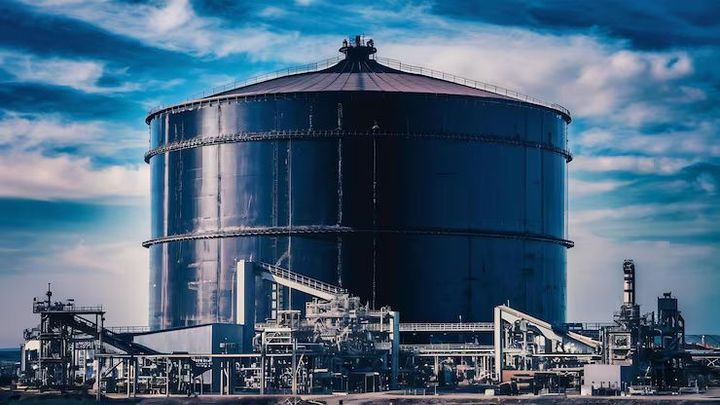
Industrial Tank Manufacturing Guide: Fabrication, Storage & Industry Uses
Industrial tanks are an important part of modern manufacturing, processing, and storage operations. They are used in a wide range of sectors to hold liquids, chemicals, water, oils, food ingredients, gases, and other materials that need safe and controlled storage. While tanks may look like simple containers from the outside, their design and manufacturing involve careful planning, material selection, engineering, and fabrication methods to match the needs of different industries.
As industrial processes become more specialized, tank manufacturing has also changed. Today’s industrial tanks are designed not only for storage, but also for temperature control, mixing, pressure handling, corrosion resistance, hygiene, and integration with larger processing systems. This has made tank manufacturing an important area within industries such as chemicals, pharmaceuticals, food processing, water treatment, agriculture, energy, and manufacturing.

Understanding Industrial Tank Manufacturing
Industrial tank manufacturing refers to the process of designing and building tanks used for commercial and industrial operations. These tanks can vary greatly in size, shape, and function depending on the material being stored and the environment in which the tank will operate.
Some tanks are built to store water for processing plants or municipal systems. Others are used for chemical storage, milk collection, edible oil handling, fermentation, wastewater treatment, or fuel containment. In many cases, a tank is not a standalone piece of equipment. It may be connected to pumps, valves, pipelines, sensors, mixers, insulation systems, or heating and cooling jackets.
The manufacturing process usually begins with understanding the application. A tank meant for drinking water has very different requirements from one used for acidic chemicals or hot industrial liquids. Because of this, tank manufacturers focus on factors such as storage capacity, pressure level, material compatibility, operating temperature, cleaning requirements, and installation conditions before the fabrication work starts.
Why Storage System Design Matters
Storage tanks play a direct role in safety, process continuity, and product quality. If a tank is poorly designed for the material it contains, the result can be leakage, contamination, corrosion, temperature loss, or structural failure. This is why tank design is closely linked to the product being stored and the conditions inside the plant.
For example, in food processing, tanks often need smooth internal surfaces to support cleaning and hygiene. In chemical plants, the tank material must be able to withstand corrosive substances over long periods. In water treatment systems, tanks may need internal coatings or stainless-steel construction to maintain water quality and reduce maintenance issues.
Advanced storage systems are developed to handle these challenges. They may include insulation for thermal control, agitation systems for blending, level monitoring instruments, reinforced walls for pressure conditions, and customized outlet arrangements for easy transfer of materials.
Common Types of Industrial Tanks
Industrial tanks are available in several forms, depending on the application.
Storage Tanks
These are used for holding raw materials, finished liquids, water, chemicals, oils, and other substances. They can be installed above ground or underground and may be vertical or horizontal in design.
Mixing Tanks
Mixing tanks are built for blending liquids, powders, or ingredients. These tanks often include agitators or mixers and are common in food processing, pharmaceuticals, cosmetics, and chemical manufacturing.
Pressure Tanks
Pressure tanks are designed to hold materials under internal pressure. They are used in processing environments where gases or liquids need controlled pressure conditions.
Process Tanks
These tanks are used as part of production lines rather than simple storage. They may support heating, cooling, fermentation, reaction, separation, or other process functions.
Water and Wastewater Tanks
These tanks are widely used in municipal infrastructure, treatment plants, agriculture, and industrial facilities. Their role may include storage, settling, filtration support, or sludge handling.
Materials Used in Tank Manufacturing
Material selection is one of the most important decisions in tank manufacturing because it affects durability, hygiene, corrosion resistance, and long-term performance.
Stainless Steel
Stainless steel is commonly used in food, beverage, pharmaceutical, and chemical applications. It is valued for its clean surface, resistance to corrosion, and suitability for hygienic environments.
Carbon Steel
Carbon steel is often used for large industrial tanks where strength is important, and the stored material is less corrosive. It may be combined with coatings or linings for additional protection.
Fiberglass Reinforced Plastic (FRP)
FRP tanks are lightweight and resistant to many chemicals. They are commonly used in water treatment, chemical handling, and environments where corrosion is a major concern.
Polyethylene and Plastic Materials
Certain industrial tanks are made from plastic materials for water, mild chemicals, and agricultural applications. These are often chosen for smaller-scale storage and corrosion resistance.
Alloy and Specialized Materials
Some industries require special alloys for extreme temperatures, pressure conditions, or highly reactive materials. These are usually selected for demanding processing environments.
Fabrication Technologies Used in Modern Tank Manufacturing
Tank fabrication has moved beyond basic metal forming and welding. Modern manufacturing includes several technologies that improve accuracy, consistency, and structural performance.
Plate Cutting and Forming
Large steel or metal plates are cut into required shapes and then rolled or formed into cylindrical or curved sections. Precision cutting helps ensure that the final tank dimensions match the design.
Welding and Joint Assembly
Welding is one of the most critical steps in tank manufacturing. Weld quality affects strength, leak resistance, and safety. Depending on the tank design, manufacturers may use manual, semi-automatic, or automated welding methods.
Surface Finishing
Some tanks require polishing, passivation, coating, or lining. In hygienic industries, smooth internal finishes help with cleaning and reduce the risk of contamination. In corrosive environments, coatings help protect the base material.
Inspection and Testing
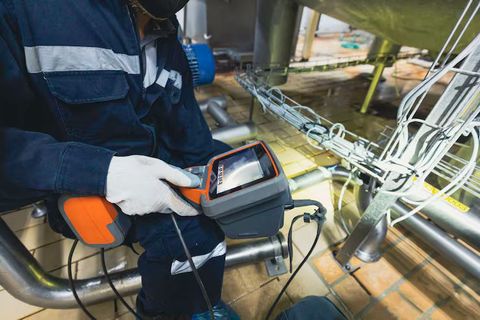
Before installation, tanks often go through inspection procedures such as dimensional checks, weld testing, leak testing, pressure testing, and surface evaluation. These checks help confirm that the tank is suitable for its intended use.
Modular and Custom Fabrication
In some cases, tanks are manufactured in sections and assembled at the site, especially when they are too large to transport easily. Custom fabrication is also common when a facility needs a tank with specific nozzles, insulation, access points, or support structures.
Applications Across Process Industries
Industrial tanks are used in many sectors because storage and controlled handling of materials are part of almost every production system.
Chemical Processing
Chemical plants use tanks for raw material storage, mixing, reaction support, and intermediate holding. Chemical compatibility is especially important in this sector.
Food and Beverage
Food manufacturers use tanks for milk, edible oils, syrups, water, fermentation, and ingredient blending. Cleanability and material safety are major priorities.
Pharmaceuticals and Biotechnology
These industries rely on tanks for purified water, solution preparation, fermentation, and sterile processing. Design standards are often strict because product quality and contamination control are critical.
Water Treatment
Water and wastewater plants use tanks for collection, treatment stages, chemical dosing, and storage. Durability and corrosion resistance are key concerns.
Oil, Energy, and Industrial Processing
Fuel storage, lubricants, thermal fluids, and industrial liquids are often handled through large tank systems that support ongoing plant operations.
Agriculture and Fertilizer Handling
Agricultural operations may use tanks for water storage, liquid fertilizers, chemicals, and processing inputs. Material resistance and weather exposure are important considerations here.
Factors That Influence Tank Selection
Choosing the right tank involves more than capacity alone. Several practical factors shape the final design:
- Type of liquid, chemical, or material being stored
- Required storage volume
- Indoor or outdoor installation environment
- Pressure and temperature conditions
- Cleaning and maintenance requirements
- Corrosion risk and material compatibility
- Connection to pumps, pipelines, and process systems
- Space availability at the installation site
- Regulatory and safety requirements relevant to the industry
A tank used in a pharmaceutical plant may need polished stainless steel and precise fittings, while a wastewater tank may focus more on corrosion resistance and large-volume handling.
The Role of Standards and Quality Control
Industrial tanks are often manufactured according to recognized engineering codes and quality practices. These standards help improve safety, consistency, and reliability. Depending on the tank type and location, requirements may relate to material traceability, welding procedures, structural calculations, pressure design, and inspection records.
Quality control during manufacturing helps identify issues before installation. It also supports safer operation once the tank becomes part of a working facility.
Conclusion
Industrial tank manufacturing solutions are a key part of modern storage and process infrastructure. From water treatment and food production to chemicals and energy systems, tanks help industries store, mix, protect, and manage essential materials. What appears to be a simple storage vessel is often the result of careful engineering, material planning, fabrication technology, and application-specific design.
As industrial operations become more advanced, tank manufacturing continues to evolve with better fabrication methods, improved materials, and more specialized storage systems. Understanding how these tanks are designed and where they are used helps make sense of an important area of industrial equipment that supports everyday production behind the scenes.