Injection Moulding Machines Overview: Basics, Process, and Industrial Insights Guide
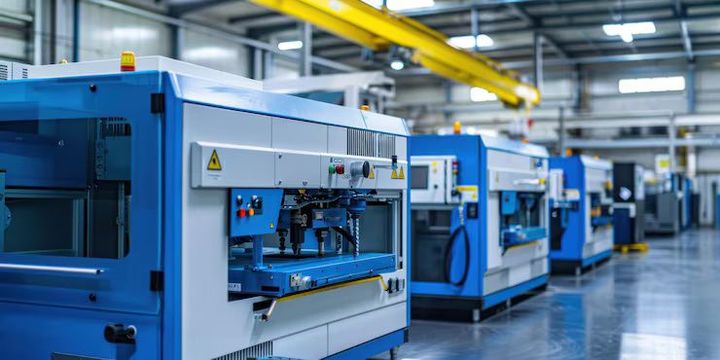
Injection moulding machines are industrial systems used to produce parts by injecting molten material into a mould. These machines are widely used in manufacturing plastic components for industries such as automotive, packaging, healthcare, and electronics. The process exists to enable mass production of complex shapes with high precision, consistency, and efficiency.
Injection moulding machines operate by heating raw materials, typically plastic pellets, until they melt. The molten material is then injected into a mould cavity, where it cools and solidifies into the desired shape.
This process allows manufacturers to produce large volumes of identical parts with minimal variation, making it ideal for mass production in modern industries.
Why Injection Moulding Machines Matter Today
Injection moulding machines are crucial in manufacturing for their ability to produce high-quality components at scale. They help industries achieve faster production and consistent quality while minimizing waste.
Key Benefits Include:
- Mass Production: Efficient creation of plastic parts in large volumes.
- Precision Engineering: High accuracy for medical devices and electronics.
- Material Efficiency: Reduces waste compared to traditional methods.
- Automation: Enhances productivity and reduces manual labor.
Industries That Benefit:
- Automotive: Dashboard parts, connectors, and interior components.
- Consumer Goods: Containers, packaging, and household products.
- Electronics: Housings and electronic components.
- Healthcare: Syringes, medical devices, and laboratory components.
How Injection Moulding Machines Work
The process typically involves four main stages:
| Stage | Description |
|---|---|
| Clamping | Mould is securely closed before material injection |
| Injection | Molten material is injected into the mould cavity |
| Cooling | Material cools and solidifies into shape |
| Ejection | Finished product is removed from the mould |
Key Components
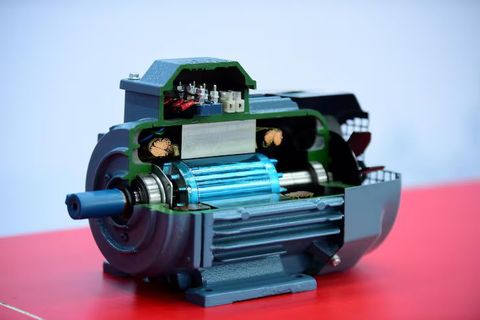
- Injection Unit: Melts and injects the material.
- Clamping Unit: Holds the mould in place.
- Mould: Shapes the final product.
- Control System: Manages temperature, pressure, and timing.
Types of Injection Moulding Machines
Different machines are suited for various applications:
| Type | Key Feature | Typical Use Case |
|---|---|---|
| Hydraulic | High force, durable | Large industrial parts |
| Electric | Energy-efficient, precise | Electronics, medical components |
| Hybrid | Combines hydraulic & electric | General manufacturing |
Each type has advantages depending on production requirements, energy efficiency, and precision needs.
Recent Updates and Trends (2024–2026)
Injection moulding technology has evolved rapidly, driven by automation and sustainability goals:
- 2024: Increased adoption of energy-efficient electric machines.
- 2025: Growth of IoT-enabled smart manufacturing systems.
- 2026: Rising use of recycled and biodegradable materials.
Key Trends
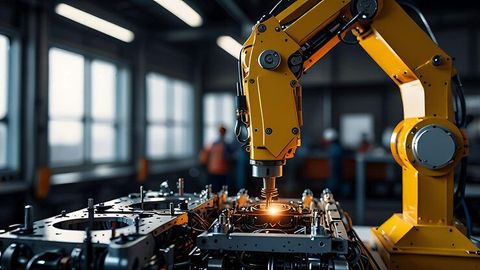
- Automation and robotics for faster production.
- AI-based quality control systems.
- Lightweight material innovations for automotive and packaging.
- Digital twin technology for simulation and optimization.
These advancements improve efficiency while reducing environmental impact.
Laws, Policies, and Regulations
Injection moulding operations are influenced by environmental and safety regulations:
- Environmental Protection Rules: Control emissions and waste management.
- Plastic Waste Management Rules (2022–2024): Promote recycling and limit single-use plastics.
- Factory Safety Regulations: Ensure worker safety during operation.
Global Standards
- ISO standards for quality and safety.
- Guidelines for sustainable material usage.
Compliance ensures responsible manufacturing and adoption of eco-friendly materials.
Tools and Resources for Optimization
Professionals and learners can use several tools to understand and optimize processes:
- Simulation Software: Mould flow analysis and process simulations.
- CAD Software: Design moulds and components accurately.
- Process Monitoring Systems: Track production in real time.
- Material Databases: Choose suitable polymers for applications.
- Technical Documentation: Access standards, manuals, and guides.
These tools improve design accuracy, reduce defects, and enhance production efficiency.
Process Efficiency Overview
| Factor | Traditional Methods | Injection Moulding Machines |
|---|---|---|
| Production Speed | Moderate | High |
| Precision | Limited | Very high |
| Waste Generation | Higher | Lower |
| Scalability | Limited | Excellent |
Injection moulding outperforms traditional methods in speed, precision, waste reduction, and scalability.
Frequently Asked Questions
What materials are used in injection moulding machines?
Thermoplastics such as polyethylene, polypropylene, and ABS are common. Some machines also process thermosetting plastics and elastomers.
How long does the injection moulding process take?
Cycle times vary by product size and material, typically ranging from a few seconds to a couple of minutes.
What industries use injection moulding machines the most?
Automotive, packaging, healthcare, electronics, and consumer goods are the primary users.
Are injection moulding machines energy efficient?
Modern electric and hybrid machines are designed for energy efficiency, reducing overall power usage compared to older systems.
What are common defects in injection moulding?
Typical defects include warping, sink marks, and incomplete filling, often caused by incorrect temperature or pressure settings.
Conclusion
Injection moulding machines are vital in modern manufacturing, enabling precise and complex component production at scale.
Their importance grows as industries demand efficiency, sustainability, and automation. With continuous technological and material advancements, these machines are evolving to meet future industrial needs. Understanding their processes, applications, and regulations ensures informed decisions for businesses and professionals alike.