Laboratory Washer Sterilizer Guide: Understanding Cleaning and Sterilization Systems
Laboratories, hospitals, research centers, and pharmaceutical production facilities rely on clean and sterile equipment to maintain safety and accuracy.
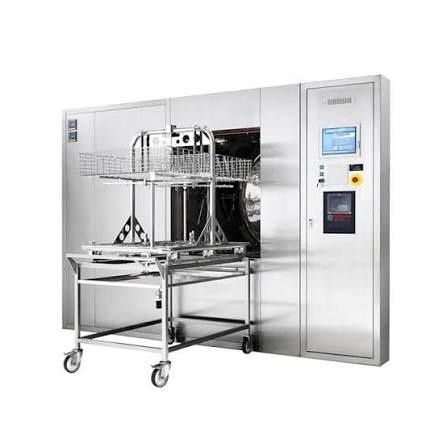
A laboratory washer sterilizer is a specialized system designed to clean, disinfect, and sterilize laboratory tools, glassware, containers, and other reusable items. These systems help remove contaminants that may affect research results, product quality, or patient safety.
The development of laboratory sterilization equipment has been closely linked to advances in healthcare, pharmaceutical manufacturing, and scientific research. As laboratories became more complex and regulations became stricter, manual cleaning methods were often no longer sufficient. Automated systems emerged to improve consistency and reduce the possibility of contamination.
Modern laboratory washer disinfectors combine cleaning and disinfection functions within a controlled process. Many systems use programmable cycles that regulate water temperature, detergents, rinsing stages, and drying conditions. Some advanced units also include sterilization functions, creating a complete cleaning and sterilization workflow.
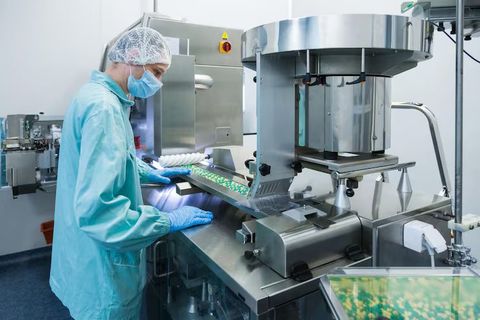
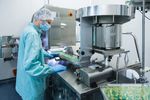
Pharmaceutical washer sterilizers are commonly used in environments where strict contamination control is essential. Similarly, medical washer sterilizers play an important role in healthcare settings by preparing reusable instruments and equipment for safe use. These technologies form part of a broader category known as sterile processing equipment, which supports hygiene and quality standards across multiple industries.
As laboratories continue to adopt automation, automated laboratory washers and smart laboratory sterilization technologies are becoming increasingly common. These systems help laboratories manage larger workloads while maintaining standardized cleaning procedures.
Importance
Supporting Reliable Laboratory Results
Clean equipment is essential for obtaining accurate laboratory results. Residues from previous experiments, biological materials, or chemical compounds can interfere with testing procedures. Laboratory cleaning systems help reduce the risk of contamination and improve consistency across different testing processes.
Protecting Healthcare and Research Environments
Hospitals and medical facilities depend on effective cleaning and sterilization procedures. Hospital sterilization equipment is used to prepare reusable items for safe handling and use. Proper sterilization practices help reduce the spread of microorganisms and support infection prevention programs.
Maintaining Pharmaceutical Quality Standards
Pharmaceutical production often requires highly controlled environments. Pharmaceutical washer sterilizers are designed to clean production components, containers, and laboratory tools according to strict quality requirements. Effective cleaning helps prevent cross-contamination between different products and manufacturing processes.
Reducing Manual Handling
Manual cleaning can be time-consuming and may produce inconsistent results. Automated laboratory washers perform cleaning cycles according to predefined settings, reducing variability and supporting standardized procedures.
Some benefits of automation include:
- Consistent cleaning cycles
- Reduced human error
- Improved documentation and traceability
- Efficient use of water and cleaning agents
- Enhanced workplace safety
Supporting Regulatory Compliance
Many industries must follow documented cleaning and sterilization procedures. Laboratory equipment sterilization systems often include monitoring and record-keeping functions that help organizations maintain compliance with operational requirements.
Recent Updates
Growth of Smart Laboratory Sterilization
A major trend in recent years has been the expansion of smart laboratory sterilization technologies. Modern systems increasingly incorporate digital controls, automated monitoring, and data recording features.
Operators can often track cycle performance through touchscreen interfaces and connected software platforms. This allows laboratories to maintain detailed records of cleaning and sterilization activities.
Increased Integration with Laboratory Management Systems
Many laboratory washer sterilizer systems now integrate with digital laboratory management platforms. This integration allows cleaning records, equipment status information, and maintenance data to be stored electronically.
Benefits of digital integration include:
- Improved traceability
- Easier audit preparation
- Automated record storage
- Enhanced workflow visibility
Focus on Sustainability
Manufacturers have continued developing systems that reduce water and energy consumption while maintaining cleaning performance. Laboratory cleaning systems increasingly use optimized spray patterns, efficient drying technologies, and programmable cycles to support resource management goals.
Expansion of Automated Processing
Automated laboratory washers are becoming more common across research institutions, pharmaceutical facilities, and healthcare organizations. Increased automation helps laboratories manage larger workloads while maintaining standardized operating procedures.
Advanced Validation Features
Recent developments have also emphasized validation and process verification. Many modern systems include sensors and monitoring technologies that track key parameters such as:
- Temperature
- Water pressure
- Cycle duration
- Drying performance
- Sterilization conditions
These features help operators verify that each cycle meets established requirements.
Understanding Common Washer Sterilizer Components
Different types of laboratory sterilization equipment may vary in design, but many share similar components and operating principles.
| Component | Primary Function |
|---|---|
| Wash Chamber | Holds equipment during cleaning and sterilization |
| Spray Arms | Distribute water and cleaning solutions |
| Filtration System | Removes particles and contaminants |
| Drying System | Removes moisture after washing |
| Control Panel | Manages cycle settings and monitoring |
| Sensors | Track temperature, pressure, and performance |
| Loading Racks | Organize laboratory items during processing |
| Data Recording System | Stores operational information and cycle records |
Typical Processing Stages
Most laboratory washer disinfectors operate through several stages:
- Pre-rinse to remove loose debris.
- Cleaning cycle using water and cleaning agents.
- Intermediate rinsing process.
- Thermal disinfection or sterilization stage.
- Final rinse.
- Drying cycle.
- Documentation and cycle completion.
The exact process depends on the type of equipment and application requirements.
Laws or Policies
Healthcare Regulations
Healthcare facilities typically follow national and regional regulations governing infection prevention and equipment processing. Medical washer sterilizers and hospital sterilization equipment must operate according to documented procedures that support patient safety objectives.
Regulatory agencies often require organizations to maintain records showing that cleaning and sterilization processes are performed consistently and monitored appropriately.
Pharmaceutical Manufacturing Standards
Pharmaceutical environments are generally subject to strict manufacturing regulations. Pharmaceutical washer sterilizers may require validation procedures demonstrating that cleaning and sterilization processes achieve the intended outcomes.
Organizations commonly maintain documentation related to:
- Equipment qualification
- Process validation
- Maintenance activities
- Performance monitoring
- Staff training
Laboratory Accreditation Requirements
Research and testing laboratories may follow accreditation frameworks that include requirements for equipment maintenance and contamination control. Laboratory equipment sterilization processes often form part of broader quality management systems.
Environmental Considerations
Many jurisdictions regulate water discharge, chemical handling, and waste management practices. Laboratory cleaning systems may incorporate technologies that help organizations align with environmental requirements while maintaining operational performance.
Tools and Resources
A variety of tools and resources help organizations manage cleaning and sterilization activities.
Validation and Documentation Software
Digital record-keeping platforms can track cleaning cycles, maintenance schedules, and performance verification activities. These systems support traceability and documentation management.
Regulatory Guidance Documents
Government agencies, healthcare organizations, and standards bodies publish guidance documents related to sterilization, disinfection, and contamination control practices.
Examples include:
- Healthcare sterilization guidelines
- Pharmaceutical manufacturing guidance
- Laboratory quality management standards
- Equipment validation frameworks
Maintenance Tracking Platforms
Maintenance software helps organizations monitor equipment performance and schedule preventive maintenance activities. Regular maintenance supports consistent operation of sterile processing equipment.
Training Resources
Educational materials covering laboratory cleaning systems, sterilization methods, and contamination control practices help personnel understand operational requirements and safety procedures.
Monitoring and Validation Instruments
Various instruments are used to verify cleaning and sterilization performance, including:
- Temperature monitoring devices
- Pressure monitoring systems
- Data loggers
- Validation indicators
- Process verification tools
FAQs
What is a laboratory washer sterilizer?
A laboratory washer sterilizer is a system designed to clean, disinfect, and sterilize laboratory equipment, glassware, and reusable items through automated processing cycles.
How do laboratory washer disinfectors differ from standard washers?
Laboratory washer disinfectors use controlled cleaning and disinfection processes designed for scientific, healthcare, and pharmaceutical environments. Standard washers generally do not provide the same level of process control and documentation.
Where are pharmaceutical washer sterilizers commonly used?
Pharmaceutical washer sterilizers are commonly used in pharmaceutical manufacturing facilities, research laboratories, quality control departments, and production environments where contamination control is important.
Why is laboratory equipment sterilization important?
Laboratory equipment sterilization helps reduce contamination risks, supports accurate testing results, and contributes to safety in healthcare, research, and manufacturing environments.
What features are included in smart laboratory sterilization systems?
Smart laboratory sterilization systems often include digital controls, automated monitoring, data recording, remote diagnostics, cycle tracking, and integration with laboratory management platforms.
Conclusion
Laboratory washer sterilizer systems play an important role in maintaining cleanliness, safety, and contamination control across laboratories, healthcare facilities, and pharmaceutical environments. Modern laboratory sterilization equipment combines automated cleaning, disinfection, and monitoring technologies to support consistent processing outcomes. Trends such as digital integration, smart laboratory sterilization, and enhanced validation capabilities continue to shape the development of these systems. Understanding how laboratory cleaning systems operate helps organizations maintain reliable workflows while supporting quality and regulatory requirements.