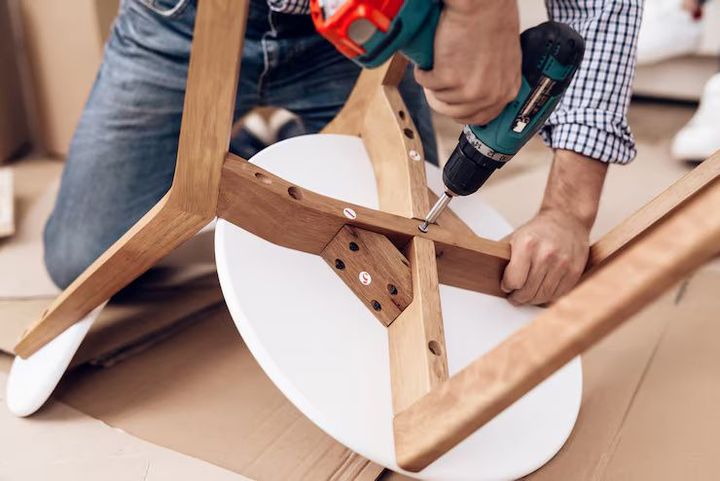
Learn the Basics of Furniture Parts Used in Different Types of Furniture
Furniture is an essential part of everyday life, providing comfort, storage, organization, and functionality in homes, offices, educational institutions, and commercial spaces.
While most people recognize finished furniture pieces, fewer understand the individual furniture parts that contribute to their strength, appearance, and long-term durability. Learning about these components helps consumers, designers, and manufacturers better appreciate how furniture is built and why different pieces perform differently over time.
Whether assembling a dining table, selecting office furniture, or restoring an older cabinet, understanding furniture parts makes it easier to identify quality construction and suitable materials. From structural frames to decorative hardware, every component plays a specific role in supporting functionality and aesthetics. This furniture parts guide explores the essential components commonly found in different furniture types while explaining their practical applications and importance.
This article covers the basic furniture parts, their functions, common materials, hardware components, real-world applications, and key considerations when evaluating furniture construction.
What Are Furniture Parts?
Furniture parts are the individual structural, mechanical, and decorative components that combine to create a complete piece of furniture. These parts work together to provide stability, support, movement, storage, and visual appeal.
Some components remain visible, such as table legs or cabinet handles, while others—including connectors, brackets, and internal supports—are hidden within the furniture structure.
For example, a simple office desk may include a tabletop, legs, support rails, drawer slides, screws, hinges, and leveling feet, each serving a distinct purpose.
Main Structural Furniture Parts
Frames
The frame forms the foundation of most furniture pieces. It supports weight, maintains structural integrity, and connects the remaining components together.
Frames may be constructed from solid wood, engineered wood, metal, or composite materials depending on the furniture's intended use.
Legs
Legs elevate furniture while distributing weight evenly across the floor. Tables, chairs, sofas, cabinets, and beds all rely on properly designed legs for stability.
Different leg styles also contribute to the furniture's overall appearance and design character.
Panels
Panels create flat surfaces such as tabletops, cabinet sides, shelves, drawer fronts, and doors. They may be manufactured from plywood, medium-density fiberboard (MDF), particleboard, solid wood, glass, or metal.
Panel selection influences durability, weight, and visual finish.
Support Rails
Support rails strengthen furniture by connecting structural components and reducing movement under load.
For example, dining tables often include rails beneath the tabletop to improve rigidity, while bed frames use side rails to support mattresses and slats.
Common Hardware Components
Hardware allows furniture to move, open, close, adjust, and remain securely assembled.
Hinges
Hinges enable cabinet doors, storage benches, and folding furniture to open and close smoothly while maintaining proper alignment.
Drawer Slides
Drawer slides guide drawer movement and improve accessibility. Modern designs often incorporate soft-close mechanisms that reduce noise and minimize wear.
Fasteners
Screws, bolts, dowels, cams, brackets, and connectors secure furniture components together. Proper fastener selection contributes significantly to structural strength.
Handles and Knobs
Handles and knobs improve usability while adding decorative detail to cabinets, drawers, wardrobes, and storage furniture.
Although relatively small, these components influence both functionality and overall design.
Furniture Parts Used in Different Types of Furniture
Different furniture categories require specialized combinations of components.
Dining tables primarily consist of tabletops, support frames, legs, and connecting hardware designed to provide stability during regular use.
Office desks often include work surfaces, cable management features, drawers, keyboard trays, and adjustable legs depending on their intended function.
Beds incorporate headboards, footboards, side rails, center supports, slats, and fastening systems that collectively provide mattress support.
Cabinets rely heavily on panels, shelves, hinges, drawer slides, handles, and locking mechanisms to maximize storage efficiency.
Sofas contain internal wooden or metal frames, springs, foam cushioning, upholstery fabric, webbing, and support legs that together determine comfort and durability.
Materials Commonly Used for Furniture Parts
The choice of material affects appearance, strength, maintenance requirements, and product lifespan.
Solid wood remains popular because of its natural beauty, repairability, and long-term durability. Engineered wood products such as plywood and MDF provide consistent performance while supporting modern manufacturing techniques.
Metal components contribute strength and are frequently used in office furniture, shelving systems, and industrial designs.
Plastic parts often appear in adjustable mechanisms, protective caps, glides, and lightweight furniture applications.
Glass panels add visual openness to cabinets and tables, while upholstery materials contribute comfort and aesthetic appeal.
Selecting appropriate materials depends on the furniture's intended environment, expected usage, and design goals.
Why Furniture Parts Matter
Understanding furniture construction provides practical benefits beyond basic product knowledge.
Quality structural components generally improve durability and reduce the likelihood of premature wear or instability.
Well-designed hardware contributes to smoother operation, particularly for drawers, cabinets, and adjustable furniture.
Knowledge of furniture parts also simplifies repairs because individual components can often be replaced without replacing the entire furniture piece.
Manufacturers similarly benefit from standardized parts that improve production efficiency and simplify maintenance throughout the product lifecycle.
Decision Guide: Understanding Furniture Construction
Choosing the best furniture parts depends on the intended application, expected usage, material preferences, and long-term maintenance considerations.
Furniture intended for heavy daily use often benefits from solid structural frames, durable hardware, and high-quality fasteners. Decorative furniture may place greater emphasis on appearance while still requiring adequate structural support.
A furniture parts comparison generally considers material durability, weight, repairability, manufacturing quality, and resistance to moisture, scratches, and everyday wear.
In many cases, solid wood components tend to work well for longevity, while engineered materials may provide greater consistency and affordability for modern furniture designs.
The real difference appears when quality materials, precision manufacturing, and reliable hardware combine to create furniture that remains stable, functional, and visually appealing throughout years of regular use.
Real-World Applications
Furniture parts are essential across residential, commercial, and institutional settings.
Homeowners replacing cabinet hinges or drawer slides can extend furniture life without replacing complete units.
Office furniture manufacturers rely on standardized components that simplify assembly and maintenance across large workplace installations.
Educational institutions frequently choose modular furniture with replaceable parts that support long-term durability in high-use environments.
Hotels, healthcare facilities, and retail spaces also benefit from furniture designed with serviceable components that reduce maintenance costs and minimize operational disruption.
These examples illustrate how understanding furniture parts supports better purchasing decisions and long-term furniture performance.
Emerging Trends in Furniture Components
Furniture manufacturing continues evolving through new materials and innovative engineering.
Sustainable materials, recycled composites, and responsibly sourced wood are becoming increasingly common in modern furniture production.
Tool-free assembly systems simplify installation while reducing the number of traditional fasteners required.
Soft-close hardware, concealed hinges, modular connectors, and adjustable mechanisms continue improving functionality and user experience.
Digital manufacturing technologies also allow greater precision, resulting in furniture parts with tighter tolerances and improved assembly consistency.
Frequently Asked Questions
1. What are furniture parts?
Furniture parts are the structural, mechanical, and decorative components that combine to form complete furniture pieces.
2. What are the main structural furniture parts?
Common structural components include frames, legs, panels, support rails, shelves, and connecting hardware.
3. Why are furniture hardware components important?
Hardware enables furniture to open, close, adjust, support weight, and remain securely assembled while improving usability.
4. Which materials are commonly used for furniture parts?
Solid wood, plywood, MDF, particleboard, metal, plastic, glass, and upholstery materials are among the most widely used.
5. Why is understanding furniture parts useful?
Knowledge of furniture parts helps consumers evaluate construction quality, perform repairs, understand maintenance requirements, and make informed purchasing decisions.
Conclusion
Understanding furniture parts provides valuable insight into how furniture achieves strength, functionality, comfort, and long-term durability. Every structural component, hardware element, and material contributes to the overall performance of a finished piece, whether it is designed for residential, commercial, or institutional use. A comprehensive furniture parts guide highlights the importance of thoughtful construction, quality materials, and reliable hardware when evaluating different types of furniture. As furniture design continues evolving through innovation and sustainable manufacturing, familiarity with these essential components remains useful for making informed decisions and appreciating quality craftsmanship.