Lifting Equipment Standards and Safety Requirements
Lifting equipment standards and safety requirements provide a structured approach to using cranes, hoists, slings, lifting accessories, and related machinery safely.
These requirements generally address equipment design, rated capacity, inspection, maintenance, operator competence, load handling, and workplace conditions.
Understanding lifting equipment standards helps organizations identify hazards before lifting activities begin. Requirements differ between countries and equipment types, so users should always check the regulations and standards that apply to their location and specific equipment.
Context
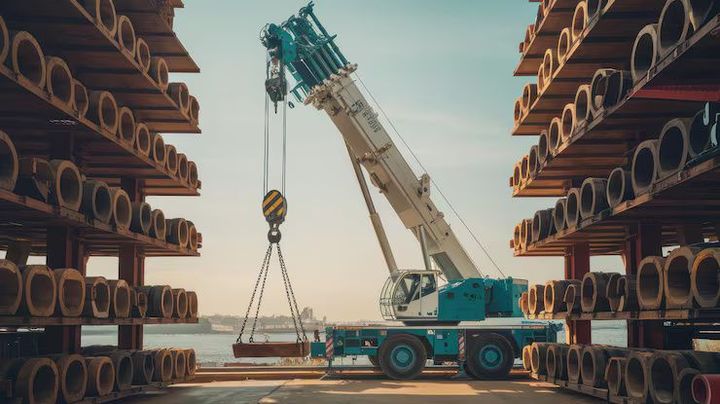
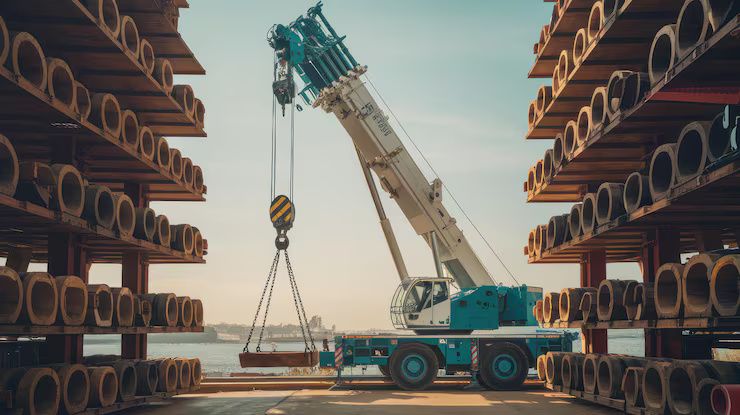
Lifting equipment includes machinery and accessories designed to raise, lower, suspend, or move loads. Common examples include overhead cranes, gantry cranes, mobile cranes, hoists, chain blocks, wire-rope systems, slings, shackles, and lifting beams.
The main purpose of lifting equipment standards is to reduce risks associated with falling loads, equipment failure, uncontrolled movement, overloading, and contact with nearby structures or people.
Standards may cover the entire equipment life cycle, from design and installation through operation, inspection, maintenance, modification, and retirement. ISO 12100, for example, provides principles for machinery risk assessment and risk reduction and emphasizes identifying hazards throughout the machine life cycle.
A basic safety framework can be summarized as follows:
| Safety area | Typical requirement |
|---|---|
| Rated capacity | Equipment should have a clearly identified safe working load |
| Inspection | Equipment should be examined at appropriate intervals |
| Maintenance | Components should remain in sound working condition |
| Operation | Trained and appropriately authorized personnel should operate equipment |
| Load control | Loads should be correctly selected, attached, balanced, and guided |
| Documentation | Inspection, testing, maintenance, and operating information should be retained |
The exact requirements depend on the equipment, working environment, load characteristics, and applicable national regulations.
Importance
Lifting operations can involve significant mechanical forces. A damaged sling, unsuitable attachment point, overloaded crane, or unstable load can create serious hazards.
Lifting equipment standards help establish consistent controls for workers, supervisors, engineers, maintenance personnel, and organizations responsible for workplace safety.
Important areas include:
- Confirming the rated capacity before lifting.
- Checking equipment and accessories before use.
- Keeping people away from suspended loads.
- Maintaining appropriate clearance from structures and electrical hazards.
- Using suitable lifting accessories for the load.
- Following manufacturer instructions and approved procedures.
- Keeping inspection and examination records.
The International Labour Organization recommends that lifting appliances and lifting gear be properly installed, maintained, examined, tested, and operated by appropriately trained personnel according to national requirements.
Capacity is particularly important because the allowable load can change depending on configuration. Sling angle, boom position, lifting radius, attachment arrangement, environmental conditions, and equipment configuration can affect the permitted load.
Recent Updates
Lifting equipment safety continues to develop through updated machinery regulations, digital documentation, risk-assessment practices, and improved monitoring systems.
One important European development is Regulation (EU) 2023/1230 on machinery. The regulation is scheduled to apply from 20 January 2027, replacing the existing EU Machinery Directive framework for covered machinery. Certain provisions began applying earlier, while the main application date remains 20 January 2027.
Another development is the continued emphasis on formal risk assessment. ISO 12100 remains an important reference for machinery safety, while ISO has also published a draft ISO/DIS 12100.3 intended to replace ISO 12100:2010 and related technical reports after completion of the standards process.
Digital inspection records are also becoming more common. Electronic registers can make it easier to track examination dates, equipment identification, maintenance history, defects, and corrective actions. However, digital records do not replace the technical inspection itself.
Modern lifting programs increasingly focus on:
- Risk assessment before lifting activities.
- Traceable inspection records.
- Clear equipment identification.
- Better load-monitoring and warning systems.
- Competence-based operator training.
- Planned maintenance and examination.
- Improved coordination during complex lifting operations.
These developments are intended to make safety controls more systematic rather than relying only on visual checks or operator experience.
Laws or Policies
Lifting equipment regulations vary significantly by jurisdiction. There is no single worldwide law covering every crane, hoist, sling, and lifting accessory.
In the United States, OSHA requirements address several categories of lifting equipment. For example, OSHA 29 CFR 1910.179 covers overhead and gantry cranes and includes requirements relating to rated-load markings, clearances, designated personnel, operating practices, and equipment conditions.
OSHA 29 CFR 1910.184 addresses slings used with material-handling equipment. It covers several sling types, including alloy steel chain, wire rope, metal mesh, synthetic fiber rope, and synthetic web slings.
International guidance also emphasizes examination, testing, documentation, marking, and competent operation. ILO Recommendation No. 175 states that national laws should establish appropriate examination and testing requirements and that lifting appliances and gear should be marked with their maximum safe working load.
For organizations operating internationally, the following approach is useful:
- Identify the country and industry-specific legislation.
- Identify the equipment category and applicable technical standards.
- Review manufacturer instructions and rated-capacity information.
- Establish inspection and examination intervals according to applicable rules.
- Maintain records of tests, inspections, defects, and corrective actions.
- Ensure operators and other involved personnel have appropriate training.
Regulatory requirements can change, so official government and standards-body publications should be checked before establishing a formal lifting program.
Tools and Resources
Several authoritative resources can help users understand lifting equipment standards and safety requirements.
Useful resources include:
- OSHA regulations for crane, hoist, sling, and material-handling requirements.
- ISO machinery safety standards and risk-assessment guidance.
- ILO occupational safety and health codes and recommendations.
- National workplace safety authorities and regulatory databases.
- Manufacturer manuals and rated-capacity charts.
- Inspection registers and equipment identification records.
- Risk-assessment and lifting-plan templates.
OSHA provides a dedicated collection of crane, derrick, and hoist safety standards covering general industry, maritime activities, and other areas.
The ILO also provides guidance covering lifting appliances, loose gear, inspection, testing, documentation, and safe working loads.
A practical inspection record can include equipment identification, rated capacity, inspection date, examiner details, findings, corrective actions, and the next required examination date.
FAQs
What are lifting equipment standards?
Lifting equipment standards are technical and regulatory requirements covering the safe design, installation, operation, inspection, testing, maintenance, and documentation of lifting machinery and accessories.
Why is rated capacity important?
Rated capacity identifies the maximum permitted load under specified conditions. Exceeding that limit can increase the likelihood of structural failure, instability, or loss of load control.
How often should lifting equipment be inspected?
Inspection and examination intervals depend on equipment type, national regulations, workplace conditions, and manufacturer requirements. Some regulations require examination before initial use and after significant changes or repairs.
Who should operate lifting equipment?
Lifting equipment should be operated by personnel who have received appropriate training and authorization under the applicable regulations. More complex operations may require additional competence in rigging, signaling, or load planning.
What records should be maintained?
Records can include inspection reports, examination certificates, test results, maintenance information, equipment identification, rated capacity, defects, corrective actions, and operator training documentation.
Conclusion
Lifting equipment standards and safety requirements create a framework for controlling hazards associated with cranes, hoists, slings, and other lifting systems. Key principles include appropriate equipment selection, rated-capacity control, inspection, maintenance, competent operation, and effective load management.
Because legal requirements differ between countries and industries, organizations should use applicable national regulations together with relevant technical standards and manufacturer documentation. Regular review of requirements helps keep lifting procedures aligned with current safety expectations.
A structured lifting program should also maintain clear records and documented risk assessments. These practices support safer planning and help identify equipment or procedural issues before they contribute to an incident.