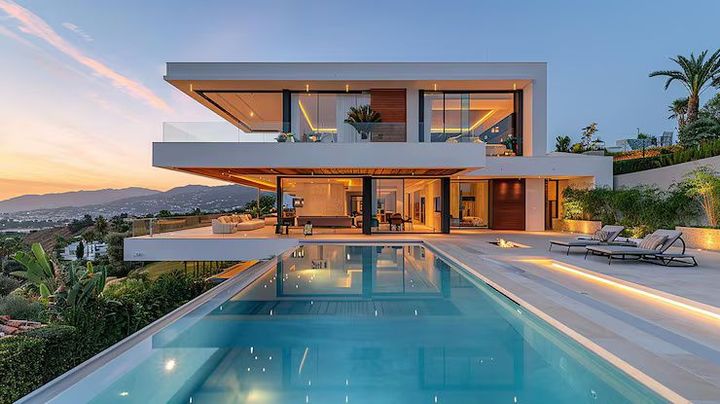
Luxury Villas Guide to Elegant Living, Premium Features, and Modern Residential Design
Luxury villas represent some of the most sophisticated forms of residential architecture, combining spacious layouts, premium materials, advanced technology, and thoughtfully designed living environments.
Whether located along coastlines, in mountain retreats, urban neighborhoods, or private countryside settings, luxury villas are designed to provide comfort, privacy, and functionality while reflecting modern architectural excellence.
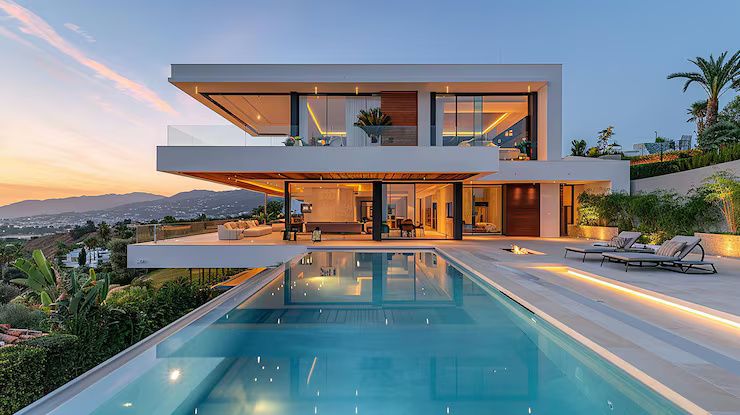
The concept of luxury living has evolved considerably over the years. While expansive floor plans and elegant interiors remain important, today's luxury villas increasingly emphasize sustainability, smart home technology, wellness-focused spaces, and seamless connections between indoor and outdoor environments.
What really matters is that a luxury villa is not defined solely by its size or appearance. High-quality construction, efficient layouts, premium amenities, durable materials, and personalized design all contribute to creating an exceptional residential experience.
This guide explores the fundamentals of luxury villas, examines modern architectural trends, discusses premium features, and highlights the design principles that shape elegant residential living.
What Is a Luxury Villa?
A luxury villa is a high-end residential property designed to provide enhanced comfort, privacy, architectural quality, and premium living spaces.
Unlike standard residential homes, luxury villas often feature larger floor plans, distinctive architecture, carefully selected materials, and amenities intended to improve everyday living. Many also integrate outdoor spaces that complement the home's overall design.
Luxury villas can be found in:
- Coastal destinations
- Mountain communities
- Urban residential neighborhoods
- Countryside estates
- Gated residential developments
Each property reflects different architectural styles while maintaining high standards of construction and design.
Characteristics of Luxury Villas
Several features commonly distinguish luxury villas from conventional homes.
Spacious Floor Plans
Large living areas provide flexibility and comfort.
Premium Construction Materials
High-quality finishes contribute to durability and aesthetics.
Architectural Design
Thoughtfully planned layouts balance functionality and visual appeal.
Privacy
Many villas emphasize private living environments through landscaping, secure access, and carefully planned site layouts.
Premium Amenities
Modern luxury villas frequently include lifestyle-focused features that enhance convenience and relaxation.
Together, these characteristics create a refined residential environment.
Modern Architectural Styles
Luxury villas are available in various architectural styles.
Contemporary Design
Characterized by clean lines, open spaces, and minimalist aesthetics.
Modern Architecture
Emphasizes functionality, natural lighting, and simple geometric forms.
Mediterranean Style
Features warm colors, tiled roofs, courtyards, and elegant outdoor living spaces.
Traditional Luxury Design
Incorporates timeless architectural elements with premium craftsmanship.
Selecting an architectural style often depends on climate, personal preferences, and regional influences.
Interior Design Features
Interior design plays a central role in luxury residential living.
Common design elements include:
- Open-concept layouts
- High ceilings
- Large windows
- Premium flooring materials
- Designer kitchens
- Spacious bedrooms
- Walk-in wardrobes
- Luxury bathrooms
These features support both visual appeal and practical everyday living.
A practical example is a villa that combines expansive living areas with natural daylight through floor-to-ceiling windows.
Outdoor Living Spaces
Outdoor areas have become an important extension of modern luxury homes.
Many villas incorporate outdoor environments that support relaxation, entertainment, and recreation.
Common outdoor features include:
- Landscaped gardens
- Private swimming pools
- Outdoor dining areas
- Terraces
- Courtyards
- Entertainment spaces
Thoughtful landscaping enhances privacy while complementing the home's architecture.
Smart Home Technology
Technology has become an important component of luxury residential design.
Many modern villas integrate intelligent systems that improve convenience and energy management.
Examples include:
- Smart lighting
- Climate control systems
- Automated security features
- Remote home monitoring
- Voice-controlled home automation
These technologies simplify daily living while supporting efficient home management.
The real difference appears when technology integrates seamlessly into everyday routines without disrupting comfort.
Wellness and Lifestyle Amenities
Luxury villas increasingly prioritize wellness-oriented design.
Common wellness features may include:
- Home fitness rooms
- Spa-inspired bathrooms
- Yoga or meditation spaces
- Indoor wellness areas
- Natural ventilation
- Large outdoor relaxation zones
These spaces help create balanced living environments focused on comfort and well-being.
Sustainability in Luxury Villas
Sustainability has become an important consideration in high-end residential construction.
Modern luxury villas may incorporate environmentally responsible design strategies such as:
- Energy-efficient lighting
- High-performance insulation
- Solar energy systems
- Rainwater harvesting
- Water-efficient fixtures
- Sustainable building materials
These features help improve resource efficiency while supporting long-term environmental goals.
Comparing Common Villa Features
| Feature | Purpose | Residential Benefit |
|---|---|---|
| Open Floor Plan | Spacious Living | Greater Flexibility |
| Smart Home Technology | Automation | Improved Convenience |
| Private Garden | Outdoor Living | Enhanced Privacy |
| Swimming Pool | Recreation | Lifestyle Enhancement |
| Home Office | Productivity | Flexible Work Environment |
| Energy-Efficient Systems | Resource Management | Improved Efficiency |
Understanding these features helps explain how luxury villas support modern lifestyles.
Choosing the Right Luxury Villa
Selecting a luxury villa involves evaluating multiple design and lifestyle factors.
Important considerations include:
- Location
- Architectural style
- Floor plan
- Outdoor space
- Smart home features
- Sustainability measures
- Future maintenance requirements
A practical example is comparing an urban contemporary villa designed for professionals with a coastal property focused on leisure and outdoor living.
The real difference appears when the home's design aligns with the owner's lifestyle and long-term preferences.
Future Trends in Luxury Residential Design
Luxury residential architecture continues evolving through innovation and changing homeowner expectations.
Current trends include:
- Biophilic design that connects indoor and outdoor environments
- AI-powered smart home systems
- Net-zero energy homes
- Flexible multi-purpose living spaces
- Sustainable construction materials
- Wellness-focused architectural planning
Homeowners increasingly value properties that combine advanced technology, environmental responsibility, and timeless architectural design.
What really matters is that future luxury villas will continue emphasizing personalization, sustainability, and intelligent living environments while maintaining exceptional comfort and design quality.
FAQ
1. What defines a luxury villa?
A luxury villa is a premium residential property featuring spacious layouts, high-quality construction, privacy, advanced amenities, and distinctive architectural design.
2. What amenities are commonly found in luxury villas?
Luxury villas often include landscaped gardens, swimming pools, smart home systems, spacious kitchens, home offices, fitness areas, and premium outdoor living spaces.
3. Why is smart home technology popular in luxury villas?
Smart technology improves convenience by allowing homeowners to manage lighting, climate, security, and other household systems efficiently.
4. How do sustainable features benefit luxury homes?
Energy-efficient systems, sustainable materials, and water-saving technologies can improve resource efficiency while supporting environmentally responsible living.
5. What should be considered when selecting a luxury villa?
Location, architectural style, layout, amenities, sustainability features, maintenance requirements, and long-term lifestyle preferences are all important considerations.
Conclusion
Luxury villas represent the highest standards of residential design by combining elegant architecture, premium materials, intelligent technology, and thoughtfully planned living environments. Beyond visual appeal, these homes prioritize functionality, privacy, comfort, and long-term value through quality construction and modern design principles.
As architectural innovation continues advancing, luxury villas are increasingly incorporating smart home systems, sustainable building practices, and wellness-focused spaces that support contemporary lifestyles. Understanding these design concepts helps homeowners, architects, and property enthusiasts appreciate how luxury residential living continues to evolve in response to changing expectations and technological progress.