Machine learning inspection cameras are advanced systems that combine artificial intelligence with imaging technology to automate visual inspection tasks. They are designed to analyze images, detect defects, and ensure product quality with high precision.
These systems address the limitations of manual inspection, which can be slow, inconsistent, and error-prone. By learning from large datasets, machine learning models continuously improve their accuracy and performance over time.
Key Components of Inspection Systems
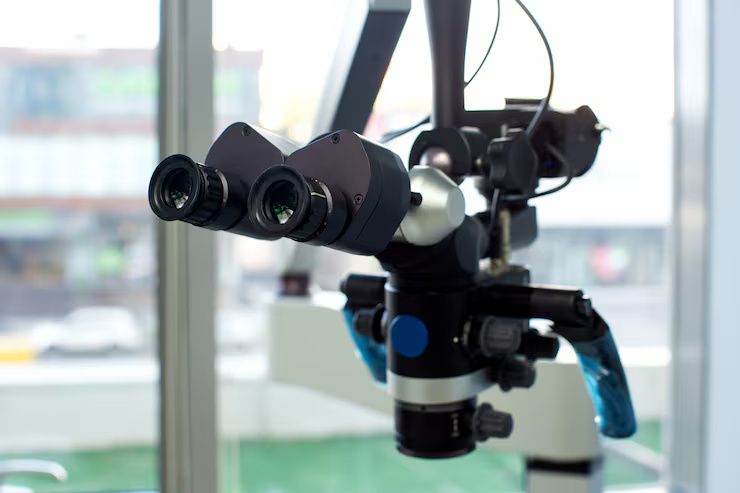
Machine learning inspection cameras rely on several essential components that work together seamlessly. These components ensure efficient image capture, processing, and analysis.
-
High-resolution industrial cameras
-
Machine learning models (often deep learning-based)
-
Image processing software
-
Edge or cloud-based computing systems
These systems are commonly integrated into Industry 4.0 environments, enabling smarter and more connected manufacturing processes.
Why Machine Learning Inspection Cameras Matter
Machine learning inspection cameras play a critical role in modern industries due to increasing automation and digital transformation. They improve both the speed and accuracy of inspection processes across production lines.
They help organizations achieve:
-
Higher accuracy in quality control
-
Faster inspection in high-volume production
-
Consistent defect detection
-
Reduced manual labor and operational costs
Industry Applications
These systems are widely used across multiple industries where precision and efficiency are essential. Their ability to operate in real time makes them highly valuable.
-
Electronics manufacturing (PCB inspection)
-
Automotive production (component verification)
-
Pharmaceutical packaging (label validation)
-
Food processing (contamination detection)
Machine learning inspection cameras also solve the problem of variability in human inspection. Unlike humans, they apply consistent criteria and can process thousands of images per minute.
Recent Trends and Developments in 2025
In 2025, machine learning inspection camera technology has advanced significantly. Innovations are focused on improving speed, accuracy, and scalability.
Key developments include:
-
Integration of edge AI for real-time processing
-
Use of advanced neural networks and vision transformers
-
Enhanced imaging in low-light and high-speed conditions
-
Growth of cloud-based analytics platforms
Emerging Innovations
Several new approaches are shaping the future of inspection systems. These innovations are making systems more efficient and easier to deploy.
-
Use of synthetic data for training models
-
Adoption of explainable AI (XAI)
-
Integration with IoT-enabled smart factories
These advancements allow systems to detect even microscopic defects and improve transparency in decision-making.
Regulatory and Policy Considerations
Machine learning inspection cameras must comply with various regulations related to safety, data protection, and quality standards. Compliance ensures that systems operate responsibly and effectively.
Key Regulatory Areas
-
Data privacy laws for image and video storage
-
Workplace safety standards
-
Industry-specific compliance requirements
-
Quality standards such as ISO 9001
In India, compliance includes the Factories Act and Bureau of Indian Standards (BIS). Globally, regulations like GDPR and OSHA guidelines influence system deployment.
Tools and Resources for Implementation
A variety of tools support the development and deployment of machine learning inspection cameras. These tools help streamline workflows from data collection to model deployment.
Common Tools
-
TensorFlow and PyTorch for model development
-
Image annotation software
-
Industrial camera SDKs
-
Edge AI hardware platforms
-
Cloud-based machine learning services
Typical Workflow
-
Capture image using industrial camera
-
Pre-process image for clarity
-
Apply machine learning model
-
Detect defects or classify objects
-
Output results to a system dashboard
Processing Approaches Comparison
| Processing Type | Latency Level | Data Handling | Use Case Example |
|---|
| Edge Computing | Low | Local processing | Real-time defect detection |
| Cloud Processing | Moderate | Remote servers | Large-scale analytics |
| Hybrid Systems | Balanced | Combined approach | Smart factory environments |
Performance Metrics and Technical Insights
Machine learning inspection cameras typically use convolutional neural networks (CNNs) for image analysis. Their performance is measured using multiple metrics to ensure reliability.
Key Performance Metrics
-
Accuracy
-
Precision and recall
-
False positive rate
-
Processing speed
Performance Comparison
| Metric | Traditional Inspection | ML Inspection Cameras |
|---|
| Accuracy | Moderate | High |
| Speed | Low to Moderate | High |
| Scalability | Limited | Strong |
| Adaptability | Low | High |
Implementation Challenges
-
Need for high-quality training data
-
Complex initial setup
-
Integration with existing systems
-
Data storage and processing requirements
Despite these challenges, continuous advancements are making these systems more accessible and efficient.
Frequently Asked Questions
What is a machine learning inspection camera?
It is a system that uses AI and imaging technology to automatically analyze images and detect defects in real time.
How is it different from traditional inspection?
Traditional systems rely on predefined rules, while machine learning systems learn from data and improve over time.
What industries use these systems?
They are used in manufacturing, automotive, healthcare, electronics, logistics, and food processing.
Can they replace human inspectors?
They can automate repetitive tasks, but human oversight is still required for complex decisions and validation.
What are the main benefits?
-
Improved accuracy
-
Faster inspection
-
Reduced errors
-
Better scalability
-
Consistent quality control
Conclusion
Machine learning inspection cameras represent a major advancement in industrial automation. They combine AI and imaging technologies to deliver faster, more accurate, and scalable inspection processes.
Recent developments such as edge computing, explainable AI, and smart factory integration continue to enhance their capabilities. At the same time, regulatory frameworks ensure safe and ethical usage.
As industries evolve, these systems are expected to play a key role in improving quality control, operational efficiency, and data-driven decision-making.