Marketing Automation: Complete Guide to Streamlining Modern Marketing Processes
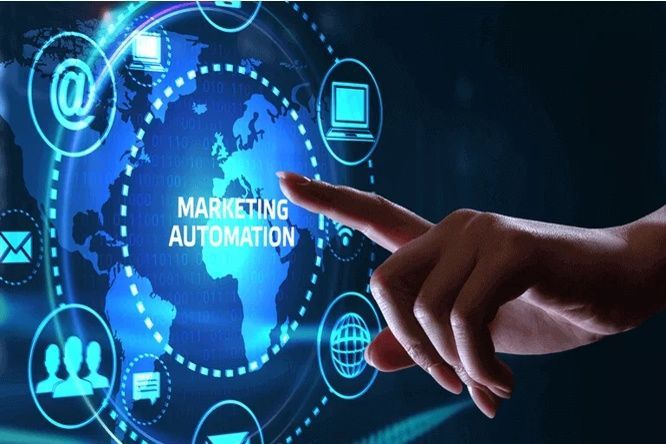
Marketing automation is the use of technology and automated workflows to manage, execute, and measure marketing activities more efficiently.
It helps organizations streamline repetitive marketing tasks while maintaining consistent communication with their target audience.
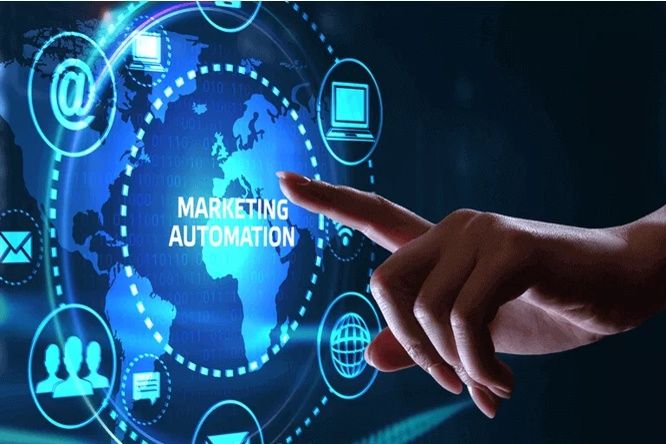
As digital channels continue to expand, businesses often interact with customers through email, social media, websites, mobile applications, and other online platforms. Managing these interactions manually can become challenging as audience size grows.
Marketing automation helps improve efficiency, enhance customer engagement, and support data-driven decision-making. It has become an important component of digital marketing strategy, customer relationship management, lead generation, email marketing, and customer engagement initiatives.
Understanding the Concept
Marketing automation refers to the process of automating marketing activities based on predefined rules, customer behavior, and business objectives.
Instead of manually sending messages, tracking interactions, or managing campaigns, organizations can create automated workflows that respond to customer actions in real time.
For example, when someone subscribes to a newsletter, an automated sequence can deliver welcome messages, educational content, and relevant updates based on user engagement.
The primary goal is to improve communication efficiency while delivering timely and relevant experiences.
Key Types or Categories
Marketing automation can be categorized based on its purpose and application.
Email Marketing Automation
Email automation allows organizations to send targeted messages based on customer actions and preferences.
Common examples include:
- Welcome email sequences
- Customer onboarding campaigns
- Educational content series
- Re-engagement campaigns
Lead Nurturing Automation
Lead nurturing focuses on guiding potential customers through the decision-making process.
Key activities include:
- Personalized communication
- Behavioral tracking
- Audience segmentation
- Automated follow-up messaging
Social Media Automation
Social media automation helps manage content distribution across multiple platforms.
Typical functions include:
- Content scheduling
- Audience engagement tracking
- Performance monitoring
- Campaign coordination
Customer Journey Automation
Customer journey automation focuses on creating personalized experiences throughout the customer lifecycle.
These workflows adapt based on user actions, interests, and engagement patterns.
Audience Segmentation
Audience segmentation divides customers into groups based on shared characteristics.
Examples include:
- Demographics
- Interests
- Purchase behavior
- Geographic location
- Engagement levels
Segmentation allows organizations to deliver more relevant communications.
Behavioral Marketing Automation
Behavioral automation responds to customer actions such as:
- Website visits
- Content downloads
- Form submissions
- Email interactions
- Product browsing activity
This approach enables more personalized marketing experiences.
How It Works
Marketing automation follows a structured process.
Step 1: Data Collection
Customer information is gathered from websites, forms, applications, and digital interactions.
Step 2: Audience Segmentation
Users are categorized into relevant groups based on characteristics and behaviors.
Step 3: Workflow Creation
Automated workflows are designed to respond to specific customer actions.
Step 4: Trigger Activation
A customer action initiates a predefined sequence.
Examples include:
- Newsletter subscription
- Form completion
- Website registration
- Content engagement
Step 5: Automated Communication
Relevant messages and content are delivered automatically.
Step 6: Performance Monitoring
Marketing teams analyze engagement metrics and campaign results.
Step 7: Optimization
Workflows are refined based on performance data and customer behavior insights.
Core Components and Features
Several key elements support successful marketing automation initiatives.
Workflow Automation
- Automated task execution
- Trigger-based actions
- Customer journey management
- Process standardization
Customer Data Management
- Audience profiles
- Behavioral tracking
- Data organization
- Customer insights
Campaign Management
- Campaign scheduling
- Multi-channel coordination
- Audience targeting
- Performance measurement
Analytics and Reporting
- Engagement tracking
- Conversion analysis
- Campaign effectiveness
- Performance benchmarking
Personalization Features
- Dynamic content delivery
- Audience-specific messaging
- Behavioral targeting
- Customized experiences
Benefits and Advantages
Marketing automation provides numerous advantages for organizations seeking operational efficiency and improved customer engagement.
Increased Efficiency
Automation reduces the need for repetitive manual tasks.
Improved Customer Engagement
Timely and relevant communication helps maintain audience interest.
Better Audience Targeting
Segmentation enables more personalized marketing activities.
Enhanced Lead Management
Automated workflows help guide prospects through different stages of the customer journey.
Consistent Communication
Automated processes ensure messaging remains organized and timely.
Data-Driven Decision Making
Analytics provide valuable insights into customer behavior and campaign performance.
Scalable Marketing Operations
Organizations can manage larger audiences without significantly increasing manual workload.
Real-World Examples and Applications
Marketing automation is widely used across industries.
E-Commerce
Online retailers use automation to engage visitors, recover abandoned carts, and deliver personalized recommendations.
Financial Institutions
Financial organizations use automated communication for customer education, account updates, and engagement programs.
Healthcare Organizations
Healthcare providers automate appointment reminders, educational resources, and patient communication.
Educational Institutions
Universities and training organizations use automation to guide prospective students through enrollment processes.
Technology Companies
Technology organizations automate lead nurturing, product education, and customer onboarding programs.
Professional Services Firms
Consulting and advisory organizations use automated workflows to manage prospect engagement and relationship development.
Important Factors to Understand
Several considerations influence marketing automation success.
Data Quality
Accurate customer information supports effective automation workflows.
Audience Segmentation Strategy
Well-defined audience groups improve communication relevance.
Content Relevance
Automated messages should align with audience interests and needs.
Customer Privacy
Organizations must manage customer information responsibly and comply with applicable privacy regulations.
Workflow Design
Effective workflows should reflect customer behavior and business objectives.
Continuous Optimization
Regular analysis helps identify improvement opportunities.
Common Challenges and Solutions
Marketing automation can present several challenges.
Challenge: Poor Data Quality
Incomplete or inaccurate information can reduce campaign effectiveness.
Solution:
- Regular data audits
- Data validation procedures
- Ongoing database maintenance
Challenge: Over-Automation
Excessive automation may create impersonal customer experiences.
Solution:
- Balance automation with human interaction
- Focus on personalization
- Monitor customer feedback
Challenge: Audience Segmentation Issues
Broad audience groups may reduce relevance.
Solution:
- Develop detailed customer profiles
- Use behavioral data
- Refine segmentation strategies
Challenge: Low Engagement Rates
Automated campaigns may fail to capture audience interest.
Solution:
- Improve content relevance
- Test different messaging approaches
- Analyze engagement patterns
Challenge: Workflow Complexity
Complicated workflows can become difficult to manage.
Solution:
- Maintain clear workflow structures
- Document automation processes
- Conduct periodic reviews
Future Trends and Industry Insights
Marketing automation continues to evolve alongside advances in technology and consumer expectations.
Artificial Intelligence Integration
AI is helping organizations improve personalization, predictive analytics, and customer insights.
Predictive Marketing
Predictive models analyze historical data to anticipate customer behavior and future actions.
Hyper-Personalization
Organizations are creating increasingly tailored customer experiences based on individual preferences.
Omnichannel Marketing
Future automation strategies will coordinate communication across multiple channels more effectively.
Real-Time Customer Engagement
Advanced automation systems are enabling faster responses to customer actions and behaviors.
Advanced Analytics
Enhanced analytics capabilities provide deeper insights into customer journeys and campaign effectiveness.
Customer Experience Focus
Organizations are increasingly prioritizing customer experience as a central component of automation strategies.
Key Takeaways
- Marketing automation streamlines repetitive marketing activities through automated workflows.
- It supports customer engagement, lead nurturing, and audience segmentation.
- Automated communication can improve efficiency and consistency.
- Data quality plays a major role in automation effectiveness.
- Personalization helps create more relevant customer experiences.
- Analytics support performance measurement and optimization.
- Artificial intelligence is expanding automation capabilities.
- Marketing automation continues to play a growing role in modern digital marketing strategies.
Frequently Asked Questions (FAQ)
What is marketing automation?
Marketing automation is the use of automated workflows and technology to manage marketing activities and customer interactions more efficiently.
Why is marketing automation important?
It helps improve efficiency, customer engagement, campaign management, and data-driven decision-making.
What types of activities can be automated?
Common activities include email campaigns, lead nurturing, customer segmentation, audience engagement, and performance tracking.
How does audience segmentation support marketing automation?
Segmentation allows organizations to deliver more relevant content to specific customer groups.
What is lead nurturing?
Lead nurturing involves guiding potential customers through the decision-making process using targeted communication and educational content.
How does personalization improve marketing performance?
Personalization helps ensure content aligns with customer interests, increasing engagement and relevance.
What role does artificial intelligence play in marketing automation?
Artificial intelligence supports predictive analytics, customer insights, and advanced personalization capabilities.
What are common challenges in marketing automation?
Challenges include data quality issues, over-automation, workflow complexity, and maintaining audience engagement.
Conclusion
Marketing automation has become an essential component of modern marketing operations. By automating repetitive tasks and delivering personalized customer experiences, organizations can improve efficiency, strengthen audience engagement, and support long-term growth objectives.
From email campaigns and lead nurturing to customer journey management and analytics, marketing automation helps organizations manage increasingly complex marketing environments. As artificial intelligence, predictive analytics, and personalization technologies continue to advance, marketing automation is expected to play an even greater role in shaping future marketing strategies.