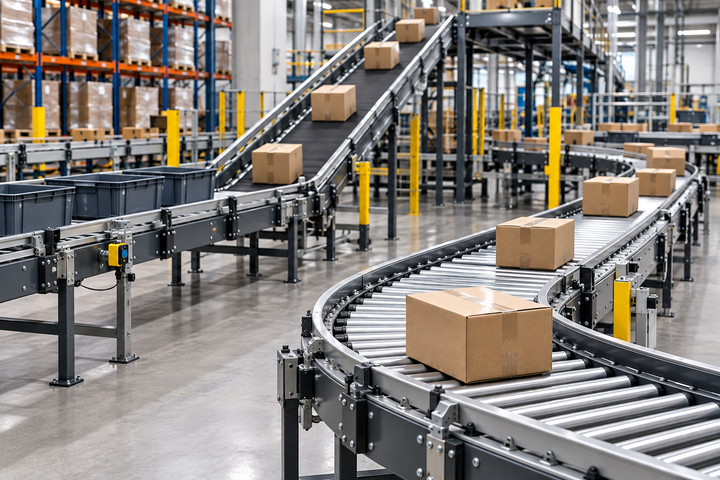
Material Handling Conveyors: System Optimization Tips
Material handling conveyors are essential components in manufacturing facilities, warehouses, distribution centers, logistics hubs, packaging operations, and industrial processing plants.
These systems move products, materials, and components efficiently between different stages of production, storage, and distribution.
As industries focus on improving productivity, reducing downtime, and optimizing workflows, conveyor system performance has become increasingly important. Well-designed and properly maintained conveyor systems help streamline operations, improve material flow, and support consistent output.
This guide explains material handling conveyors, system components, optimization strategies, maintenance practices, and emerging industry trends in a clear and practical way.
Quick Facts About Material Handling Conveyors
| Feature | Description |
|---|---|
| Primary Function | Transport materials and products |
| Common Industries | Manufacturing, logistics, warehousing |
| Movement Types | Horizontal, inclined, vertical |
| Automation Level | Manual to highly automated |
| Control Systems | Sensors, PLCs, smart controls |
| Typical Materials | Packages, pallets, components, bulk materials |
| Key Objective | Efficient material movement |
| Major Benefit | Improved operational productivity |
What Are Material Handling Conveyors?
Material handling conveyors are mechanical systems designed to transport products, materials, and goods from one location to another within a facility.
These systems help reduce manual handling requirements and improve workflow efficiency. Conveyor systems can move individual products, cartons, pallets, containers, raw materials, and finished goods.
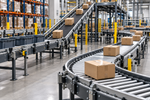
For example, in a distribution center, conveyors move packages from receiving areas to sorting stations and shipping zones, helping maintain a continuous operational flow.
Understanding Conveyor System Operation
A conveyor system consists of interconnected mechanical and control components working together to transport materials safely and efficiently.
The primary goal is to move materials while minimizing delays, congestion, and unnecessary handling.
Main Types of Material Handling Conveyors
Belt Conveyors
Belt conveyors use a continuous belt to transport materials.
Common Applications
- Packaging facilities
- Distribution centers
- Manufacturing lines
- Warehouse operations
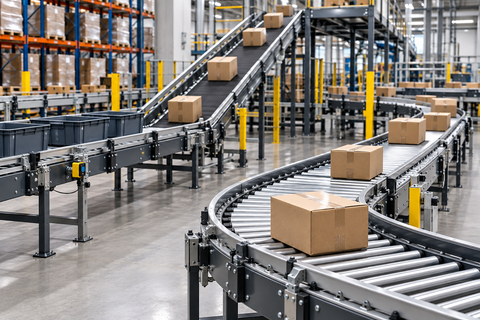
Roller Conveyors
Roller conveyors use rotating rollers to move products.
Common Applications
- Carton handling
- Pallet transportation
- Shipping operations
Chain Conveyors
Chain conveyors use chain-driven mechanisms for heavier loads.
Common Applications
- Industrial manufacturing
- Heavy equipment movement
- Automotive production
Overhead Conveyors
Overhead systems suspend materials above the work area.
Common Applications
- Paint lines
- Assembly operations
- Industrial processing
Screw Conveyors
Screw conveyors transport bulk materials through rotating helical mechanisms.
Common Applications
- Agriculture
- Food processing
- Material transfer operations
Conveyor System Components
| Component | Function |
|---|---|
| Conveyor Frame | Supports the system |
| Belt or Rollers | Moves materials |
| Drive Motor | Provides movement |
| Gearbox | Transfers power |
| Bearings | Support rotating parts |
| Sensors | Monitor operations |
| Control Panel | Manages system settings |
| Safety Devices | Protect personnel and equipment |
Conveyor System Architecture
Understanding conveyor architecture helps identify optimization opportunities.
Material Input Area
Materials enter the conveyor system.
Transport Section
The conveyor moves materials between locations.
Sorting and Routing Area
Products may be directed to different destinations.
Control System
Sensors and automation systems manage operation.
Discharge Zone
Materials exit the conveyor system for the next process.
How Material Handling Conveyors Work
Step 1: Material Loading
Products are placed onto the conveyor.
Step 2: Transportation
The conveyor moves materials through the system.
Step 3: Monitoring
Sensors track product movement and system conditions.
Step 4: Sorting
Automated controls may direct products to designated locations.
Step 5: Discharge
Materials reach their destination.
Conveyor Workflow Overview
| Stage | Purpose |
|---|---|
| Loading | Introduce materials |
| Transportation | Move materials |
| Monitoring | Track movement |
| Sorting | Route products |
| Discharge | Deliver materials |
Conveyor Type Comparison
| Conveyor Type | Best For | Advantages |
|---|---|---|
| Belt Conveyor | General material movement | Versatile operation |
| Roller Conveyor | Cartons and pallets | Simple design |
| Chain Conveyor | Heavy loads | High durability |
| Overhead Conveyor | Suspended transport | Space efficiency |
| Screw Conveyor | Bulk materials | Controlled transfer |
Why Conveyor System Optimization Matters
Optimization improves productivity, reliability, and operational efficiency.
Increased Throughput
Efficient systems move more materials within the same timeframe.
Reduced Downtime
Optimized systems experience fewer interruptions.
Improved Resource Utilization
Equipment operates more effectively.
Better Workflow Coordination
Material movement aligns with production requirements.
Conveyor Capacity Planning
Proper capacity planning helps prevent congestion and bottlenecks.
| Planning Factor | Importance |
|---|---|
| Material Volume | Determines system size |
| Product Dimensions | Influences conveyor design |
| Peak Demand | Supports capacity requirements |
| Facility Layout | Impacts routing |
| Future Expansion | Allows scalability |
System Optimization Tips
Analyze Material Flow
Understanding movement patterns helps identify inefficiencies.
Reduce Bottlenecks
Areas with excessive accumulation can slow operations.
Balance Conveyor Speeds
Coordinating speeds across connected conveyors supports smoother flow.
Optimize Product Spacing
Proper spacing improves throughput and tracking accuracy.
Improve Routing Logic
Efficient routing reduces unnecessary movement.
Use Real-Time Monitoring
Continuous monitoring helps identify performance issues quickly.
Implement Predictive Maintenance
Monitoring equipment condition can help reduce unexpected downtime.
Automation and Smart Conveyor Technology
Sensor Integration
Sensors monitor product location and movement.
Automated Controls
Control systems adjust conveyor operation automatically.
Data Analytics
Performance data supports operational improvements.
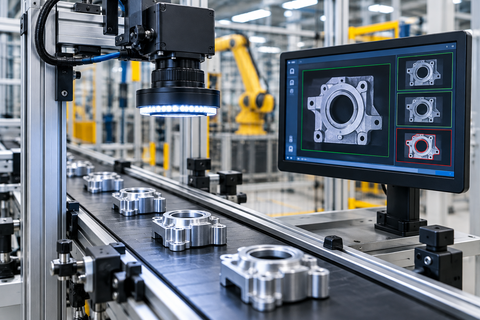
Machine Vision Systems
Vision technologies help identify products and track movement.
Smart Monitoring Platforms
Connected systems provide operational insights.
Real-World Applications
Warehouses
Conveyors support inventory movement and order fulfillment.
Distribution Centers
Products are sorted and routed efficiently.
Manufacturing Facilities
Materials move between production stages.
Packaging Operations
Conveyors support continuous packaging workflows.
Food Processing Facilities
Materials move through production environments efficiently.
Industry Applications
| Industry | Typical Usage |
|---|---|
| Warehousing | Product movement |
| Manufacturing | Production transport |
| Logistics | Package handling |
| Food Processing | Material transfer |
| Automotive | Component movement |
| Packaging | Workflow support |
Noise and Operating Environment
Environmental conditions can affect conveyor performance.
Temperature Conditions
Extreme temperatures may influence component performance.
Dust Exposure
Dust accumulation can affect sensors and moving parts.
Moisture Conditions
Certain environments require corrosion-resistant materials.
Noise Management
Proper maintenance can help reduce operational noise.
Facility Ventilation
Good airflow supports equipment performance.
Energy Efficiency Considerations
Energy-efficient conveyor operation can contribute to improved facility performance.
Variable Speed Drives
Adjusting conveyor speed based on demand can improve efficiency.
Efficient Motors
Modern motors often provide improved performance.
Optimized Routing
Reducing unnecessary movement conserves energy.
Smart Controls
Automated systems can improve operational efficiency.
Environmental Considerations
Many organizations focus on improving sustainability within material handling operations.
Energy Management
Optimized conveyor systems may reduce energy consumption.
Equipment Longevity
Proper maintenance extends equipment life.
Reduced Material Waste
Efficient systems help minimize handling errors.
Sustainable Operations
Modern facilities increasingly prioritize resource efficiency.
Industry Standards and Safety
Safety remains a critical consideration for conveyor systems.
Emergency Stop Systems
Emergency stops allow rapid shutdown when required.
Guarding Systems
Protective barriers help reduce contact with moving components.
Warning Devices
Visual and audible alerts improve operational awareness.
Safety Inspections
Regular inspections support safe operation.
Operator Training
Proper training contributes to workplace safety.
Conveyor Safety Components
| Safety Component | Purpose |
|---|---|
| Emergency Stop | Immediate shutdown |
| Safety Guards | Personnel protection |
| Warning Indicators | Hazard awareness |
| Sensors | Monitoring and protection |
| Interlocks | Controlled operation |
Common Challenges and Solutions
| Challenge | Solution |
|---|---|
| Bottlenecks | Optimize flow paths |
| Equipment Wear | Implement maintenance programs |
| Product Accumulation | Improve spacing and routing |
| Downtime | Use predictive monitoring |
| Sensor Issues | Conduct regular inspections |
| Capacity Constraints | Upgrade system planning |
Conveyor Maintenance Schedule
| Maintenance Task | Frequency | Purpose |
|---|---|---|
| Visual Inspection | Daily | Identify issues |
| Belt Inspection | Weekly | Detect wear |
| Roller Inspection | Weekly | Ensure smooth movement |
| Lubrication Check | Monthly | Maintain performance |
| Sensor Testing | Monthly | Verify operation |
| Motor Inspection | Quarterly | Evaluate equipment condition |
| System Audit | Annually | Assess overall performance |
Best Practices for Conveyor Optimization
- Monitor throughput regularly.
- Maintain proper product spacing.
- Inspect components routinely.
- Keep sensors clean and calibrated.
- Use data-driven performance analysis.
- Schedule preventive maintenance activities.
- Evaluate capacity requirements periodically.
Expert Insights
Material handling specialists often emphasize that optimization is not limited to increasing conveyor speed. The most effective systems balance throughput, reliability, safety, maintenance requirements, and energy efficiency.
Facilities that regularly review material flow patterns and equipment performance often identify opportunities for significant operational improvements.
Key Facts About Material Handling Conveyors
- Conveyors are among the most widely used material handling systems.
- Automation technology continues to improve conveyor performance.
- Predictive maintenance is becoming increasingly common.
- Smart sensors provide real-time operational visibility.
- Conveyor optimization supports productivity improvements.
- Modern systems increasingly integrate with digital manufacturing environments.
Future Trends and Industry Insights
Advanced Automation
Conveyor systems are becoming more intelligent and autonomous.
Artificial Intelligence Integration
AI-driven analytics may improve system optimization.
Smart Sensors
Enhanced monitoring capabilities continue to evolve.
Digital Twin Technology
Virtual system models support performance analysis.
Sustainable Equipment Design
Manufacturers continue improving efficiency and durability.
Connected Industrial Systems
Future conveyor systems will increasingly integrate with broader industrial networks.
Frequently Asked Questions
What is a material handling conveyor?
A mechanical system used to transport materials and products within a facility.
Why is conveyor optimization important?
It improves productivity, reliability, and workflow efficiency.
What industries use conveyors?
Manufacturing, logistics, warehousing, packaging, automotive, and food processing industries.
What causes conveyor bottlenecks?
Poor routing, excessive accumulation, and capacity limitations.
How can downtime be reduced?
Preventive maintenance and real-time monitoring help reduce downtime.
What are smart conveyor systems?
Systems that use sensors, automation, and data analytics for improved operation.
How often should conveyors be inspected?
Inspection frequency depends on operating conditions and maintenance requirements.
What role do sensors play?
Sensors monitor product movement and equipment status.
How do conveyors improve productivity?
They streamline material movement and reduce manual handling.
What future technologies are influencing conveyors?
Artificial intelligence, digital twins, advanced automation, and smart monitoring systems.
Conclusion
Material handling conveyors play a critical role in modern industrial operations by supporting efficient movement of products and materials. Through proper planning, maintenance, monitoring, and optimization, organizations can improve throughput, reduce downtime, and enhance operational performance.
As automation, data analytics, and smart technologies continue to evolve, conveyor systems are becoming increasingly intelligent, efficient, and adaptable. Facilities that focus on system optimization today are better positioned to support future operational demands and long-term productivity goals.