Metal Polishing Machines Overview: Explore Equipment, Polishing Methods, Materials, and Planning Factors
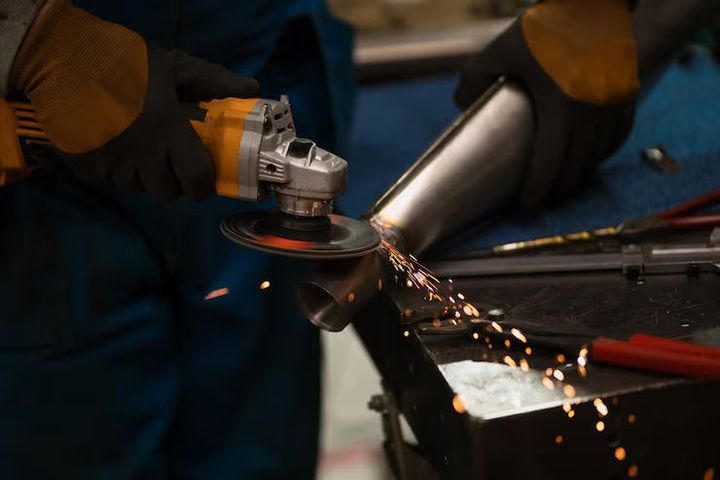
Metal polishing machines are mechanical systems used to improve the surface condition, smoothness, and appearance of metal components. They work by applying controlled contact between a metal surface and an abrasive, polishing wheel, belt, brush, pad, or compound. The process can remove fine scratches, machining marks, oxidation, and other surface irregularities.
Metal polishing developed from manual finishing techniques in which abrasive materials were applied by hand. As metalworking became more mechanized, powered equipment made it possible to control movement, speed, pressure, and polishing media more consistently. Today, equipment ranges from handheld machines to automated industrial systems.
The term metal polishing machines covers several equipment designs. Rotary polishers, belt polishers, buffing machines, vibratory systems, and robotic polishing cells can all be used for different metal-finishing requirements. The appropriate equipment depends on the material, component shape, surface condition, production method, and intended surface result.
How Metal Polishing Works
The basic polishing process involves controlled interaction between an abrasive or polishing medium and the metal surface. The medium removes a small amount of material or changes the surface texture through mechanical action.
Coarser abrasives are generally used when greater surface irregularities need to be reduced, while finer abrasives are used during later finishing stages. Polishing compounds can also be applied with suitable wheels or pads to produce particular surface characteristics.
Common Equipment Types
Different metal polishing machines are designed for different applications:
- Rotary polishing machines: Use rotating wheels, discs, or pads and are common for flat and shaped components.
- Belt polishing machines: Use continuous abrasive belts for surface preparation, edge treatment, and finishing.
- Buffing machines: Use soft or semi-soft wheels with polishing compounds for fine surface finishing.
- Vibratory polishing machines: Move components and polishing media through controlled vibration.
- Automatic polishing machines: Use programmed movement and machine controls for repeatable operations.
- Robotic polishing systems: Combine robotic movement with polishing tools for complex or repetitive components.
Importance
Metal surface finishing affects more than visual appearance. Surface texture can influence friction, cleanliness, corrosion behavior, coating preparation, dimensional requirements, and the way components interact with other parts.
Metal polishing machines are therefore used in many industries. Applications can include automotive components, stainless-steel equipment, architectural hardware, cookware, tools, medical equipment, aerospace components, electrical parts, and decorative metal products.
Common Surface Problems
Metal components may develop surface irregularities during casting, forging, machining, cutting, welding, forming, or handling. Examples include scratches, burrs, discoloration, oxidation, weld marks, tool marks, and uneven textures.
Polishing can address some of these conditions by gradually modifying the surface. However, polishing is not suitable for correcting every type of dimensional or structural defect. The process primarily concerns surface condition rather than major changes to component geometry.
Effects on Manufacturing
A controlled polishing process can make surface treatment more consistent across multiple components. In automated environments, programmed movement can also reduce variation caused by differences in manual handling.
The process may also be integrated with other finishing operations. A component might undergo grinding or abrasive preparation before fine polishing, followed by cleaning, inspection, coating, plating, or another surface treatment depending on its intended use.
Recent Updates
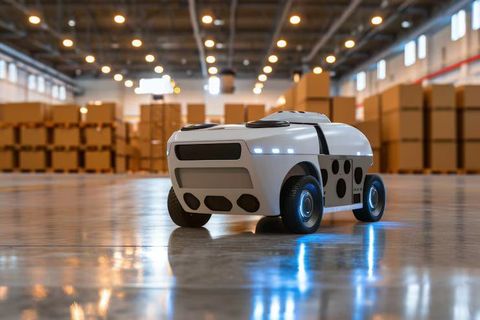
From 2024 through 2026, metal polishing technology has continued moving toward automation, process monitoring, robotics, and integration with broader digital manufacturing systems. These developments are particularly relevant where manufacturers process repeated batches of components or parts with complex geometries.
Automated polishing machines can use programmable motion systems to control the movement of polishing heads and workpieces. Robotic systems can follow defined paths around curved or irregular components, reducing the need for continuous manual positioning.
Sensor-Based Monitoring
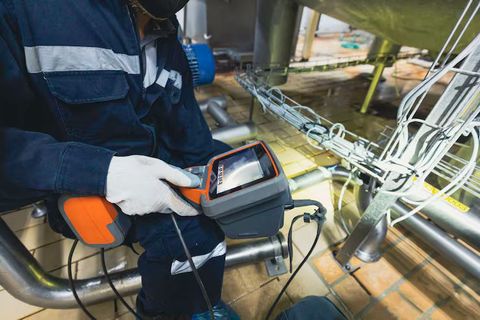
Sensors can provide information about factors such as machine load, vibration, rotational speed, position, and other operating conditions. Depending on the equipment, this information can support process monitoring and help identify unusual operating behavior.
Digital controls can also store or reproduce process parameters. This can be useful when the same type of component needs to pass through repeated polishing cycles.
Robotics and Automation
Robotic polishing is increasingly associated with complex components and repetitive finishing tasks. A robotic arm can move a polishing tool along programmed paths while controllers regulate movement and operating parameters.
The suitability of automation depends on factors such as component volume, geometry, surface requirements, process variation, and equipment configuration. Not every polishing operation requires robotic equipment.
Abrasive and Finishing Developments
Abrasive technology continues to evolve through changes in abrasive grain types, bonding materials, backing systems, polishing compounds, and tool designs. Different abrasives can provide different rates of material removal and surface characteristics.
Machine selection and abrasive selection are therefore closely connected. Using an abrasive that does not match the metal or process stage can result in uneven finishing, excessive material removal, or unnecessary surface damage.
Laws or Policies
In India, metal polishing operations can fall under workplace health and safety requirements when conducted in factories or industrial workplaces. The Factories Act, 1948 contains provisions concerning machinery safety, including requirements related to revolving machinery and abrasive wheels.
For grinding-related equipment, the Act addresses safe operating speeds and requirements concerning information displayed near machinery. These provisions are relevant where polishing equipment incorporates abrasive wheels or similar rotating components.
India is also implementing the Occupational Safety, Health and Working Conditions Code framework. Applicable requirements depend on the workplace, industrial activity, equipment, and relevant rules. Employers and operators should refer to current central and state requirements rather than relying only on general guidance.
The Bureau of Indian Standards also publishes Indian Standards relevant to machinery, abrasive products, electrical equipment, and safety practices. Certain products may be subject to mandatory requirements where a government Quality Control Order or other regulation applies.
Workplace Safety Considerations
Metal polishing can produce airborne particles, noise, heat, sparks, and rotating-tool hazards depending on the equipment and material. Suitable machine guarding, ventilation, housekeeping, personal protective equipment, and operating procedures are therefore important.
The exact controls depend on the machine and workplace. Equipment documentation and applicable occupational safety requirements should be reviewed before operation.
Tools and Resources
Several resources can help when evaluating metal polishing equipment and planning a finishing process.
Abrasive Selection Charts
Abrasive reference charts provide information about grain types, grades, backing materials, and applications. They can help explain the difference between coarse preparation and fine finishing stages.
Machine Manuals
Machine manuals normally contain information about operating limits, controls, component identification, compatible accessories, maintenance requirements, and safety precautions. The manual for the specific equipment should be used when determining operating parameters.
Surface Roughness Instruments
Surface roughness measurement equipment can quantify characteristics such as average roughness. Instruments such as portable surface roughness testers can provide numerical measurements rather than relying only on visual inspection.
Planning Worksheet
A basic planning worksheet can organize the main factors involved in a metal polishing process:
| Planning factor | Information to consider |
|---|---|
| Metal type | Steel, aluminum, brass, copper, or another alloy |
| Component shape | Flat, cylindrical, curved, or complex |
| Initial condition | Machining marks, scratches, oxidation, weld marks |
| Machine type | Rotary, belt, vibratory, automatic, or robotic |
| Abrasive | Wheel, belt, disc, brush, pad, or compound |
| Process stage | Rough preparation, intermediate finishing, or fine polishing |
| Speed | Equipment-rated operating range |
| Pressure | Controlled contact appropriate to the material |
| Inspection | Visual examination or surface measurement |
| Workplace controls | Guarding, ventilation, dust management, and PPE |
Using a planning table can make it easier to identify which variables need to be controlled before processing begins.
FAQs
What are metal polishing machines used for?
Metal polishing machines are used to modify and improve the surface condition of metal components. Common purposes include reducing fine scratches, machining marks, oxidation, discoloration, and uneven surface textures.
How do metal polishing machines work?
They use controlled mechanical contact between a metal component and an abrasive or polishing medium. The medium gradually removes or changes a small amount of surface material to produce the required surface condition.
Which metals can be polished using polishing machines?
Depending on the equipment and abrasive, machines can process stainless steel, carbon steel, aluminum, brass, copper, and various other metal alloys. Abrasive selection and process settings need to match the particular material.
What polishing methods are used for metal?
Common methods include abrasive belt polishing, rotary polishing, buffing, vibratory polishing, and automated or robotic polishing. The method selected depends on component geometry, initial surface condition, production requirements, and desired surface characteristics.
What factors should be considered when planning metal polishing?
Important factors include metal type, component shape, initial surface condition, abrasive selection, machine type, operating speed, contact pressure, processing sequence, inspection method, dust control, and workplace safety requirements.
Conclusion
Metal polishing machines use controlled abrasive or mechanical action to modify the surface condition of metal components. Equipment and polishing methods vary according to the metal, component geometry, initial surface condition, and intended result. Recent developments have emphasized automation, robotics, sensors, and digital process monitoring. Proper planning also involves machine specifications, abrasive selection, inspection methods, and applicable workplace safety requirements.