Metal Pouring Machines Overview: Complete Basics, Functions, and Industrial Uses Guide
Metal pouring machines are industrial systems designed to transfer molten metal from a furnace into molds with precision and consistency. These machines are commonly used in foundries and manufacturing units where metal casting is a core process.
The concept of metal casting dates back thousands of years, but modern industries require higher accuracy, safety, and efficiency. Manual pouring methods often lead to inconsistencies, safety risks, and material waste.
To address these challenges, automated and semi-automated pouring systems were developed. These machines are integrated into production lines where molds are prepared, filled, cooled, and finished in a continuous workflow.
Types of Metal Pouring Machines
Common types of metal pouring machines include:
- Automatic pouring machines for high-volume production
- Ladle pouring systems for controlled manual or semi-automatic use
- Robotic pouring systems for precision and repeatability
- Tilt-type pouring machines that control flow by adjusting angles
These machines are widely used in industries such as automotive manufacturing, aerospace, construction equipment, and heavy machinery production.
Importance – Why Metal Pouring Machines Matter Today
Metal pouring machines play a critical role in modern manufacturing due to increasing demands for precision and efficiency. They help ensure consistent product quality, reduce waste, and improve workplace safety.
One key benefit is accurate metal distribution, which ensures molds are filled evenly. This reduces defects such as air pockets, incomplete filling, and structural weaknesses in cast components.
Another important advantage is improved safety. Automated systems reduce direct human involvement, minimizing exposure to extreme temperatures and hazardous conditions.
Key Benefits of Metal Pouring Machines
- Reduced cycle times
- Increased repeatability
- Lower material wastage
- Support for continuous manufacturing processes
Comparison: Manual vs Machine Pouring
| Feature | Manual Pouring | Machine Pouring |
|---|---|---|
| Accuracy | Variable | High and consistent |
| Safety | Lower | Higher |
| Productivity | Limited | Scalable |
| Material Waste | Higher | Reduced |
| Automation | Minimal | Advanced |
Industries adopting automation technologies increasingly rely on these systems to meet global production standards and environmental goals.
Recent Updates – Trends and Developments in 2025
Metal pouring technology has advanced significantly in recent years, driven by automation, data integration, and sustainability goals.
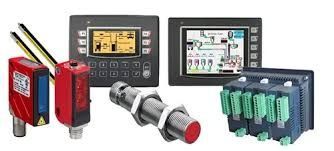
One major trend is the adoption of Industry 4.0 technologies. Sensors and real-time monitoring systems track temperature, flow rate, and pouring accuracy, enabling data-driven decision-making.
Robotic pouring systems are also gaining popularity. These systems use programmable robotic arms to handle molten metal with high precision, reducing human exposure to hazardous environments.
Emerging Innovations
- Integration of real-time monitoring and smart sensors
- Increased use of robotic automation
- AI-based defect prediction and process optimization
Energy efficiency is another key focus. New machines are designed to:
- Optimize heat retention
- Reduce energy consumption
- Lower emissions during casting processes
These developments align with global sustainability and efficiency goals in manufacturing.
Laws or Policies – Regulations Affecting Metal Pouring Machines
Metal pouring machines must comply with industrial safety, environmental, and quality regulations. These rules focus on protecting workers and reducing environmental impact.
In India, regulatory frameworks include factory safety standards, pollution control norms, and energy efficiency guidelines. These ensure safe and responsible operations in industrial settings.
Key Regulatory Requirements
- Safe handling and storage of molten materials
- Proper ventilation and emission control systems
- Regular equipment maintenance and inspection
- Worker training and safety compliance
Global Standards
- ISO 9001 for quality management
- ISO 14001 for environmental management
- ISO 45001 for occupational health and safety
These standards help maintain consistency, safety, and environmental responsibility in metal casting operations.
Tools and Resources – Helpful Technologies and Platforms
Various tools and digital platforms support the efficient operation of metal pouring machines. These tools are essential for engineers, plant managers, and quality control teams.
Key Tools Used in Metal Pouring
Simulation Software
- Models casting processes before production
- Identifies defects and optimizes design
Temperature Monitoring Systems
- Tracks molten metal temperature in real time
- Ensures proper pouring conditions
Industrial IoT Platforms
- Connect machines to centralized dashboards
- Provide analytics and performance insights
Process Control Systems
- Automate pouring speed and volume
- Maintain consistency across cycles
Maintenance Management Tools
- Schedule preventive maintenance
- Reduce downtime and improve equipment lifespan
These tools enhance efficiency and enable data-driven decision-making in modern foundries.
FAQs – Common Questions About Metal Pouring Machines
What is the main function of a metal pouring machine?
The primary function is to transfer molten metal into molds in a controlled and precise manner. This ensures consistent quality in finished cast products.
Which industries use metal pouring machines?
They are used in automotive, aerospace, construction, heavy equipment, and metal fabrication industries.
Are metal pouring machines fully automated?
Some systems are fully automated, while others are semi-automatic. The level of automation depends on production needs and system design.
How do these machines improve safety?
They reduce direct human contact with molten metal, lowering risks such as burns, spills, and exposure to extreme heat.
What factors affect pouring quality?
Key factors include temperature control, pouring speed, mold design, and machine calibration.
Conclusion – A Key Component of Modern Manufacturing
Metal pouring machines are essential in modern industrial processes. They enable efficient, accurate, and safe metal casting across multiple industries.
With advancements in automation, robotics, and data integration, these machines continue to evolve. They support higher productivity, improved quality, and safer working conditions.
As manufacturing shifts toward smarter and more sustainable practices, metal pouring machines will remain a key part of future industrial production.