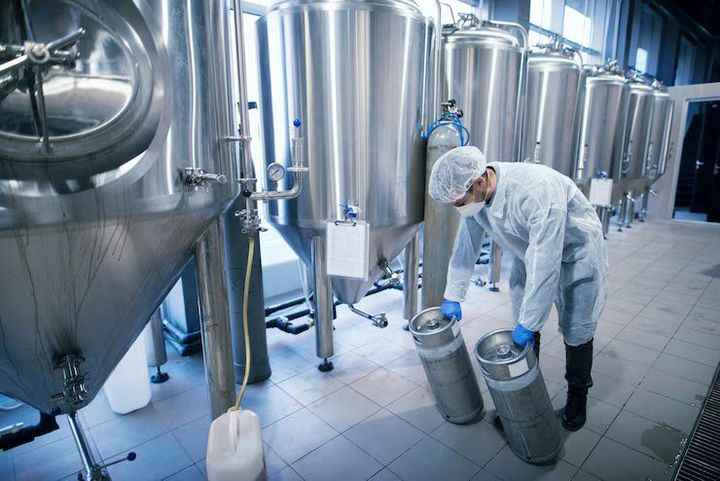
Milk Pasteurization Machines Guide: Basics, Process, and Modern Dairy Technology Explained
Milk pasteurization machines are specialized dairy processing equipment designed to heat milk to a controlled temperature for a specific period of time. This process reduces harmful microorganisms while maintaining nutritional value and taste. The method was originally developed to make milk safer for consumption and to extend its storage life.
Introduction
Pasteurization technology traces back to the work of Louis Pasteur, who demonstrated that controlled heating could prevent spoilage caused by bacteria. Over time, this concept evolved into modern food safety systems used in dairy processing plants worldwide.
Today, milk pasteurization machines are widely used in:
- Dairy farms
- Processing facilities
- Food manufacturing plants
These machines rely on:
- Automated temperature controls
- Stainless steel chambers
- Heat exchangers
to maintain consistent and safe processing conditions.
Common Types of Pasteurization Equipment
- High Temperature Short Time (HTST) systems
- Ultra High Temperature (UHT) machines
- Batch pasteurizers
- Continuous flow pasteurization units
Each system is designed to heat milk efficiently and cool it rapidly, ensuring safety while preserving quality.
Why Milk Pasteurization Machines Matter
Milk is highly nutritious but also prone to bacterial contamination. Without pasteurization, harmful microorganisms such as:
- Salmonella
- Listeria
- E. coli
can survive and cause foodborne illness.
Key Benefits
1. Improved Food Safety
Controlled heating destroys harmful pathogens while preserving nutrients like calcium, protein, and vitamins.
2. Extended Shelf Life
Pasteurized milk lasts longer under refrigeration, reducing spoilage and waste.
3. Consistent Processing
Automated systems ensure uniform treatment across large volumes of milk.
4. Support for Global Dairy Supply
Reliable pasteurization helps maintain quality as global dairy demand increases.
Key Users
- Dairy farmers and processing plants
- Food safety regulators
- Milk packaging and distribution networks
- Dairy product manufacturers (cheese, yogurt, etc.)
Types of Milk Pasteurization Systems
| Pasteurization Method | Temperature Range | Duration | Common Use |
|---|---|---|---|
| Batch Pasteurization | ~63°C | 30 minutes | Small dairy plants |
| HTST Pasteurization | ~72°C | 15 seconds | Large processing facilities |
| UHT Processing | ~135–150°C | 2–5 seconds | Long shelf-life milk |
| Continuous Systems | Variable | Continuous | High-volume production |
HTST systems are the most commonly used due to their balance of efficiency and product quality.
Recent Developments (2024–2025)
1. Automation and Smart Sensors
Modern systems include:
- Temperature sensors
- Automated valves
- Real-time process analytics
These improve accuracy and operational control.
2. Energy-Efficient Heat Exchangers
New systems reuse thermal energy during heating and cooling, reducing energy consumption.
3. Alternative Pasteurization Technologies
Emerging research includes:
- High-pressure processing (HPP)
- Pulsed electric field processing
- Ultraviolet (UV) milk treatment
These aim to improve safety with less heat exposure.
4. Rising Demand for UHT Milk
UHT milk is gaining popularity because it:
- Has a longer shelf life
- Requires less refrigeration before opening
5. Digital Traceability Systems
Modern plants now use:
- Data logging systems
- Process tracking software
to ensure compliance with food safety regulations.
Regulatory Standards and Policies
Milk pasteurization is strictly regulated due to its impact on public health.
Key Regulatory Bodies
- U.S. Food and Drug Administration (FDA)
- World Health Organization (WHO)
- Food and Agriculture Organization (FAO)
- Codex Alimentarius Commission
Common Requirements
- Precise temperature control
- Accurate processing time
- Continuous monitoring and logging
- Food-grade stainless steel equipment
- Regular cleaning and sanitation
These standards ensure milk is safe before reaching consumers.
Temperature Monitoring in Pasteurization
| Stage | Temperature | Purpose |
|---|---|---|
| Preheating | 55–60°C | Prepare milk |
| Pasteurization | ~72°C (HTST) | Destroy bacteria |
| Rapid Cooling | ~4°C | Prevent bacterial growth |
Accurate monitoring ensures safety without compromising taste or nutrition.
Tools and Learning Resources
Educational Resources
- FAO dairy processing guides
- International Dairy Federation publications
- WHO food safety resources
- FDA dairy safety information
Technical Tools
- Process monitoring software
- Temperature data loggers
- Food safety compliance systems
Learning Materials
- Dairy technology textbooks
- Food microbiology courses
- Industry research reports
Frequently Asked Questions (FAQs)
What is the purpose of milk pasteurization?
It reduces harmful bacteria by heating milk to a controlled temperature and then cooling it quickly.
Does pasteurization reduce nutrients?
Some heat-sensitive vitamins may decrease slightly, but most nutrients remain intact.
HTST vs UHT: What’s the difference?
- HTST: Lower temperature, requires refrigeration
- UHT: Higher temperature, longer shelf life without refrigeration
Why is rapid cooling important?
It prevents bacteria from regrowing and preserves milk quality.
Are pasteurization machines used only for milk?
No, similar systems are used for:
- Fruit juices
- Liquid eggs
- Other dairy products
Conclusion
Milk pasteurization machines are essential for modern food safety. By applying controlled heat treatment, they eliminate harmful microorganisms while preserving nutritional quality.
Recent advancements in:
- Automation
- Energy efficiency
- Digital monitoring
are improving system performance and reliability.
At the same time, global regulations ensure that dairy products meet strict safety standards. As technology evolves, pasteurization systems will continue to become more efficient, data-driven, and aligned with modern food safety requirements.