Motorcycle riding is widely practiced for daily transportation, recreation, and long-distance travel. Compared with enclosed vehicles, motorcycles expose riders directly to weather conditions, road surfaces, and surrounding traffic. Because of this exposure, motorcycle gear and safety equipment play an important role in reducing the risk of injury during accidents or unexpected road situations.
Motorcycle gear includes protective clothing and accessories designed specifically for riding. Common examples include helmets, jackets, gloves, boots, and other road protection equipment. These items are developed using materials and design features that help reduce impact forces, protect skin from abrasion, and improve rider visibility.
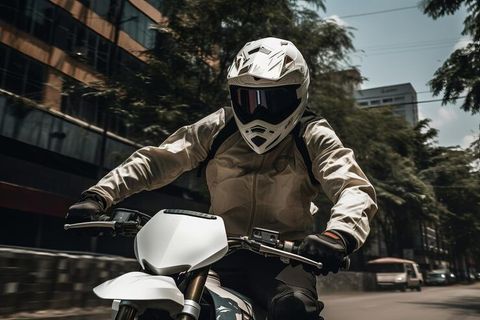
Over time, motorcycle safety gear has evolved with advances in material science and road safety research. Modern equipment may include reinforced fabrics, ventilation systems, and integrated padding that absorbs impact energy. Many riders also choose gear based on climate conditions, riding distance, and traffic environments.
Understanding the purpose of each piece of motorcycle gear helps riders make informed decisions about personal safety. Even short trips can involve unpredictable road conditions, which is why protective equipment remains a central topic in road safety discussions.
Importance
Motorcycle riding carries a higher injury risk compared with many other forms of road transportation. Without a protective vehicle frame, riders depend largely on their helmets, jackets, gloves, and road protection equipment to reduce injury severity in accidents.
Motorcycle gear supports safety in several ways. Helmets protect the head during impact. Jackets and pants reduce skin abrasion when sliding on pavement. Gloves help maintain grip and shield hands during falls. Boots stabilize ankles and protect feet from contact with the road or motorcycle components.
Road environments can change quickly due to weather, traffic density, or unexpected obstacles. In these situations, safety gear provides an additional layer of protection beyond riding skills alone.
Protective motorcycle gear also improves rider awareness and visibility. Reflective materials and bright-colored panels help other road users notice riders earlier, especially at night or during low-visibility weather conditions.
Another important factor is comfort and fatigue reduction. Long rides may expose riders to wind pressure, heat, and vibration. Properly designed jackets, gloves, and helmets help reduce these physical stresses, allowing riders to maintain focus on the road.
Key Functions of Motorcycle Safety Gear
Motorcycle gear typically supports several protective functions:
- Impact protection: Helmets and armored jackets include padding designed to absorb shock during collisions.
- Abrasion resistance: Durable materials such as reinforced textiles or leather reduce skin damage if a rider slides on asphalt.
- Weather protection: Jackets and gloves may provide insulation from wind, rain, or temperature changes.
- Visibility support: Reflective strips or bright colors help increase rider visibility in traffic.
Together, these features contribute to safer riding conditions across different environments.
Recent Updates
Between 2024 and 2026, several developments have influenced motorcycle gear design and safety awareness.
One notable trend involves advanced materials used in protective clothing. Manufacturers increasingly use high-strength synthetic fibers and layered fabrics that combine flexibility with abrasion resistance. These materials aim to improve protection without significantly increasing weight.
Another development involves smart helmet technology. Some modern helmets now integrate communication systems, navigation audio, and heads-up displays that present limited riding information inside the visor area. These features are designed to reduce distraction while maintaining rider awareness.
Improved ventilation systems have also become more common in motorcycle jackets and helmets. Adjustable air channels allow riders to control airflow, which helps maintain comfort in warm climates or during long rides.
Environmental considerations have also influenced gear production. Some equipment now incorporates recycled textiles or alternative materials that aim to reduce environmental impact during manufacturing.
In addition, digital platforms and road safety organizations continue to share educational resources about proper motorcycle gear usage. These resources highlight the relationship between protective equipment and injury reduction during accidents.
Laws or Policies
Motorcycle gear requirements vary between countries and regions. Many governments establish regulations that require riders and passengers to wear helmets while traveling on public roads.
Helmet regulations often define safety standards that helmets must meet before they can be used legally. These standards typically involve laboratory testing for impact resistance, retention strength, and visor durability. Different regions use different certification systems.
In several countries, additional gear such as reflective clothing or protective jackets may be recommended through road safety campaigns, even if they are not mandatory under traffic law.
In India, helmet use is regulated under road safety legislation such as the Motor Vehicles Act 1988. The law requires riders and passengers to wear helmets that meet recognized safety standards when traveling on public roads. Enforcement may vary across states, but helmet use remains a widely recognized safety requirement.
Governments and transportation agencies also conduct public awareness initiatives related to motorcycle safety. These initiatives often highlight the importance of protective gear, safe riding practices, and responsible road behavior.
Typical Motorcycle Safety Standards
The following table outlines several widely recognized helmet certification systems used in different regions.
| Certification Standard | Region Commonly Used | Key Focus Areas |
|---|---|---|
| DOT (Department of Transportation) | United States | Impact resistance, retention system strength |
| ECE (Economic Commission for Europe) | Europe and many international markets | Multi-impact testing, visor safety |
| ISI (Indian Standards Institute) | India | Impact protection and structural integrity |
| SNELL Foundation | International | High-performance helmet testing |
These standards help ensure that helmets meet certain minimum safety requirements before reaching consumers.
Tools and Resources
Several tools and resources help riders understand motorcycle gear and road protection practices.
Government transportation websites often publish safety guides explaining how helmets, jackets, gloves, and other gear reduce injury risk. These guides may include diagrams showing impact zones and recommended protective materials.
Road safety organizations also provide online educational materials covering topics such as helmet fitting, visibility improvements, and motorcycle riding awareness. These resources help riders understand how different types of gear function during accidents.
Mobile applications designed for motorcyclists sometimes include features such as route planning, weather monitoring, and safety alerts. These tools help riders prepare for environmental conditions that may influence gear selection.
Motorcycle training programs also introduce riders to protective equipment as part of safety education. Training sessions typically explain the purpose of helmets, gloves, jackets, and protective footwear while demonstrating correct usage.
Some educational platforms provide helmet fit calculators and gear sizing charts, which help riders understand how protective equipment should fit the body. Proper fit is essential because loose or incorrectly sized gear may reduce protective performance.
Together, these tools and resources support informed decisions about motorcycle gear and road safety practices.
FAQs
What is motorcycle gear and why is it important for safety?
Motorcycle gear refers to protective clothing designed for riders. This includes helmets, jackets, gloves, boots, and protective pants. These items help reduce injury risk during accidents by absorbing impact, resisting abrasion, and protecting exposed areas of the body.
How do helmets improve motorcycle road protection?
Helmets protect the head and brain during collisions. They are designed with energy-absorbing layers and strong outer shells that reduce the force transmitted to the skull during impact. Helmets also shield the face from wind, debris, and weather conditions.
What role do motorcycle jackets and gloves play in safety?
Motorcycle jackets and gloves protect the upper body and hands from abrasion and impact. Jackets often include reinforced padding in areas such as shoulders, elbows, and back. Gloves improve grip on handlebars while protecting hands from injuries during falls.
Is motorcycle safety gear necessary for short rides?
Even short rides can involve unexpected traffic situations, road hazards, or sudden braking. Motorcycle gear provides consistent protection regardless of trip distance. Helmets, jackets, and gloves help reduce injury risk in both short and long rides.
How should riders choose motorcycle gear for road protection?
Riders typically consider factors such as fit, material durability, ventilation, and visibility features. Properly fitted helmets, jackets, and gloves allow comfortable movement while maintaining protective coverage across key areas of the body.
Conclusion
Motorcycle gear plays an essential role in improving rider safety on public roads. Helmets, jackets, gloves, and other road protection equipment are designed to reduce injury severity during accidents and provide comfort in changing weather conditions. Advances in materials and technology continue to shape the design of modern safety gear. Regulations and safety education programs also encourage responsible use of protective equipment. Understanding how motorcycle gear functions helps riders recognize its importance in everyday riding environments.