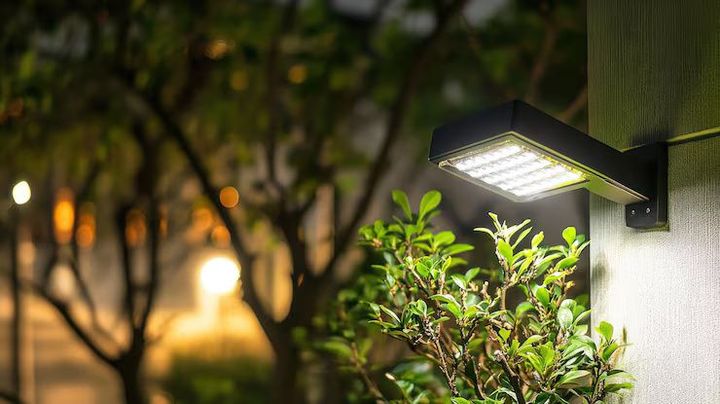
Outdoor Spotlights Guide for Understanding Lighting Types and Practical Applications
Outdoor lighting does more than illuminate a property after sunset.
It improves visibility, enhances security, highlights architectural features, and creates welcoming outdoor spaces for homes and commercial properties alike. Among the many lighting options available, outdoor spotlights are widely recognized for their focused beam, versatility, and ability to direct light precisely where it is needed. Understanding how these lighting systems work helps property owners make informed decisions based on functionality rather than appearance alone.
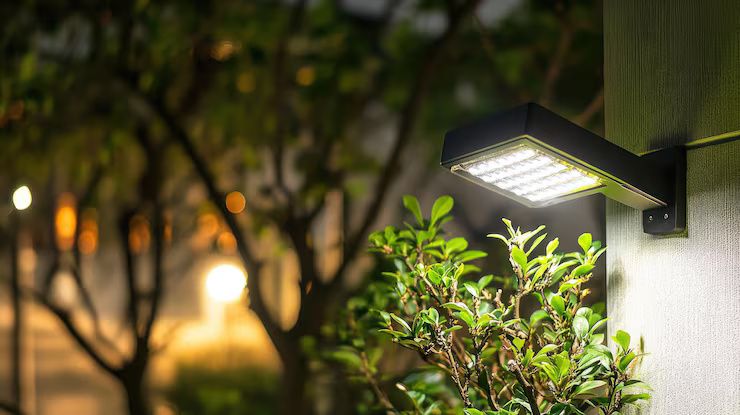
As outdoor spaces become extensions of everyday living, lighting design has grown increasingly important. Gardens, walkways, patios, driveways, landscapes, and building exteriors all benefit from carefully positioned spotlights that balance safety with aesthetics. A comprehensive outdoor spotlights guide helps explain the available lighting options, practical uses, and factors that influence long-term performance.
This article explores the basics of outdoor spotlights, explains common lighting types, discusses practical applications, highlights key features, and provides decision-making insights for selecting suitable lighting solutions.
What Are Outdoor Spotlights?
Outdoor spotlights are lighting fixtures designed to project a concentrated beam of light onto a specific area or object. Unlike floodlights, which spread light across a wide space, spotlights focus illumination in a narrower direction to emphasize selected features or improve visibility in targeted locations.
These fixtures are commonly installed around residential properties, commercial buildings, parks, gardens, pathways, monuments, and recreational areas. Depending on their design, they may be mounted on walls, poles, ceilings, ground stakes, or landscape fixtures.
For example, a spotlight positioned beneath a mature tree can emphasize its structure during the evening, while another installed near an entrance can improve nighttime visibility.
Common Types of Outdoor Spotlights
LED Spotlights
LED spotlights have become the most widely used option because they combine high energy efficiency with long operational life. They produce bright illumination while consuming considerably less electricity than many traditional lighting technologies.
LED fixtures also require less maintenance, making them suitable for both residential and commercial installations.
Solar-Powered Spotlights
Solar spotlights collect energy from sunlight during the day and automatically illuminate outdoor areas after dark. They are often chosen for locations where electrical wiring is less practical or where energy efficiency is a priority.
Performance typically depends on daily sunlight exposure and battery capacity.
Motion Sensor Spotlights
Motion sensor models activate automatically when movement is detected within a specified range. These fixtures are frequently used to improve security around entrances, garages, driveways, and pathways while conserving electricity during inactive periods.
Smart Outdoor Spotlights
Smart lighting systems allow users to control brightness, schedules, and lighting modes through mobile applications or home automation systems. Some models also support voice control and programmable lighting scenes for added convenience.
Key Features to Consider
Several features influence the effectiveness of outdoor spotlights.
Brightness
Brightness is commonly measured in lumens rather than watts. Higher lumen ratings generally produce greater light output, although the appropriate level depends on the intended application.
Beam Angle
A narrow beam concentrates light on specific objects, making it suitable for highlighting architectural details or landscape features. Wider beam angles provide broader illumination while maintaining directional lighting.
Weather Resistance
Because outdoor fixtures remain exposed to changing weather conditions, water and dust resistance are important considerations. Durable construction materials help extend operational life in varying climates.
Color Temperature
Warm white lighting creates a comfortable, welcoming atmosphere for patios and gardens, while cooler white illumination often improves visibility around security-sensitive areas such as entrances and parking spaces.
Practical Applications of Outdoor Spotlights
Outdoor spotlights serve a wide variety of residential and commercial purposes.
Landscape lighting remains one of the most popular applications. Spotlights can emphasize trees, sculptures, fountains, and garden features while creating depth and visual interest after sunset.
Architectural lighting highlights building facades, columns, entryways, and decorative stonework, enhancing the property's appearance during evening hours.
Security lighting improves visibility around doors, pathways, driveways, garages, and perimeter fencing, helping occupants navigate safely while discouraging unauthorized activity.
Outdoor entertainment areas also benefit from carefully positioned spotlights that provide functional illumination without overwhelming the surrounding environment.
Benefits of Outdoor Spotlights
Properly designed spotlight systems offer several practical advantages.
Focused lighting improves visibility exactly where it is needed while minimizing unnecessary light spread. This targeted approach often enhances energy efficiency compared with broader lighting solutions.
Modern LED technology contributes to lower electricity consumption and longer service life, reducing maintenance requirements over time.
Well-planned lighting also improves property appearance by drawing attention to landscaping, architectural details, and outdoor living spaces.
Additionally, improved nighttime visibility supports safer movement around walkways, entrances, and recreational areas.
Installation Considerations
Proper placement significantly influences lighting performance.
Fixtures should be positioned to illuminate intended areas without creating excessive glare for occupants or neighboring properties. Beam direction should complement the landscape while avoiding unnecessary light pollution.
Electrical installations generally require weather-resistant wiring, secure mounting, and compliance with applicable local electrical regulations. Solar-powered systems simplify installation by reducing wiring requirements, although placement should maximize daily sun exposure.
Regular maintenance, including cleaning lenses and checking fixture alignment, helps preserve lighting quality over time.
Decision Guide: Choosing the Right Outdoor Spotlights
Selecting the best outdoor spotlights depends on the property's layout, lighting objectives, energy preferences, and environmental conditions.
Homeowners seeking decorative landscape lighting often benefit from adjustable LED spotlights with warm color temperatures. Commercial properties that prioritize visibility and security may favor brighter fixtures with motion detection and wider coverage.
An outdoor spotlights comparison typically involves evaluating brightness, beam angle, installation requirements, energy efficiency, weather resistance, and long-term maintenance needs.
In many cases, LED systems tend to work well because they combine efficiency, durability, and consistent light output. Solar-powered fixtures may be appropriate for locations with strong sunlight and limited access to electrical infrastructure.
The real difference appears when lighting design balances functionality, energy efficiency, aesthetics, and long-term reliability rather than focusing on brightness alone.
Emerging Trends in Outdoor Lighting
Outdoor lighting technology continues advancing through improved efficiency and intelligent control.
Smart lighting systems now integrate with home automation platforms, allowing users to adjust schedules, brightness levels, and lighting zones remotely.
Adaptive lighting technologies can automatically respond to ambient light conditions, improving efficiency while maintaining appropriate illumination throughout the evening.
Manufacturers are also introducing more environmentally responsible materials and designs that reduce energy consumption and minimize light pollution.
These innovations continue expanding the practical applications of modern outdoor spotlight systems.
Frequently Asked Questions
1. What are outdoor spotlights used for?
Outdoor spotlights provide focused illumination for landscaping, building exteriors, pathways, security, architectural features, and outdoor living areas.
2. What is the difference between spotlights and floodlights?
Spotlights produce a narrow, concentrated beam for highlighting specific areas, while floodlights distribute light across a much wider area.
3. Why are LED outdoor spotlights popular?
LED spotlights offer excellent energy efficiency, long operational life, reduced maintenance, and bright, consistent illumination.
4. Are solar outdoor spotlights effective?
Solar spotlights can perform well when installed in locations that receive sufficient daily sunlight, making them suitable for many residential applications.
5. What factors should be considered before selecting outdoor spotlights?
Brightness, beam angle, weather resistance, energy efficiency, installation requirements, lighting purpose, and maintenance expectations are among the most important considerations.
Conclusion
Understanding outdoor spotlights involves more than selecting a lighting fixture. Effective outdoor lighting combines appropriate beam angles, reliable performance, durable construction, and thoughtful placement to improve safety, enhance property appearance, and support everyday functionality. A well-planned outdoor spotlights guide helps explain the strengths of different lighting technologies while encouraging informed decisions based on practical applications, energy efficiency, and long-term performance. As lighting innovation continues advancing, outdoor spotlights remain an essential solution for creating attractive, secure, and functional outdoor environments.