Packaging Robots Overview: Discover Uses, Features, and Key Insights
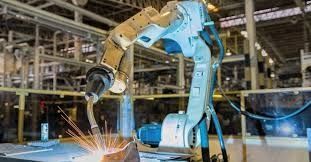
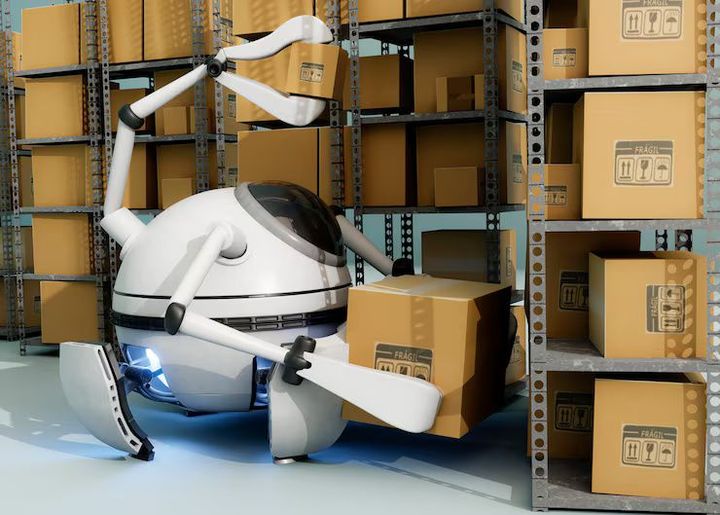
Packaging robots are automated machines designed to handle tasks such as sorting, picking, packing, palletizing, and labeling products. These robots are commonly used in manufacturing, logistics, and distribution environments to improve efficiency and consistency in packaging processes.
Packaging automation emerged as industries sought faster and more reliable ways to handle high production volumes. Manual packaging often led to human errors, fatigue, and inconsistent output. Packaging robots address these challenges by performing repetitive tasks with precision and speed.
Modern packaging robots are integrated with advanced technologies such as artificial intelligence, machine vision systems, and industrial automation software. These systems allow robots to recognize products, adjust movements, and function effectively in dynamic environments.
Common Types of Packaging Robots
- Pick-and-place robots for sorting and arranging items
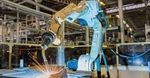
- Robotic arms for packing and sealing boxes
- Palletizing robots for stacking goods onto pallets
- Collaborative robots (cobots) designed to work alongside humans
- Delta robots used for high-speed operations
Packaging robots are widely used in industries such as food processing, pharmaceuticals, consumer goods, and e-commerce logistics.
Why Packaging Robots Matter in Modern Industry
Packaging robots have become essential due to the growing demand for speed, accuracy, and scalability. Industries require consistent product handling and high-volume production capabilities to meet global demands.
Key Drivers of Importance
- Rising global demand for packaged goods
- Expansion of e-commerce and rapid fulfillment systems
- Need for consistent quality control
- Increasing complexity of packaging formats
Key Benefits
- Reduced errors in labeling and packing
- Improved hygiene standards in sensitive industries
- Enhanced workplace safety
- Continuous production without interruptions
Industries That Benefit
- Food and beverage manufacturing
- Pharmaceutical production
- Retail and e-commerce fulfillment
- Electronics and consumer goods packaging
Packaging robots also support digital transformation strategies by enabling smarter and more connected production environments.
Recent Developments and Industry Trends
Packaging robotics continues to evolve rapidly in 2025 with advancements in artificial intelligence and smart manufacturing technologies. These innovations are shaping more efficient and adaptive production systems.
Key Trends
- AI-powered vision systems for product recognition
- Integration with Industrial Internet of Things (IIoT) platforms
- Growth of collaborative robots for flexible packaging lines
- Expansion of modular robotic systems
Smart packaging lines are becoming more common, where robots communicate with other machines to optimize workflows and reduce downtime. Predictive maintenance systems are also gaining traction, helping detect issues before disruptions occur.
Sustainability is another focus area, with robots increasingly handling eco-friendly materials and reducing packaging waste.
Technology Trends Table
| Trend Area | Description | Impact Level |
|---|---|---|
| AI Integration | Smarter decision-making and adaptability | High |
| Machine Vision Systems | Improved accuracy in product handling | High |
| Collaborative Robotics | Safe interaction with human workers | High |
| Energy Efficiency | Reduced power consumption in operations | Moderate |
These developments reflect the broader movement toward Industry 4.0, where automation and data exchange play a central role.
Regulatory Framework and Compliance Considerations
Packaging robots operate under industrial safety, environmental, and quality regulations. These regulations ensure safe operations and maintain product standards across industries.
Key Regulatory Areas
- Workplace safety standards for automated machinery
- Electrical and mechanical compliance
- Environmental regulations on packaging waste
- Product labeling and traceability requirements
Regulations in India
- Bureau of Indian Standards (BIS) guidelines
- Factory safety regulations under the Factories Act
- Environmental norms related to waste management
Global Standards
- ISO 10218 for industrial robot safety
- ISO 9001 for quality management
- CE marking requirements in the European Union
Government initiatives promoting digital transformation and smart manufacturing have also accelerated the adoption of packaging robots.
Tools and Resources for Packaging Robotics
Various tools support the design, implementation, and management of packaging robots. These tools help improve efficiency and ensure smooth operations across packaging systems.
Common Tools
- Robot programming software for motion control
- Simulation tools for workflow testing
- Machine vision systems for product detection
- Industrial automation platforms for integration
- Data analytics dashboards for monitoring
Useful Technologies
- CAD tools for packaging design
- PLC (Programmable Logic Controller) systems
- SCADA systems for process monitoring
- Digital twin technology for simulation
Packaging Automation Workflow
| Step | Description |
|---|---|
| Product Identification | Vision systems detect and classify items |
| Sorting and Picking | Robots pick items from conveyor systems |
| Packaging Operation | Items are placed into containers |
| Labeling and Sealing | Automated labeling and sealing processes |
| Palletizing | Finished packages are stacked for shipping |
Additional Resources
- Industry research reports on automation trends
- Technical documentation from robotics manufacturers
- Online training platforms for robotics programming
- Industrial standards and compliance guidelines
Frequently Asked Questions
What are packaging robots used for?
Packaging robots are used for picking, packing, sorting, labeling, and palletizing products in manufacturing and logistics environments.
How do packaging robots improve efficiency?
They perform repetitive tasks quickly and accurately, reducing errors and increasing production consistency.
What is the difference between industrial robots and collaborative robots?
Industrial robots operate in isolated environments, while collaborative robots are designed to work safely alongside humans.
Are packaging robots suitable for small-scale operations?
Yes, modular and flexible robotic systems can be adapted for different production scales.
What technologies are commonly integrated with packaging robots?
Common technologies include machine vision, artificial intelligence, IoT connectivity, and automation software.
Additional Insights on Automation Performance
Packaging robots are evaluated using key performance indicators that determine their effectiveness in different applications.
Key Performance Metrics
- Speed (cycles per minute)
- Accuracy (precision of placement)
- Reliability (uptime and maintenance frequency)
- Flexibility (handling different product types)
Robot Comparison Table
| Robot Type | Speed Level | Flexibility | Common Application |
|---|---|---|---|
| Delta Robots | Very High | Moderate | Food packaging |
| Robotic Arms | Moderate | High | Box packing and sealing |
| Cobots | Moderate | Very High | Human-robot collaborative work |
These metrics help businesses select the most suitable robotic systems for their packaging needs.
Conclusion
Packaging robots are a key component of modern industrial automation, enabling efficient, accurate, and scalable packaging processes. They play a vital role across industries by improving productivity and maintaining quality standards.
Advancements in artificial intelligence, machine vision, and smart manufacturing continue to enhance their capabilities. In 2025, trends such as sustainability, predictive maintenance, and digital integration highlight their growing importance.
With proper regulatory compliance and the right tools, organizations can effectively implement and optimize packaging robotics systems. Understanding these technologies provides valuable insight into the future of automated production.