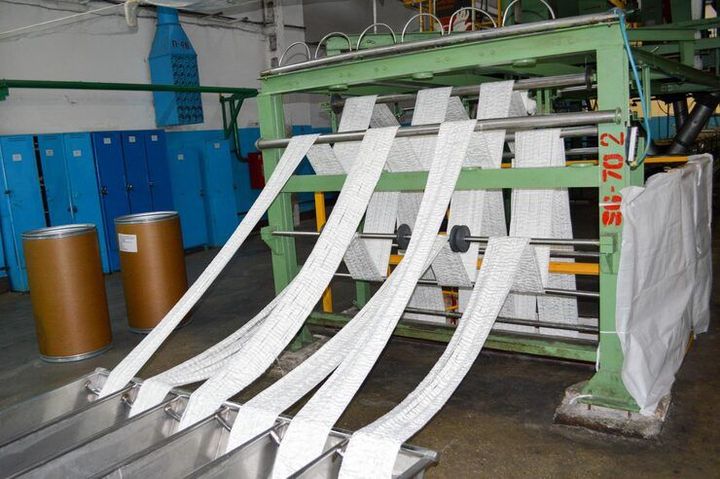
Paper Folding Machines Guide: Features, Uses, and Benefits for Modern Offices
Paper folding machines are automated office and print-production devices designed to fold large volumes of paper quickly and accurately. These machines are widely used in workplaces where documents such as invoices, newsletters, marketing letters, and official notices must be folded consistently before mailing or distribution.
Before automation became common, office staff folded documents manually. This process was time-consuming and often resulted in inconsistent folds. As document volumes increased, organizations needed faster and more reliable solutions.
Paper folding machines were developed to solve this problem. They automate repetitive folding tasks using rollers, plates, and sensors. These machines can produce precise folds such as letter fold, Z-fold, half fold, and gate fold.
Today, they are part of broader document automation systems that include printing, document management, and mailing tools.
Where Paper Folding Machines Are Used
Paper folding machines are widely used in environments that handle large volumes of documents. These machines help streamline workflow and reduce manual effort.
Common Usage Environments
- Corporate administrative departments
- Financial institutions processing statements
- Educational institutions distributing notices
- Government offices handling official correspondence
- Print production centers managing bulk documents
These environments rely on automation to maintain speed and accuracy in document handling.
Why Paper Folding Machines Matter in Today’s Workplaces
Modern organizations still depend on printed documents for compliance, billing, and communication. Even in digital environments, physical documents remain essential in many sectors.
Paper folding machines improve efficiency by handling repetitive tasks quickly and accurately. They also ensure documents are properly formatted for mailing and presentation.
Key Benefits
- Faster document processing
- Consistent folding accuracy
- Reduced manual labor
- Improved document presentation
- Better integration with mailing workflows
For example, financial institutions often process thousands of statements. Automated folding allows these tasks to be completed in minutes instead of hours.
Industries That Benefit Most
- Banking and finance
- Healthcare administration
- Government departments
- Insurance companies
- Educational institutions
These industries require efficient document processing to maintain smooth operations.
Common Fold Types and Their Applications
Paper folding machines support multiple fold styles, making them adaptable for different document needs.
| Fold Type | Description | Typical Use |
|---|---|---|
| Letter Fold | Paper folded into three panels | Billing statements |
| Z-Fold | Accordion-style folding | Marketing brochures |
| Half Fold | Paper folded into two equal sections | Invitations, booklets |
| Gate Fold | Both sides fold inward | Promotional materials |
This flexibility allows organizations to use one machine for multiple document formats.
Recent Developments and Trends in Paper Folding Technology
Paper folding technology has evolved significantly in recent years. Innovations focus on automation, efficiency, and integration with digital systems.
Modern machines now include sensors that detect paper size and thickness automatically. This reduces setup time and improves folding accuracy.
Key Trends in 2024–2025
- Energy-efficient motors for reduced power consumption
- Touchscreen control panels for easier operation
- Integration with document management systems
- Compact designs for smaller office spaces
Advanced sensors also improve paper jam detection. Machines can pause automatically to prevent damage and ensure smooth operation.
Another trend is modular office automation. Some systems combine folding, inserting, and mailing processes into a single workflow.
Laws and Policies Affecting Office Document Equipment
Paper folding machines are not heavily regulated, but workplace policies influence their use. Safety, environmental, and operational guidelines apply to office equipment.
Organizations must ensure machines are used safely and maintained properly. These rules help protect employees and ensure compliance with regulations.
Common Regulatory Areas
- Workplace machine safety standards
- Electrical compliance requirements
- Ergonomic guidelines
- Environmental regulations for electronic devices
For example, workplace safety guidelines from OSHA emphasize proper equipment handling. In Europe, directives like RoHS regulate hazardous substances in electronic equipment.
Data protection laws can also influence document workflows. Organizations must handle printed documents securely, especially when personal data is involved.
Tools and Resources for Document Processing and Office Automation
Paper folding machines work alongside various digital tools to create efficient workflows. These tools help manage both printed and digital documents.
Common Supporting Tools
- Document management software
- Print workflow management systems
- PDF editing tools
- Mailing automation platforms
- Office productivity software
Popular examples include Microsoft Office for document creation and Adobe Acrobat for formatting and editing.
Example Document Workflow
| Stage | Process | Tools Used |
|---|---|---|
| Document Creation | Preparing content | Word processing software |
| Formatting | Adjusting layout | PDF editing tools |
| Printing | Producing copies | Office printers |
| Folding | Preparing for mailing | Paper folding machines |
| Distribution | Sending documents | Mailing management systems |
This workflow demonstrates how different tools integrate to streamline document handling.
Frequently Asked Questions About Paper Folding Machines
What is a paper folding machine used for?
It is used to automatically fold documents into formats like letter folds or Z-folds. This helps prepare documents for mailing or distribution.
What types of documents are commonly folded?
Examples include billing statements, newsletters, official notices, brochures, and forms.
How do these machines improve efficiency?
They automate repetitive tasks, saving time and ensuring consistent results.
Can they handle different paper sizes?
Yes, most machines support multiple sizes and fold types through adjustable settings.
Are they used outside offices?
Yes, they are also used in print centers, schools, government offices, and financial institutions.
Conclusion
Paper folding machines play a key role in modern document workflows. Despite the growth of digital communication, printed documents remain important in many industries.
By automating repetitive tasks, these machines improve efficiency, accuracy, and consistency. They are often integrated into larger systems that include printing, mailing, and document management tools.
Advancements in automation and sensor technology have enhanced their performance. At the same time, safety and environmental regulations guide their use in workplaces.
Understanding these machines helps organizations manage both physical and digital documents more effectively.