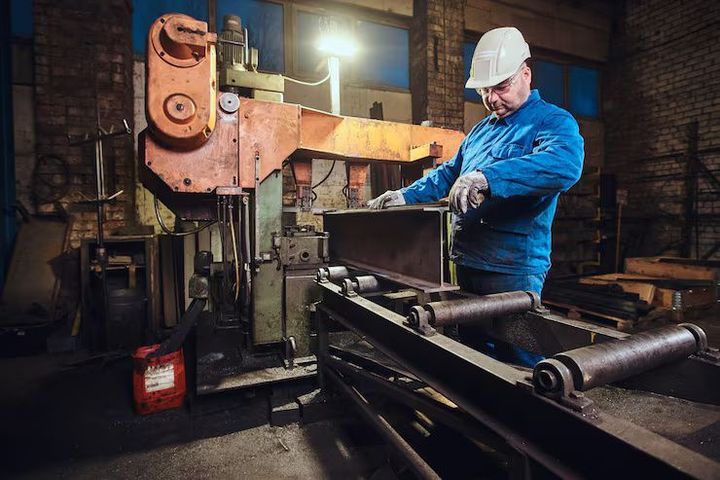
The need for pipe bending arises because many industrial applications require curved piping systems rather than straight lines. For example, pipelines in buildings, vehicle exhaust systems, and hydraulic systems all rely on precisely bent pipes to function effectively.
Pipe bending machines help achieve consistent shapes while maintaining the strength and internal diameter of the pipe. Without proper bending techniques, pipes can collapse, crack, or lose their structural integrity.
Types of Pipe Bending Machines
There are several types of pipe bending machines, each suited for different applications and production needs. These machines vary in precision, automation level, and material compatibility.
Common Types
-
Manual pipe benders
-
Hydraulic pipe bending machines
-
CNC (Computer Numerical Control) pipe bending machines
-
Electric pipe bending systems
CNC pipe bending machines are widely used in high-precision industries where accuracy and repeatability are essential. They are ideal for large-scale and complex manufacturing tasks.
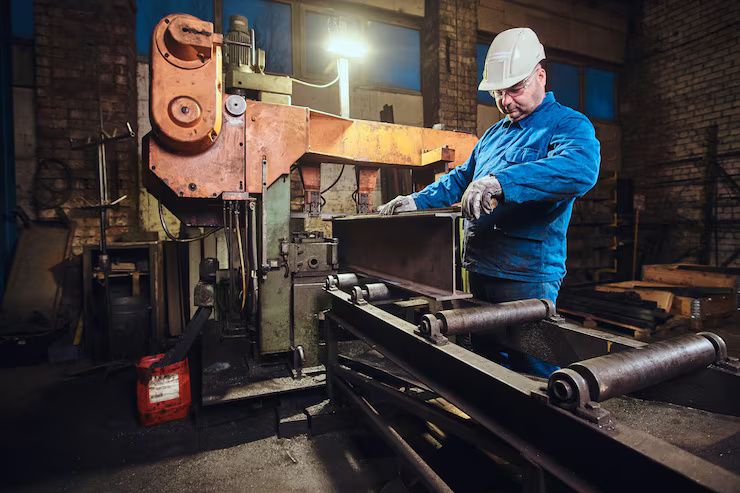
Why Pipe Bending Machines Are Important Today
Pipe bending machines play a critical role in modern manufacturing and infrastructure development. As industries move toward automation and precision engineering, the demand for accurate pipe shaping continues to grow.
Key Benefits
-
Ensure uniform bending angles across multiple pipes
-
Reduce material waste by minimizing errors
-
Improve production efficiency
-
Maintain pipe strength and durability
-
Support complex engineering designs
Industries That Use Pipe Bending
-
Automotive manufacturing (exhaust systems, fuel lines)
-
Construction (plumbing, HVAC systems)
-
Oil and gas (pipeline systems)
-
Aerospace (hydraulic and fuel systems)
-
Renewable energy (solar and wind infrastructure)
Problems Solved by Pipe Bending Machines
-
Pipe deformation during manual bending
-
Inconsistent angles affecting performance
-
Increased material wastage
-
Production delays
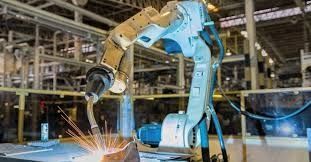
With the rise of Industry 4.0, these machines are now integrated with digital controls for automated and highly precise operations.
Recent Trends and Developments in 2025
Pipe bending technology has evolved significantly to meet modern manufacturing demands. In 2025, several innovations have improved efficiency, accuracy, and sustainability.
Key Trends
-
Increased adoption of CNC machines for precision work
-
Integration of IoT for real-time monitoring
-
Use of simulation software to predict outcomes
-
Development of energy-efficient machine designs
-
Multi-axis bending for complex geometries
Manufacturers are also implementing AI-based systems to optimize bending parameters such as material type, thickness, and bend radius. This reduces errors and improves consistency.
Digital twin technology is another major advancement, allowing virtual testing before production. This helps reduce waste and improve operational efficiency.
Regulations and Policies
Pipe bending machines must comply with safety and environmental regulations, especially in industrial environments. These standards ensure safe and efficient operations.
Key Regulatory Areas
-
Workplace safety standards
-
Environmental compliance
-
Equipment certification
-
Operator training requirements
Common Standards
-
ISO 9001 (quality management systems)
-
ISO 14001 (environmental management)
-
OSHA guidelines (workplace safety)
In India, manufacturing facilities must also follow labor laws and environmental regulations related to emissions and waste management.
Tools and Resources for Pipe Bending
Various tools and digital resources support pipe bending from design to execution. These tools help improve accuracy, efficiency, and quality control.
Common Tools
-
CAD software for pipe layout design
-
CAM software for machine programming
-
Bending calculators for angle calculations
-
CNC control panels for automation
-
Measurement tools like digital calipers and angle gauges
File Formats and Data Types
-
CAD drawings (DWG, DXF)
-
CNC programming files
-
Material specification sheets
Comparison of Pipe Bending Methods
| Bending Method | Accuracy Level | Suitable Materials | Common Use Case |
|---|
| Manual Bending | Low | Soft metals | Small-scale projects |
| Hydraulic Bending | Medium | Steel, aluminum | Construction and plumbing |
| CNC Bending | High | Various metals | Automotive and aerospace |
| Rotary Draw Bending | Very High | Thin-walled tubes | Precision engineering |
Basic Pipe Bending Workflow
-
Design the pipe layout using CAD software
-
Select material and bending method
-
Input specifications into the machine
-
Perform bending operation
-
Inspect final output for accuracy
Modern systems may also include:
-
Real-time monitoring dashboards
-
Predictive maintenance tools
-
Automated quality inspection systems
Frequently Asked Questions
What is a pipe bending machine used for?
A pipe bending machine is used to shape pipes into specific angles or curves while maintaining their strength and internal diameter.
What materials can be bent?
Common materials include steel, stainless steel, aluminum, copper, and industrial alloys.
What is the difference between CNC and manual bending?
CNC bending uses computer-controlled systems for high precision and repeatability. Manual bending relies on human operation and is less accurate.
Why is bend radius important?
The bend radius determines how sharply a pipe can be bent without causing damage like cracking or deformation.
How does automation improve pipe bending?
Automation increases accuracy, reduces errors, and enables consistent production of complex pipe shapes.
Additional Insights on Performance and Efficiency
Pipe bending efficiency depends on several technical and environmental factors. These factors influence the final output quality and production speed.
Key Factors
-
Material type and thickness
-
Machine capability
-
Tooling quality
-
Operator expertise
-
Environmental conditions
Performance Factors Table
| Factor | Impact on Bending Quality |
|---|
| Material Strength | High |
| Machine Precision | Very High |
| Tool Condition | High |
| Operator Skill | Moderate |
| Temperature Control | Moderate |
Modern CNC systems use sensors to monitor pressure, temperature, and alignment. This ensures optimal performance and consistent results.
Conclusion
Pipe bending machines are essential in modern manufacturing and infrastructure development. They enable precise shaping of pipes across industries such as construction, automotive, aerospace, and energy.
With advancements in automation, AI, and digital monitoring, these machines are becoming more efficient and sustainable. Understanding their functionality helps businesses improve design, production, and quality control processes.