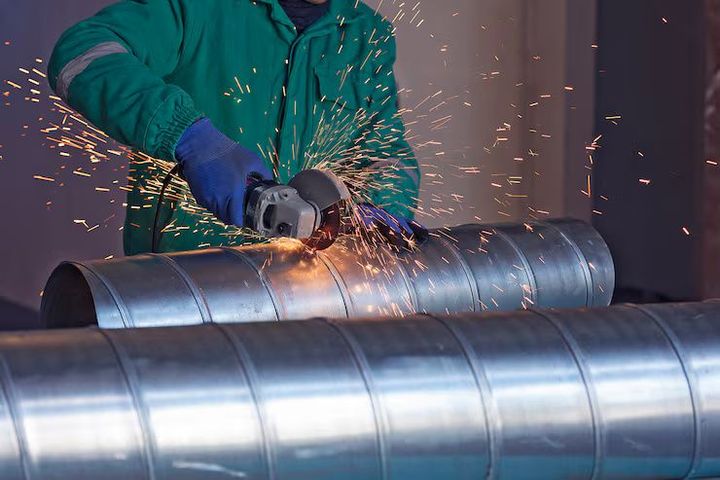
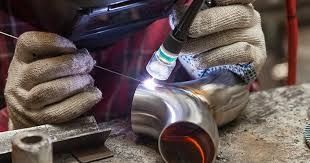
Pipelines are essential for transporting liquids and gases over long distances. Welding is the primary method used to connect pipe sections because it creates a permanent and durable bond. Pipeline welding systems ensure these connections meet strict safety and performance standards.
Several welding techniques are used in pipeline construction, depending on the material and project requirements.
Common Welding Techniques
-
Shielded Metal Arc Welding (SMAW)
-
Gas Metal Arc Welding (GMAW)
-
Flux-Cored Arc Welding (FCAW)
-
Submerged Arc Welding (SAW)
-
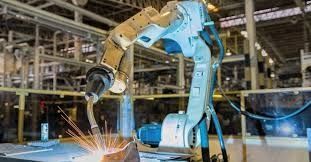
Automated and robotic welding systems
Modern systems often combine automation with digital monitoring to improve consistency and accuracy.
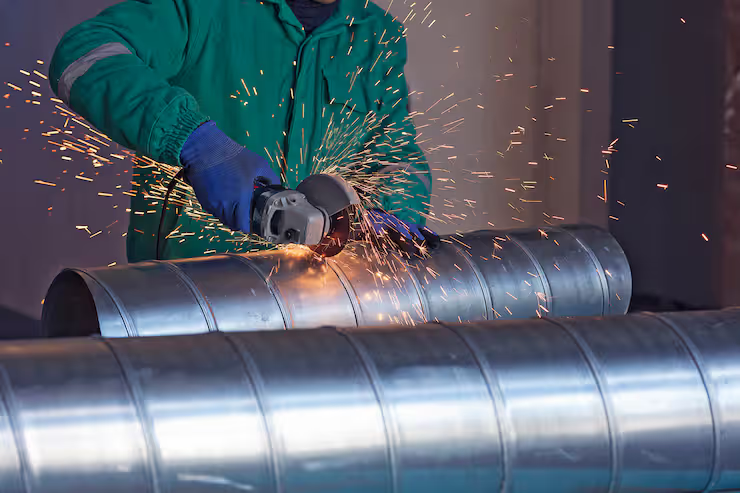
Why Pipeline Welding Systems Matter in Modern Industries
Pipeline welding systems play a critical role in global infrastructure. They support industries that rely on safe and efficient transportation of resources such as oil, natural gas, water, and chemicals.
This topic is increasingly important due to rapid industrial and infrastructure growth worldwide.
Key Drivers of Importance
-
Increasing global energy demand
-
Expansion of natural gas and renewable energy infrastructure
-
Urban development requiring water and sewage pipelines
-
Industrial growth in developing regions
Poor welding can lead to leaks, corrosion, and structural failures, which may cause environmental damage and safety risks.
Industries Impacted
-
Oil and gas exploration and transportation
-
Power generation and utilities
-
Construction and civil engineering
-
Water management systems
Advanced welding systems also improve sustainability by reducing waste and increasing pipeline lifespan.
Recent Developments and Industry Trends in 2025
Pipeline welding technology has evolved significantly in 2025, focusing on automation, safety, and environmental responsibility. New systems are designed to enhance precision and reduce human error.
Digital transformation is playing a key role in modern pipeline welding processes.
Key Trends
-
Increased use of automated welding systems in large-scale projects
-
Integration of artificial intelligence for weld inspection
-
Real-time monitoring of welding parameters
-
Development of low-emission welding processes
Robotic welding is now widely used in remote or hazardous environments, improving both safety and efficiency.
Emerging Technologies
-
Digital welding management systems for data analysis
-
Hybrid welding techniques combining laser or plasma
-
Specialized welding methods for hydrogen pipelines
These innovations improve weld quality, speed, and compliance with modern safety standards.
Regulatory Framework and Compliance Requirements
Pipeline welding systems are governed by strict regulations to ensure safety, environmental protection, and long-term reliability. These standards define how welding should be performed and inspected.
In India, multiple regulatory bodies oversee pipeline welding practices.
Indian Standards and Authorities
-
Bureau of Indian Standards (BIS) codes
-
Oil Industry Safety Directorate (OISD) guidelines
-
Petroleum and Natural Gas Regulatory Board (PNGRB) regulations
International standards are also widely followed.
Global Standards
-
American Petroleum Institute (API) standards
-
American Society of Mechanical Engineers (ASME) codes
-
ISO welding standards
Areas Covered by Regulations
-
Welding procedures and qualifications
-
Inspection and testing requirements
-
Material specifications
-
Environmental and safety measures
Compliance ensures pipelines can withstand pressure, temperature changes, and environmental conditions.
Tools and Resources for Pipeline Welding Systems
Pipeline welding relies on a combination of physical tools and digital technologies. These tools support every stage, from preparation to inspection.
Modern systems emphasize automation and real-time data analysis.
Common Tools
-
Welding power sources and control systems
-
Pipe alignment clamps and fixtures
-
Automated welding machines
-
Non-destructive testing (NDT) equipment
-
Thermal imaging devices
Digital Tools and Software
-
Welding simulation software for training and planning
-
CAD tools for pipeline design
-
Real-time data monitoring systems
-
Inspection reporting software
Welding Methods Comparison Table
| Welding Method | Key Feature | Typical Application |
|---|
| SMAW | Manual and flexible | Field welding and repairs |
| GMAW | High speed and efficiency | Production environments |
| FCAW | Strong weld penetration | Heavy-duty pipelines |
| SAW | Deep weld quality | Large diameter pipelines |
| Automated | High precision | Large-scale infrastructure |
Basic Pipeline Welding Workflow
-
Preparation of pipe surfaces
-
Alignment and fitting of pipe sections
-
Selection of appropriate welding method
-
Execution of welding process
-
Inspection and testing of weld joints
Inspection methods include ultrasonic testing, radiographic testing, and visual inspection.
Frequently Asked Questions About Pipeline Welding Systems
What is the main purpose of pipeline welding?
Pipeline welding joins pipe sections securely to ensure leak-proof and durable connections for transporting fluids and gases.
What factors influence the choice of welding method?
Key factors include pipe material, thickness, environmental conditions, project scale, and required weld strength.
What is automated pipeline welding?
Automated welding uses machines or robots to perform welding tasks with minimal human intervention, improving accuracy and consistency.
Why is inspection important in pipeline welding?
Inspection ensures welds meet safety and quality standards, preventing failures and extending pipeline lifespan.
How do regulations impact pipeline welding systems?
Regulations define standards for materials, procedures, and testing, ensuring safety and compliance with national and international guidelines.
Additional Insights and Technical Overview
Pipeline welding systems require precise control of several variables to maintain weld quality. Even small variations can affect the strength and durability of the joint.
Key Welding Variables
-
Heat input
-
Welding speed
-
Arc stability
-
Material composition
Improper control can lead to serious defects.
Common Welding Defects
-
Cracks
-
Porosity
-
Incomplete fusion
-
Distortion
Welding Quality Factors Table
| Factor | Impact on Weld Quality |
|---|
| Heat Control | Prevents material damage |
| Alignment Accuracy | Ensures proper joint fit |
| Material Selection | Improves durability |
| Inspection Methods | Detects hidden defects |
Modern systems use sensors and data analytics to maintain these factors within optimal ranges.
Conclusion
Pipeline welding systems are a fundamental part of modern infrastructure. They enable the safe and efficient transport of essential resources across industries such as energy, construction, and utilities.
Advancements in automation, digital monitoring, and hybrid technologies continue to improve precision and sustainability. Regulatory frameworks ensure safety and quality, while modern tools enhance efficiency and reliability.
As global demand for energy and infrastructure grows, pipeline welding systems will remain critical to industrial development.