Plasma Cutting Machines Explained: Types, Benefits & Uses
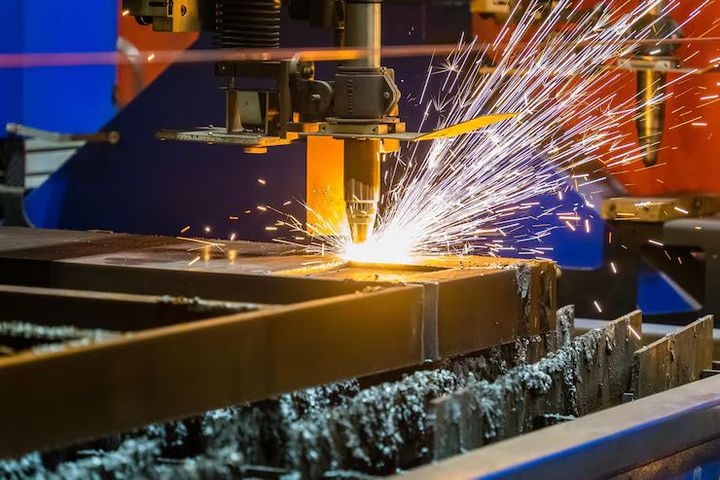
Plasma cutting machines are advanced industrial tools used to cut electrically conductive metals with precision and speed. They use a high-temperature plasma arc that melts metal while a stream of compressed gas removes the molten material from the cutting area.
The technology was developed to provide a faster and more accurate alternative to traditional metal-cutting methods. Industries needed a solution capable of handling thick metal sheets, complex shapes, and large-scale production requirements. Plasma cutting emerged as an effective answer because it combines speed, efficiency, and flexibility.
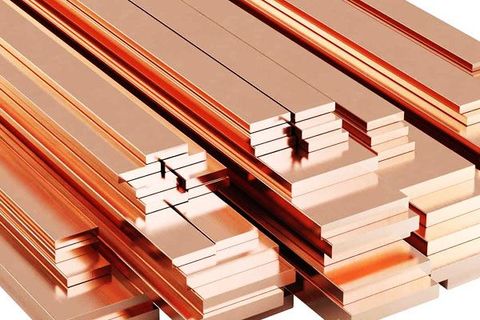
Today, plasma cutting is widely used in manufacturing, construction, transportation, energy production, agriculture, and metal fabrication. It allows operators to cut materials such as steel, stainless steel, aluminum, brass, and copper with high accuracy.
How Plasma Cutting Works
The process begins when an electrical arc passes through a gas such as air, nitrogen, or oxygen. This gas becomes ionized and transforms into plasma, which can reach temperatures exceeding 20,000°C.
The plasma jet melts the target metal while compressed gas blows away the molten material. The result is a clean cut with minimal waste and reduced finishing requirements.
Main Types of Plasma Cutting Machines
The most common types include:
| Type | Description | Typical Usage |
|---|---|---|
| Manual Plasma Cutter | Hand-operated equipment for smaller projects | Maintenance and repair |
| CNC Plasma Cutter | Computer-controlled cutting system | Manufacturing and fabrication |
| High-Definition Plasma Cutter | Produces highly accurate cuts | Precision engineering |
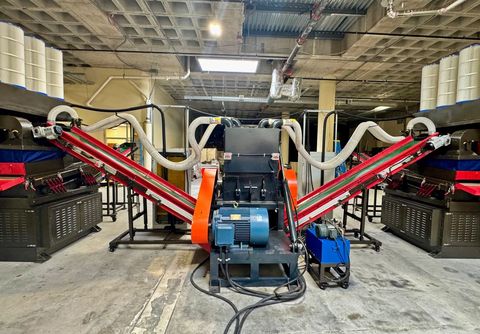
| Robotic Plasma Cutter | Automated cutting integrated with robotics | Large-scale production |
| Portable Plasma Cutter | Compact and mobile equipment | Field operations |
Each type serves different industrial needs depending on material thickness, production volume, and precision requirements.
Why Plasma Cutting Machines Matter Today
Modern industries rely heavily on efficient metal processing. Plasma cutting machines help meet growing demands for productivity, precision, and material optimization.
Improved Manufacturing Efficiency
One of the biggest advantages of plasma cutting is speed. Compared with many traditional cutting methods, plasma systems can process metal significantly faster while maintaining quality.
Enhanced Precision
Computer-controlled plasma systems allow manufacturers to create complex designs and detailed shapes. This capability is important in sectors where precision directly affects product performance and safety.
Reduced Material Waste
Accurate cutting paths help minimize scrap material. Efficient use of raw materials contributes to sustainability goals and improved resource management.
Versatility Across Industries
Plasma cutting supports a wide range of sectors, including:
- Structural steel fabrication
- Automotive manufacturing
- Shipbuilding
- Aerospace components
- Agricultural equipment production
- Heavy machinery manufacturing
- Energy infrastructure development
Workplace Productivity Benefits
Organizations use plasma cutting technology to streamline production workflows, reduce manual effort, and improve consistency across projects.
The ability to process different metal types using a single system makes plasma cutting a valuable technology for modern industrial environments.
Recent Updates and Industry Trends
The plasma cutting industry has experienced significant technological advancements during the past year.
Increased Automation in 2025
Throughout 2025, manufacturers continued integrating automated plasma systems into production facilities. Advanced control software allows machines to optimize cutting paths automatically, improving efficiency and reducing errors.
Growth of Smart Manufacturing
Industrial facilities are increasingly adopting smart manufacturing technologies. Plasma cutting equipment is now commonly connected to digital monitoring systems that track performance, maintenance requirements, and production metrics in real time.
Artificial Intelligence Integration
Recent developments have introduced artificial intelligence features capable of optimizing cutting parameters based on material characteristics. These systems help improve cut quality while reducing energy consumption.
Focus on Energy Efficiency
During late 2025 and early 2026, industry attention shifted toward reducing energy usage. New plasma systems are being designed to improve efficiency without compromising cutting performance.
Enhanced Safety Features
Manufacturers have introduced improved safety mechanisms, including:
- Automated shutdown systems
- Advanced ventilation monitoring
- Improved arc control technology
- Real-time diagnostic alerts
Sustainability Initiatives
Environmental considerations continue influencing industrial equipment design. Newer plasma cutting systems focus on reducing emissions, improving material utilization, and supporting sustainable manufacturing practices.
Industry Trend Overview
| Trend | Impact |
| Automation | Improved productivity |
| AI Integration | Better cut quality |
| Digital Monitoring | Enhanced maintenance planning |
| Energy Efficiency | Reduced resource consumption |
| Safety Enhancements | Improved workplace protection |
| Sustainability Focus | Better environmental performance |
These developments demonstrate how plasma cutting technology continues evolving to meet modern industrial requirements.
Regulations and Policy Considerations
Plasma cutting operations are influenced by workplace safety, environmental, and industrial regulations.
Occupational Safety Requirements
Many countries require industrial facilities to follow workplace safety standards related to:
- Operator protection
- Ventilation systems
- Noise management
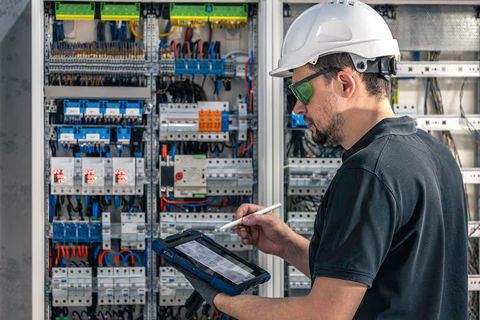
- Electrical safety
- Fire prevention measures
Employers are generally responsible for ensuring workers receive appropriate training and protective equipment.
Environmental Regulations
Metal cutting processes may generate fumes, dust, and emissions. Environmental regulations often require facilities to implement suitable filtration and air-quality management systems.
Industrial Equipment Standards
Manufacturers typically design plasma cutting equipment according to recognized industrial safety and performance standards. Compliance helps ensure reliability and safe operation.
Energy Efficiency Policies
Governments increasingly encourage industrial organizations to adopt energy-efficient technologies. Plasma cutting equipment that supports efficient energy use aligns with broader sustainability objectives.
Workplace Health Frameworks
Many industrial jurisdictions have regulations covering:
- Air quality monitoring
- Exposure limits for fumes
- Equipment maintenance requirements
- Emergency response procedures
Organizations operating plasma cutting systems must remain aware of applicable local and national regulations.
Useful Tools and Resources for Learning About Plasma Cutting
Many educational resources can help individuals understand plasma cutting technology and industrial metal processing.
Digital Design Software
Computer-aided design platforms allow users to create technical drawings and cutting layouts before production begins.
Material Thickness Calculators
These tools help estimate cutting parameters based on metal type and thickness.
Production Planning Templates
Planning templates assist organizations in managing fabrication projects, material usage, and workflow schedules.
Safety Assessment Checklists
Workplace safety checklists support risk evaluation and operational compliance.
Technical Training Resources
Educational materials covering plasma technology, metalworking principles, and industrial safety practices can improve understanding of the cutting process.
Maintenance Tracking Systems
Digital maintenance tools help monitor equipment performance and schedule preventive maintenance activities.
Industry Knowledge Resources
Useful learning materials often include:
- Technical guides
- Engineering handbooks
- Manufacturing manuals
- Industrial training programs
- Equipment documentation
- Process optimization resources
These tools support informed decision-making and encourage best practices within industrial environments.
Frequently Asked Questions
What materials can plasma cutting machines cut?
Plasma cutting machines can cut electrically conductive metals, including steel, stainless steel, aluminum, brass, copper, and various metal alloys.
Is plasma cutting suitable for thick metal sheets?
Yes. Plasma cutting is commonly used for thick metal materials, although cutting capacity depends on machine specifications and power levels.
How is plasma cutting different from laser cutting?
Plasma cutting uses an ionized gas stream to melt metal, while laser cutting uses a focused beam of light. Plasma systems are often preferred for thicker conductive materials and high-speed industrial applications.
Are plasma cutting machines used in automated manufacturing?
Yes. Modern CNC and robotic plasma cutting systems are widely integrated into automated manufacturing environments to improve productivity and consistency.
What safety precautions are important during plasma cutting?
Important precautions include proper ventilation, eye protection, protective clothing, equipment maintenance, and adherence to workplace safety procedures.
Conclusion
Plasma cutting machines have become an essential technology in modern manufacturing and metal processing. Their ability to cut conductive metals quickly, accurately, and efficiently makes them valuable across numerous industries.