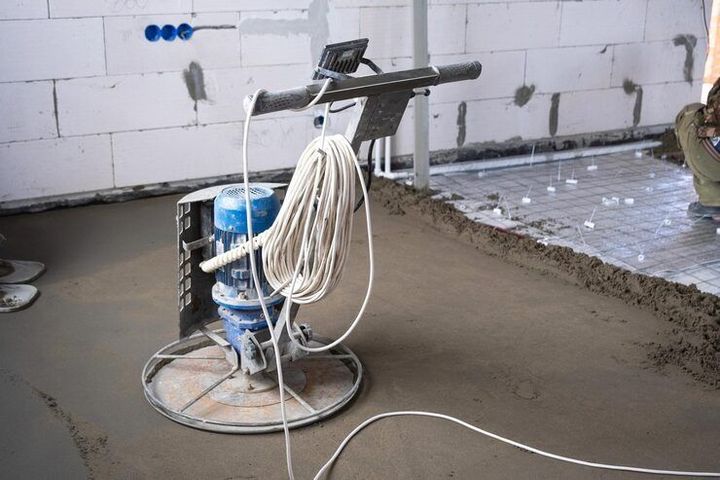
Plastering Machines Guide: Explore Types, Components, Applications, Benefits, and Planning Factors
A plastering machine is equipment designed to mix, pump, convey, and apply plaster or mortar onto surfaces such as walls and ceilings. A plastering machines guide helps explain how these systems work, what types are available, which components they contain, and where they are commonly used. Depending on the design, a machine may handle several stages of plaster application rather than relying entirely on manual tools.
Traditional plastering generally involves preparing mortar, carrying it to the work area, applying it with hand tools, and leveling the surface. Mechanized systems developed to reduce the amount of manual handling involved in these repeated activities and to provide a more continuous application process.
Modern plastering machines can range from compact units for smaller construction projects to larger systems designed for extensive building work. Some machines combine mixing and pumping functions, while others are primarily intended for spraying prepared material.
How Plastering Machines Work
A typical plastering machine receives dry or prepared material, mixes it with water when the design includes a mixing system, and transports the resulting plaster through a hose. Compressed air or mechanical pressure can then help project the material onto a wall or ceiling.
The exact working principle varies by machine. Screw pumps, piston pumps, rotor-stator systems, and other pumping arrangements can be used depending on the material and equipment configuration.
Common Materials
Plastering machines can be used with different materials when the machine is designed for them. These may include cement-based plaster, lime-based mixtures, gypsum plaster, premixed mortar, and certain specialized construction compounds.
Material compatibility is important because differences in particle size, moisture content, viscosity, and setting behavior can affect pumping and spraying. The machine manufacturer's technical specifications and the material manufacturer's instructions generally provide the relevant operating limits.
Importance
Plastering is an important stage in many construction projects because wall and ceiling surfaces often require a relatively uniform layer before subsequent finishing work. Manual application can involve repeated mixing, carrying, throwing, spreading, and leveling, particularly across large areas.
A plastering machine addresses some of these handling challenges by moving material through a hose and applying it closer to the surface where it is required. This can change how workers organize the plastering process and how material is transported around a construction site.
Applications in Construction
Plastering machines can be used in several construction environments, including:
- Residential buildings
- Commercial buildings
- Industrial structures
- Schools and institutional buildings
- Interior wall finishing
- Exterior wall plastering
- Ceiling applications
- Renovation and refurbishment projects
The suitability of a machine depends on the surface, material, building layout, available power and water, and required application method.
Benefits of Mechanized Plastering
Mechanized plastering can provide several practical benefits when the equipment and material are appropriately matched. Continuous pumping can reduce some manual material movement, while spray application can help distribute material across larger surfaces.
Other potential benefits include more consistent material delivery, reduced handling between mixing and application, and easier integration with organized construction workflows. Actual results depend on machine configuration, operator technique, material preparation, surface conditions, and site planning.
Factors Affecting Plaster Quality
The final surface depends on more than the machine itself. Important factors include:
- Correct material-to-water ratio
- Proper material preparation
- Surface cleanliness and condition
- Hose length and configuration
- Pump pressure
- Spray distance
- Application thickness
- Ambient temperature and humidity
- Setting characteristics of the plaster
- Leveling and finishing techniques
Incorrect settings or unsuitable material can result in blockages, uneven application, excessive rebound, cracking, or other surface problems.
Recent Updates
From 2024 through 2026, developments in construction equipment have continued to emphasize mechanization, automation, improved material handling, and digital monitoring. Plastering equipment is increasingly considered as part of broader construction workflows rather than as an isolated machine.
Manufacturers and construction equipment developers have continued working on systems that combine mixing, pumping, spraying, and control functions. Equipment designs may include electronic controls that allow operators to regulate pumping and material flow according to the application.
Automation and Remote Operation
Some mechanized construction systems incorporate remote controls and automated functions. In plastering applications, these features can help operators control material flow or machine operation without repeatedly moving back to the main unit.
Automation can also support more repeatable operation when application conditions remain consistent. However, automated equipment still requires appropriate material preparation, surface inspection, cleaning, and operator supervision.
Improved Material Handling
Modern plastering systems are increasingly designed around premixed and factory-formulated construction materials. These materials can simplify some site preparation steps because their composition is established before reaching the application area.
Equipment must still be matched to the material. Pumping characteristics, maximum aggregate size, water requirements, hose dimensions, and setting behavior can differ between formulations.
Construction Technology Integration
The broader construction sector is also using digital tools for project planning, equipment monitoring, documentation, and workflow coordination. While not every plastering machine includes digital connectivity, construction sites can increasingly combine equipment information with broader project-management systems.
These developments reflect a general movement toward more organized material handling and mechanized construction processes.
Laws or Policies
In India, construction activities are subject to occupational safety and health requirements, with applicable rules depending on the type of workplace, establishment, construction activity, and state or central framework.
The Building and Other Construction Workers (Regulation of Employment and Conditions of Service) Act, 1996 established provisions relating to the safety, health, and welfare of building and other construction workers. The associated rules address matters such as workplace safety, protective equipment, lifting appliances, construction machinery, and working conditions.
India has also introduced the Occupational Safety, Health and Working Conditions Code, 2020, which consolidates several labour and workplace-safety laws. Implementation requirements and applicable rules should be checked according to the current legal framework and the specific construction activity.
For construction equipment, safety planning generally includes machine inspection, appropriate guarding, electrical protection, safe hose handling, worker training, personal protective equipment, and procedures for cleaning or clearing blockages.
Construction sites may also be subject to environmental requirements concerning dust, noise, wastewater, and construction debris. Local authorities and applicable environmental rules can determine the requirements for a particular project.
These legal and safety considerations can change according to location and project type. General information about plastering machines should therefore be treated as educational information rather than a substitute for site-specific legal or engineering guidance.
Tools and Resources
Several resources can help construction teams understand plastering machines and plan their use.
Equipment Manuals
The machine manual normally provides information about installation, electrical requirements, pump operation, hose configuration, compatible materials, cleaning procedures, maintenance intervals, and safety precautions. It is the primary technical reference for a specific machine.
Material Technical Data Sheets
Plaster and mortar manufacturers commonly provide technical data sheets describing mixing requirements, application thickness, setting behavior, substrate preparation, and compatible application methods. These documents can help determine whether a particular material is appropriate for mechanized application.
Productivity Planning Sheets
A simple planning sheet can be used to record expected application area, material requirements, machine capacity, hose length, available power, water supply, and workforce requirements.
| Planning factor | Information to consider |
|---|---|
| Surface area | Total wall or ceiling area |
| Material | Plaster or mortar formulation |
| Application thickness | Required layer thickness |
| Machine capacity | Pumping or spraying capability |
| Power supply | Voltage and available electrical capacity |
| Water supply | Required quantity and consistency |
| Hose arrangement | Length, diameter, and routing |
| Work area | Access, height, and surface conditions |
| Cleaning | Time and procedures required after use |
| Safety | Guards, PPE, electrical and site controls |
Construction Standards and Technical References
Relevant Indian Standards, building specifications, workplace-safety requirements, and project specifications can provide additional guidance. Engineers, contractors, and site managers may also use project drawings and method statements to coordinate equipment use with other construction activities.
FAQs
What is a plastering machine?
A plastering machine is construction equipment used to mix, pump, convey, or spray plaster and mortar onto walls, ceilings, or other suitable surfaces. The functions available depend on the machine design.
What are the main types of plastering machines?
Common categories include automatic plastering machines, spray plastering machines, mortar spraying machines, mixing-and-pumping systems, and compact pumping units. Some machines combine several functions in one system.
What are the main components of a plastering machine?
Typical components include a mixing unit, hopper, pump, motor, control panel, material hose, spray gun or nozzle, air compressor where required, and supporting frame. The exact arrangement differs between models.
Where are plastering machines used?
Plastering machines are used for interior and exterior walls, ceilings, residential buildings, commercial structures, industrial facilities, institutional buildings, and some renovation projects. Their application depends on the material and surface conditions.
What factors should be considered when planning plastering machine use?
Important planning factors include the plaster material, surface area, application thickness, machine capacity, power and water availability, hose layout, working height, site access, cleaning requirements, and applicable safety procedures.
Conclusion
Plastering machines mechanize several stages of plaster and mortar application, including material handling, pumping, and spraying. Different machine types and components are suited to different materials, surfaces, and construction environments. Recent developments have focused on mechanization, improved material handling, electronic controls, and integration with broader construction workflows. Proper planning involves considering material compatibility, site conditions, machine capacity, worker safety, and applicable construction requirements.