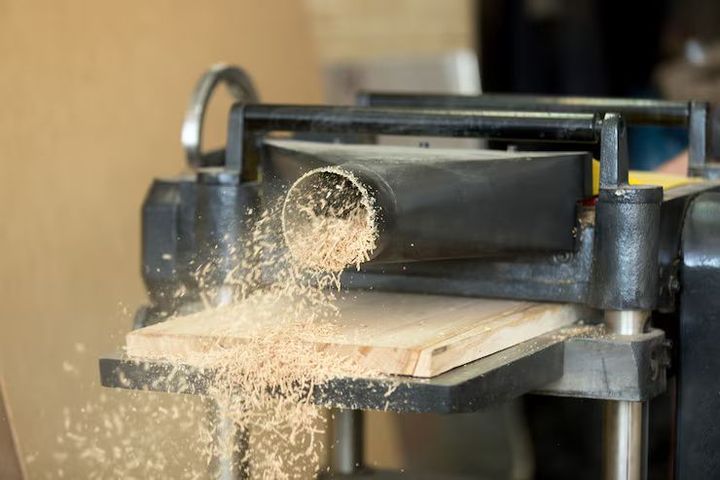
Plywood Press Machines: Types, Benefits & Innovations
Plywood is one of the most widely used engineered wood products in construction, furniture manufacturing, interior design, and industrial applications. To produce strong and durable plywood sheets, manufacturers rely on specialized equipment known as plywood press machines.
A plywood press machine is designed to apply controlled pressure and, in many cases, heat to layers of wood veneers that have been bonded together using adhesive. The machine compresses these layers into a solid panel, ensuring uniform thickness, strength, and structural stability.
The development of plywood press technology emerged from the growing need for efficient wood utilization and large-scale panel production. Traditional woodworking methods often resulted in material waste and inconsistent quality. Press machines helped address these challenges by improving manufacturing precision and increasing productivity.
Today, plywood press machines are used across various manufacturing environments, from small production facilities to large industrial plants. They play a critical role in producing plywood panels used in residential construction, commercial buildings, transportation, and furniture applications.
Types of Plywood Press Machines
Different plywood production requirements have led to the development of several types of press machines.
Cold Press Machines
Cold press machines apply pressure without significant heating. They are typically used before hot pressing to improve adhesive penetration and veneer bonding.
Common characteristics include:
- Lower energy consumption
- Pre-pressing applications
- Improved panel alignment
- Reduced manufacturing defects
Hot Press Machines
Hot press machines combine pressure and heat to cure adhesives and permanently bond veneer layers.
Key features include:
- Faster adhesive curing
- Higher production efficiency
- Enhanced panel strength
- Consistent product quality
Multi-Daylight Press Machines
These machines contain multiple pressing layers or openings, allowing several plywood panels to be processed simultaneously.
Benefits include:
- Increased production capacity
- Better space utilization
- Improved manufacturing efficiency
Continuous Press Systems
Continuous press systems are designed for large-scale manufacturing operations where plywood panels move continuously through the pressing process.
Advantages include:
- Automated production
- Consistent panel quality
- High throughput rates
- Reduced manual handling
Comparison of Common Plywood Press Machine Types
| Machine Type | Heat Applied | Production Capacity | Primary Purpose |
|---|---|---|---|
| Cold Press | No | Medium | Pre-pressing veneers |
| Hot Press | Yes | High | Final bonding process |
| Multi-Daylight Press | Yes | Very High | Multiple panel production |
| Continuous Press | Yes | Extremely High | Large-scale manufacturing |
How the Plywood Pressing Process Works
Plywood manufacturing involves several coordinated stages, with the press machine serving as the central component.
Veneer Preparation
Wood logs are peeled into thin veneer sheets. These sheets are dried and inspected for quality before entering production.
Adhesive Application
Specialized adhesives are applied evenly to veneer surfaces. Proper adhesive distribution is essential for achieving strong bonding.
Layer Assembly
The veneers are stacked with alternating grain directions. This cross-laminated structure helps improve strength and dimensional stability.
Pre-Pressing Stage
Many manufacturers use cold press machines to align layers and improve adhesive contact before hot pressing.
Hot Pressing Stage
The assembled veneer stack enters the hot press machine, where heat and pressure are applied simultaneously.
Typical objectives include:
- Bonding veneer layers
- Activating adhesive curing
- Improving panel density
- Ensuring uniform thickness
Cooling and Inspection
After pressing, panels are cooled and inspected to verify quality standards before further processing.
Importance of Plywood Press Machines in Modern Manufacturing
Plywood press machines remain essential because they directly influence the quality, durability, and performance of finished plywood products.
Supporting Construction and Infrastructure
Modern construction projects require reliable engineered wood products capable of meeting structural demands. Press machines help manufacturers produce consistent plywood panels for walls, floors, roofs, and formwork applications.
Improving Manufacturing Efficiency
Automation and advanced pressing systems enable higher production volumes while maintaining quality standards. This supports growing demand from residential, commercial, and industrial sectors.
Reducing Material Waste
Efficient pressing technology helps maximize the use of wood resources by reducing defects and minimizing rejected panels.
Enhancing Product Performance
Proper pressing improves:
- Structural strength
- Moisture resistance
- Surface quality
- Dimensional stability
- Long-term durability
Industries Influenced by Plywood Press Technology
| Industry | Application |
|---|---|
| Construction | Structural panels and formwork |
| Furniture | Cabinets, tables, and shelving |
| Transportation | Vehicle interiors and flooring |
| Interior Design | Decorative panels and wall systems |
| Packaging | Industrial wooden packaging solutions |
Recent Updates and Industry Trends
The plywood manufacturing sector has experienced significant technological developments throughout 2025 and early 2026.
Greater Automation Adoption
During 2025, manufacturers increasingly integrated automated control systems into plywood press operations. These systems help monitor temperature, pressure, and cycle times with greater accuracy.
Automation trends include:
- Real-time monitoring
- Digital process control
- Predictive maintenance systems
- Automated quality inspection
Energy Efficiency Improvements
Throughout 2025, many facilities focused on reducing energy consumption by upgrading hydraulic systems and improving heat recovery mechanisms.
These advancements support:
- Lower energy usage
- Reduced emissions
- Improved operational efficiency
Smart Manufacturing Integration
Industry adoption of Industry 4.0 technologies continued expanding during late 2025 and early 2026.
Common developments include:
- Sensor-based monitoring
- Data-driven production management
- Cloud-connected equipment
- Machine performance analytics
Sustainability Focus
Growing environmental awareness has encouraged manufacturers to improve resource efficiency and reduce production waste.
Recent sustainability initiatives include:
- Better adhesive management
- Reduced energy consumption
- Improved wood utilization
- Enhanced recycling practices
Enhanced Safety Technologies
Modern press machines increasingly incorporate:
- Automated shutdown systems
- Pressure monitoring sensors
- Emergency protection controls
- Operator safety safeguards
Laws and Policies Affecting Plywood Press Machines
Plywood manufacturing equipment operates within a framework of safety, environmental, and industrial regulations.
Industrial Safety Requirements
Manufacturing facilities are generally required to follow workplace safety standards that govern machine operation, maintenance procedures, and employee protection.
Common requirements include:
- Machine guarding systems
- Emergency stop mechanisms
- Operator training programs
- Maintenance documentation
Environmental Regulations
Many countries have regulations regarding:
- Industrial emissions
- Energy efficiency
- Waste management
- Air quality standards
These rules influence machine design and manufacturing practices.
Product Quality Standards
Plywood products often must comply with national and international quality standards that define:
- Strength requirements
- Moisture resistance
- Dimensional tolerances
- Performance specifications
Sustainable Forestry Frameworks
Many regions promote responsible sourcing of wood materials through forestry certification and sustainability programs.
These initiatives encourage:
- Responsible forest management
- Traceability systems
- Resource conservation
- Long-term environmental protection
Energy Conservation Policies
Governments increasingly support industrial modernization programs aimed at improving manufacturing efficiency and reducing energy consumption.
Helpful Tools and Resources for Understanding Plywood Press Technology
Professionals, students, and researchers can benefit from various educational and technical resources.
Engineering Calculation Tools
Useful resources include:
- Pressure calculators
- Hydraulic force calculators
- Heat transfer estimators
- Production capacity calculators
Manufacturing Templates
Common templates help track:
- Maintenance schedules
- Quality inspections
- Production records
- Safety checklists
Learning Resources
Educational materials often cover:
- Wood science fundamentals
- Adhesive technologies
- Manufacturing processes
- Equipment maintenance
Digital Monitoring Platforms
Modern facilities frequently use software systems for:
- Production monitoring
- Equipment diagnostics
- Data analysis
- Performance reporting
Technical Documentation
Industry manuals and technical guides help users understand:
- Machine operation
- Process optimization
- Safety procedures
- Maintenance requirements
Industry Performance Overview
| Key Factor | Impact on Production |
|---|---|
| Pressure Control | Improves panel strength |
| Temperature Management | Enhances adhesive curing |
| Automation Level | Increases efficiency |
| Maintenance Quality | Reduces downtime |
| Material Consistency | Improves product reliability |
Frequently Asked Questions
What is a plywood press machine?
A plywood press machine is industrial equipment used to compress and bond layers of wood veneers into plywood panels using pressure and, in many cases, heat.
What is the difference between cold press and hot press machines?
Cold press machines primarily apply pressure for preliminary bonding, while hot press machines use both heat and pressure to cure adhesives and complete the bonding process.
Why is pressure important in plywood manufacturing?
Proper pressure ensures strong bonding between veneer layers, improves panel density, and helps achieve consistent thickness throughout the plywood sheet.
How do modern plywood press machines improve efficiency?
Modern machines use automation, sensors, digital controls, and monitoring systems to optimize production, reduce waste, and improve quality consistency.
Are plywood press machines affected by environmental regulations?
Yes. Manufacturers often follow regulations related to emissions, energy efficiency, waste management, and sustainable production practices.
Conclusion
Plywood press machines are a fundamental part of modern plywood manufacturing. By applying controlled pressure and heat, these machines transform multiple layers of wood veneers into strong, durable, and versatile engineered wood panels. Their role extends beyond simple compression, influencing product quality, production efficiency, resource utilization, and workplace safety.